

Free written scope consultation - allowances, timeline, and change-order rules on paper before a single trade is scheduled
Cambria Kitchen Remodeling: The Houston Owner’s Guide
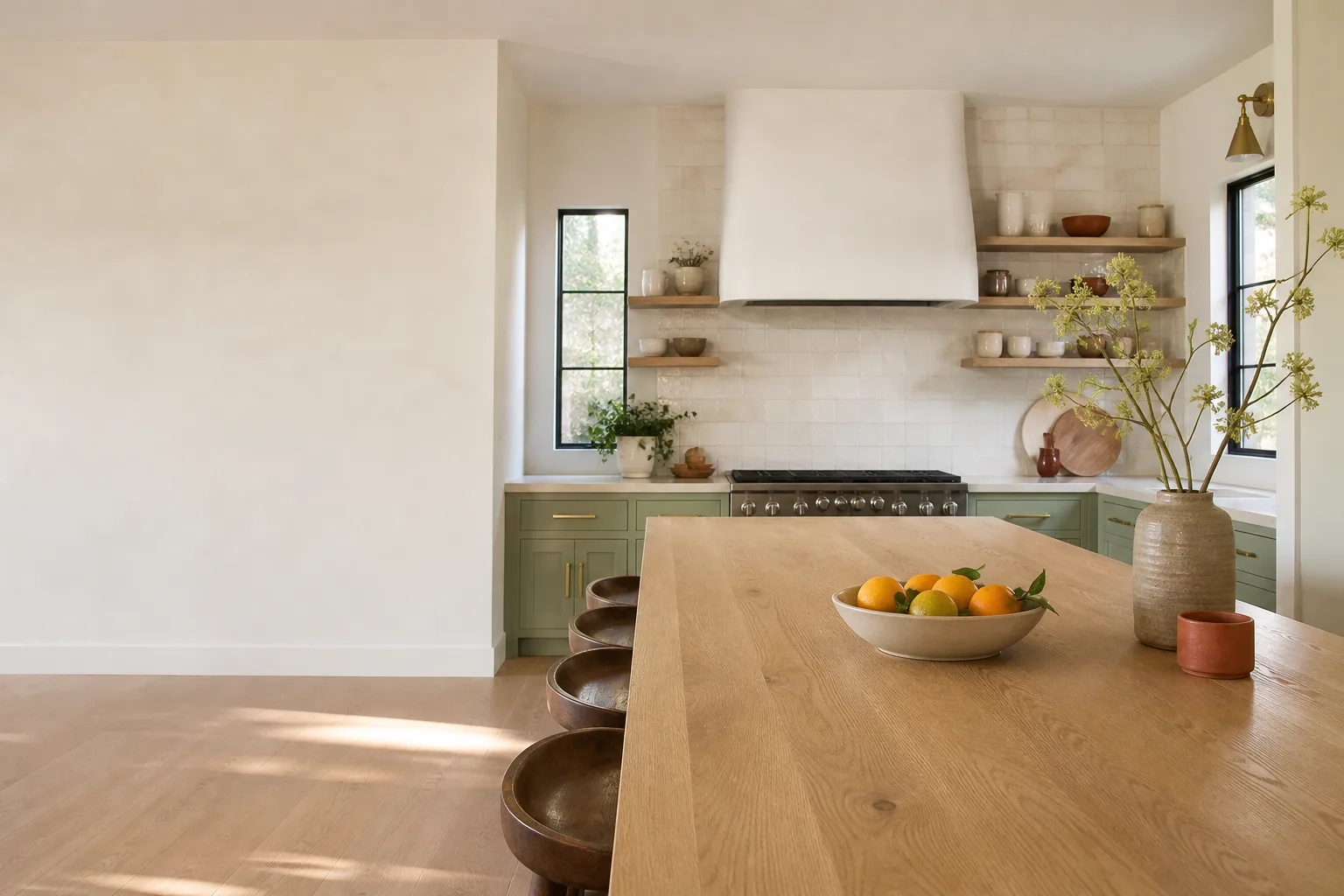
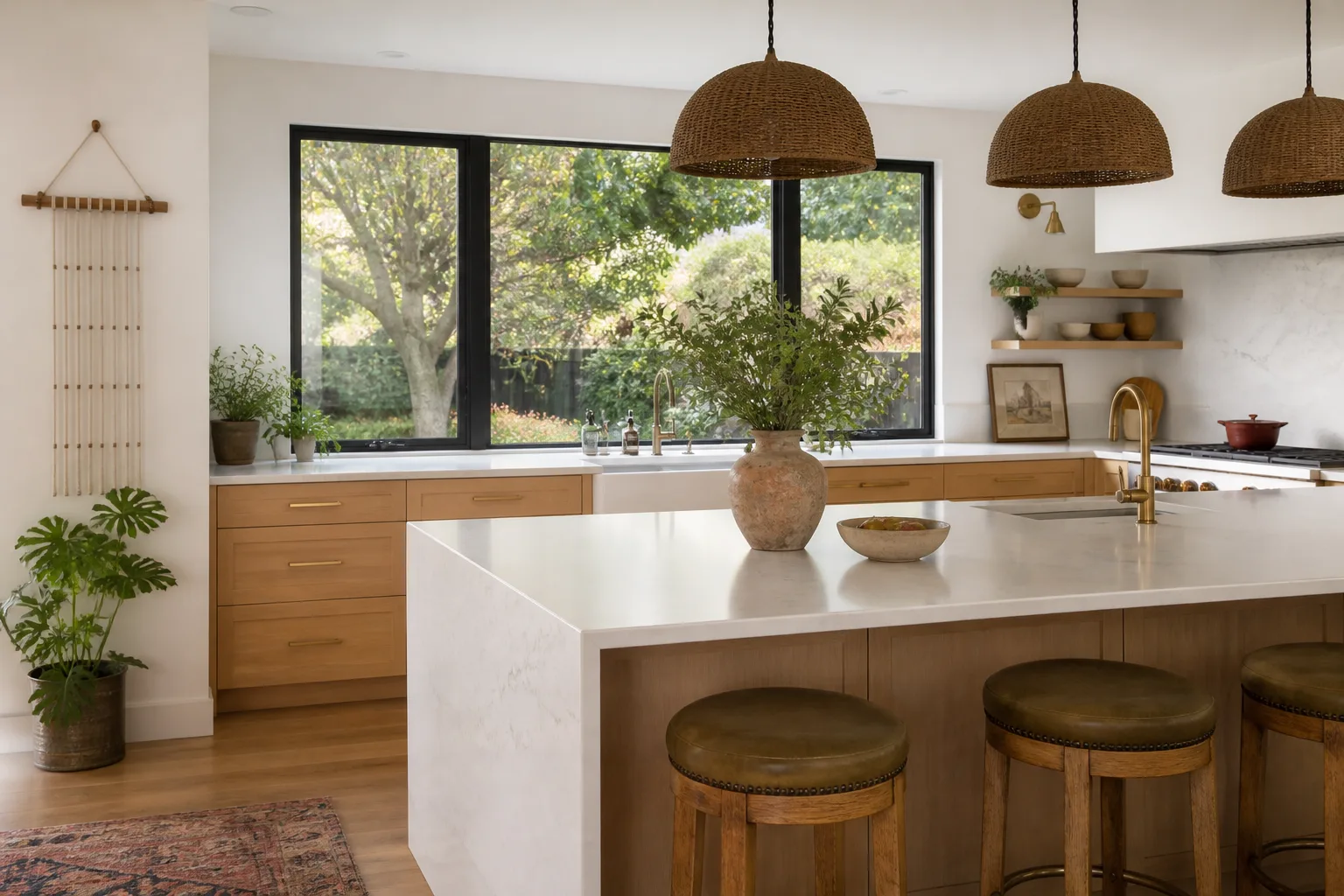
Cambria kitchen remodeling in Houston typically runs $14,000 to $45,000 for a full project, with Cambria countertop installation alone landing between $2,000 and $6,500 depending on slab size and edge profile. If you have a Cambria surface that’s chipped, cracked, delaminating at a seam, or a section that’s pulling away from the cabinet deck, we can usually assess it and schedule the repair or replacement within days, not weeks. Most Houston homeowners discover a failed Cambria installation the same way: a hairline crack radiating from the sink cutout, a dull spot that won’t polish back, or a seam that’s opened up enough to catch a fingernail.
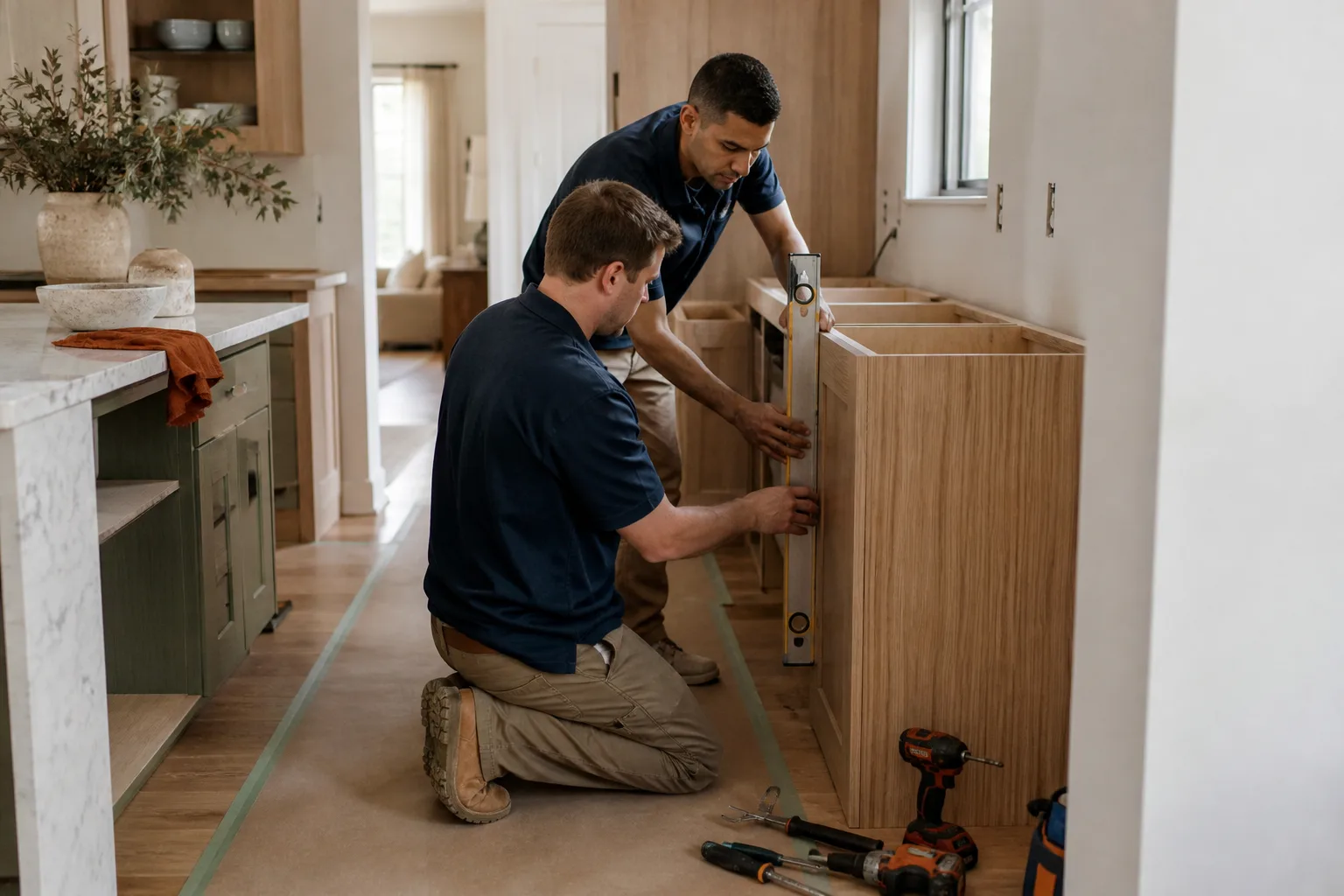
What we’ve learned from years of Cambria work in the Houston area is that the countertop itself almost never fails on its own. It’s almost always what’s underneath it: a cabinet that settled, a moisture-swollen substrate, or an original install that skipped the proper support rails. Before any replacement happens, we check what the Cambria is sitting on, because replacing the surface without fixing the support means you’ll be calling again in two years. That’s the kind of thing Graham Stein insists on flagging during the estimate, because a written price and a covered floor before any work begins – that is where the trust starts.
We’re an independent Houston remodeling contractor, not a Cambria dealer or affiliate. That matters because we’re not tied to any one manufacturer’s sales target. Our job is to tell you honestly whether the right move is a repair, a targeted section replacement, or a full kitchen remodel that accounts for the Cambria surface properly this time.
Which Cambria Models This Applies To
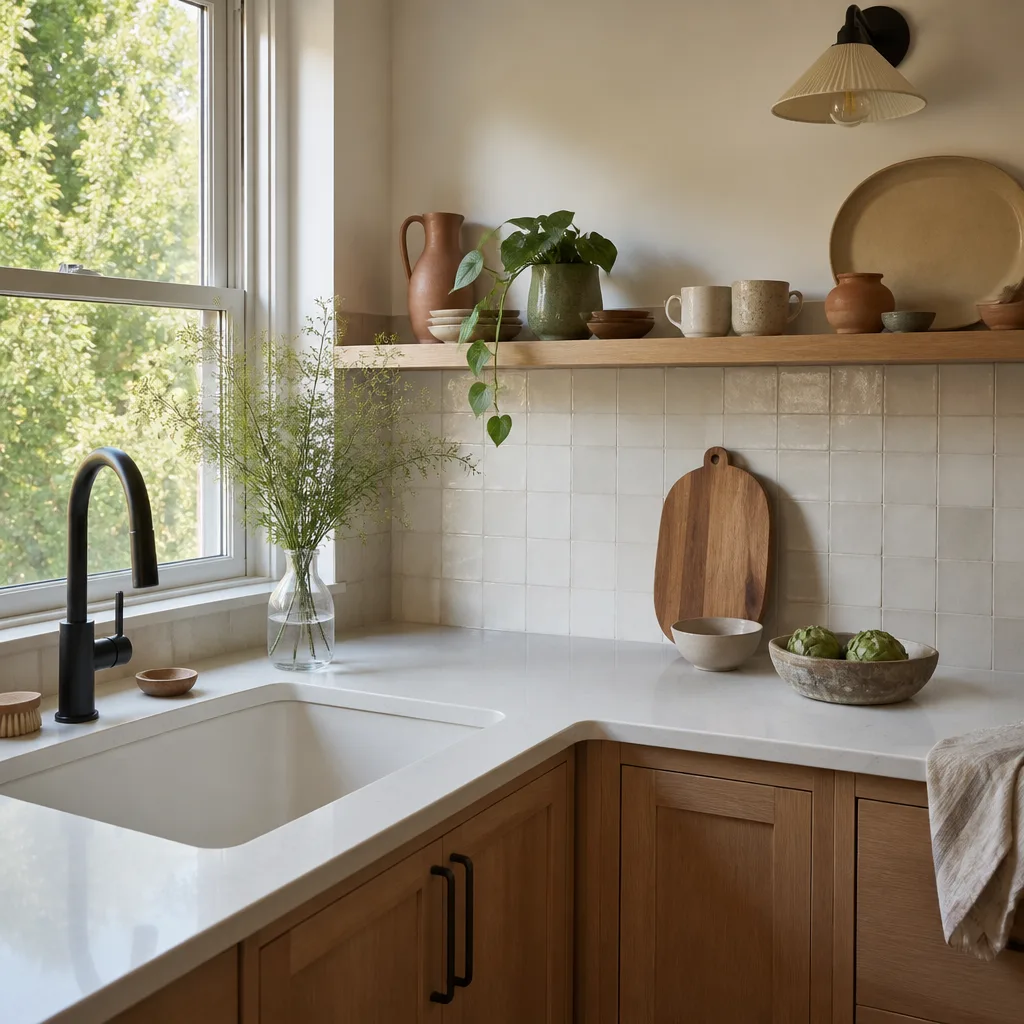
Cambria quartz surfaces come in dozens of design collections – Brittanicca, Torquay, Summerhill, Ella, and the newer Inverness and Whitby lines are the ones we see most often in Houston kitchens. The good news is that the installation and repair principles are consistent across all of them because Cambria is a non-porous engineered quartz with a specific density and weight profile – roughly 2.3 grams per cubic centimeter, which matters when you’re sizing cabinet support.
The compatibility gotcha most Houston homeowners don’t know: Cambria slabs come in jumbo format (up to 132 inches by 65.5 inches for newer lines), which means seams can often be avoided entirely on a standard 10-foot Houston kitchen island if the fabricator plans the layout right. If you’re seeing a seam in the middle of a 9-foot island, that’s a fabrication choice, not a product limitation. A second gotcha: Cambria requires polyester-based color-matched adhesive at seams, not the epoxy some installers default to. Epoxy seams on Cambria yellow over time under Texas UV exposure, especially near windows. We stock the right adhesive on our trucks so we’re not doing a second trip.
For identification, flip your fabrication paperwork if you have it – the slab lot number and design name are on there. No paperwork? Look under the sink cutout with a flashlight. Fabricators often write the design name and lot number in grease pencil under the rim. If you can’t find it, a photo of the surface pattern sent to us gets matched against Cambria’s current and discontinued design catalog, and we’ll confirm the model before any cutting happens.
Styles & brands we work with







Signs Your Cambria Kitchen Remodeling Is Failing
- A hairline crack running from the sink cutout toward the front edge. This is the most common Cambria failure we see in Houston kitchens. The cause is almost always insufficient support rail spacing or a cabinet that shifted after a foundation event – and Houston soil movement makes this more common here than in most markets.
- A seam that’s opened up enough to catch a fingernail or trap food. Quartz seams need a gap of about 1/16 inch for adhesive, but when the gap widens to 1/8 inch or more, the substrate underneath is moving. Re-gluing the seam without checking cabinet level means the same seam fails again.
- A dull, cloudy patch that won’t polish back with quartz cleaner. Cambria’s surface won’t etch from lemon juice or vinegar like marble will, but aggressive alkaline cleaners or abrasive pads can wear the factory finish. Once the finish is worn, it needs professional resurfacing – no household product brings it back.
- The countertop is pulling up from the cabinet deck at the corners. This means the original adhesive bed has failed, usually because the installer skimped on silicone or used a product not rated for quartz’s weight. Left alone, the slab can crack from uneven support.
- Water staining at the backsplash joint on a daily basis. Cambria is non-porous, so this is almost never the surface absorbing water. It’s the joint between countertop and backsplash failing, often because the installer used painter’s caulk instead of a color-matched 100% silicone designed for stone.
See the difference
 Before
 After
After Before
 After
After Before
 After
AfterReplacement Cost & What’s Included
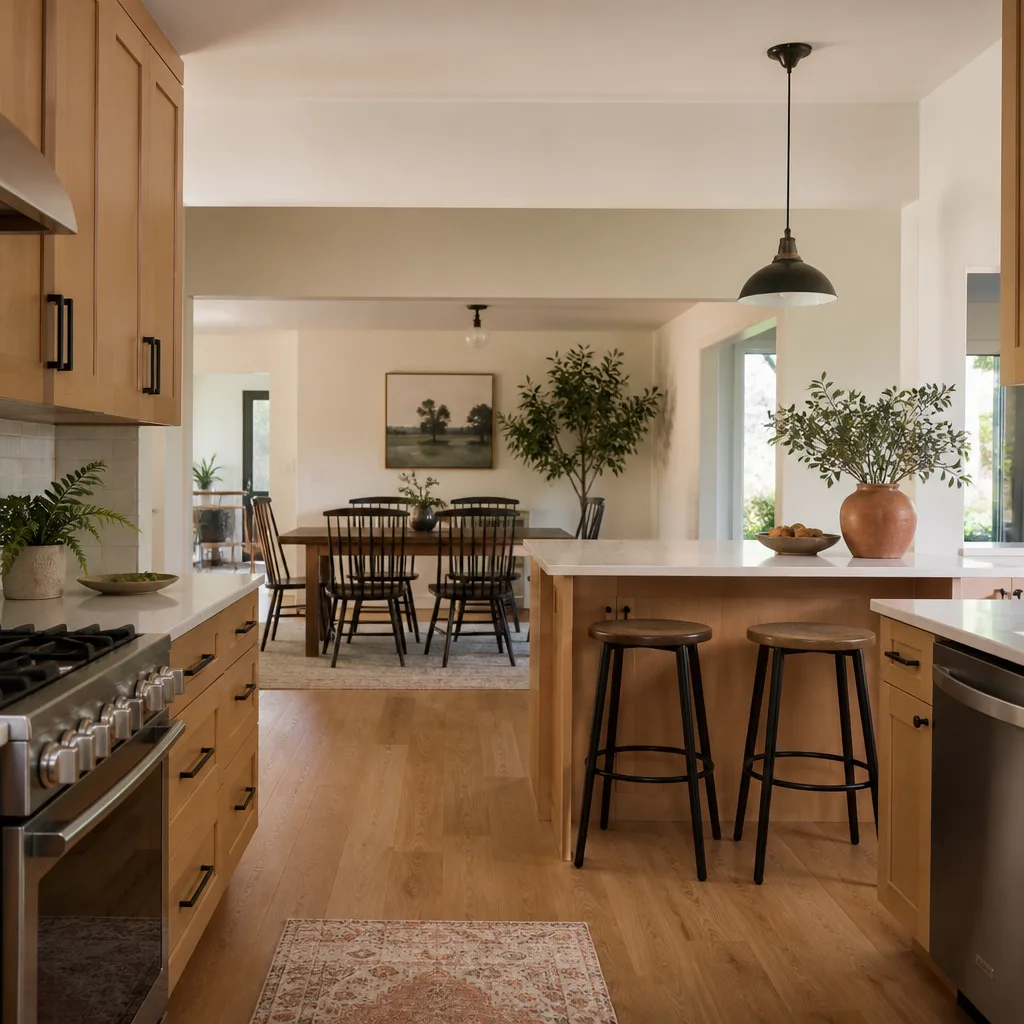
In Houston, here’s what you should expect to pay for Cambria-specific kitchen work, based on what we quote and install across the metro area:
- Cambria countertop replacement (full kitchen): $2,000 – $6,500
- Cambria seam repair or re-gluing: $400 – $1,200
- Cambria crack repair with substrate fix: $800 – $2,500
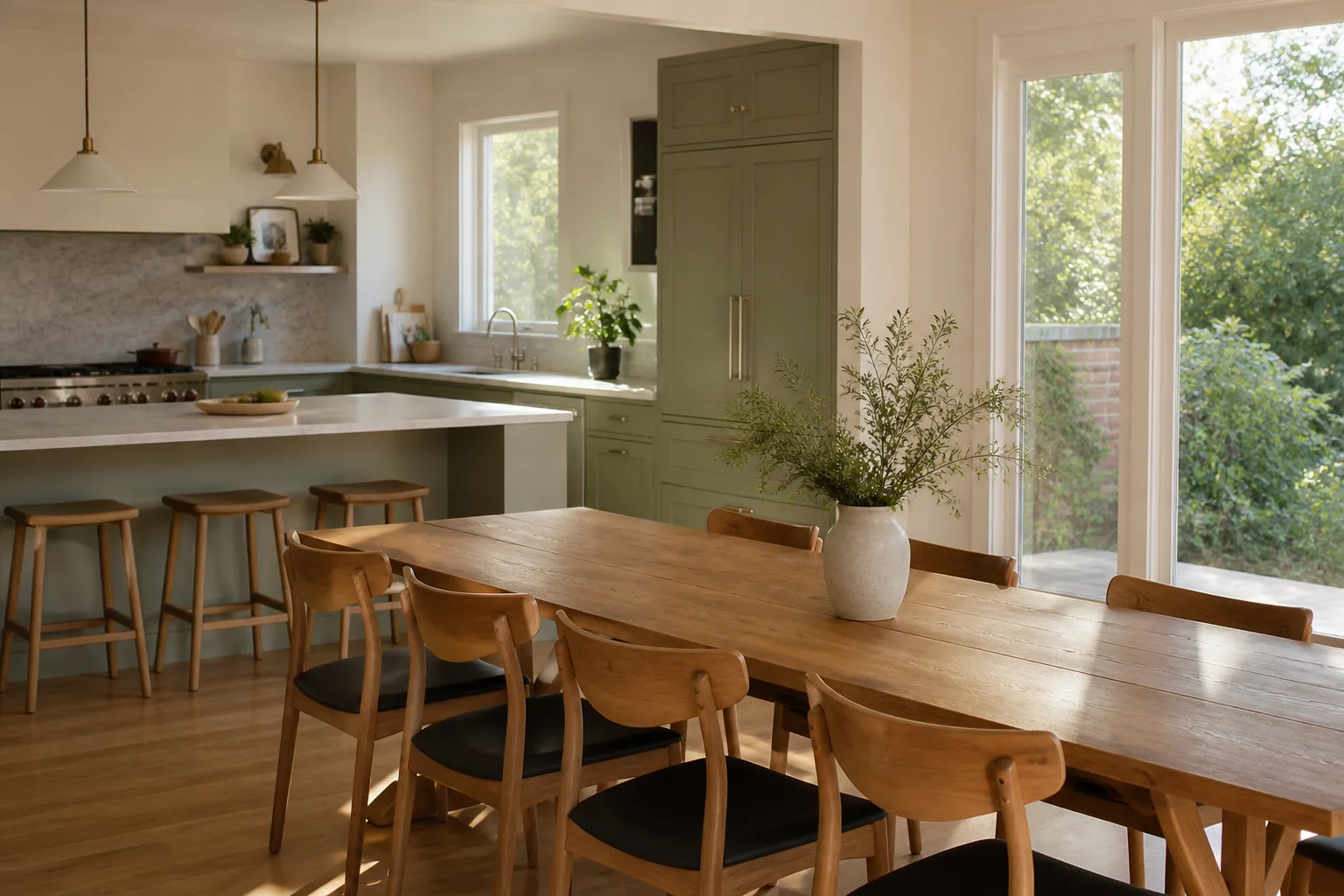
- Full kitchen remodel including Cambria tops: $14,000 – $45,000
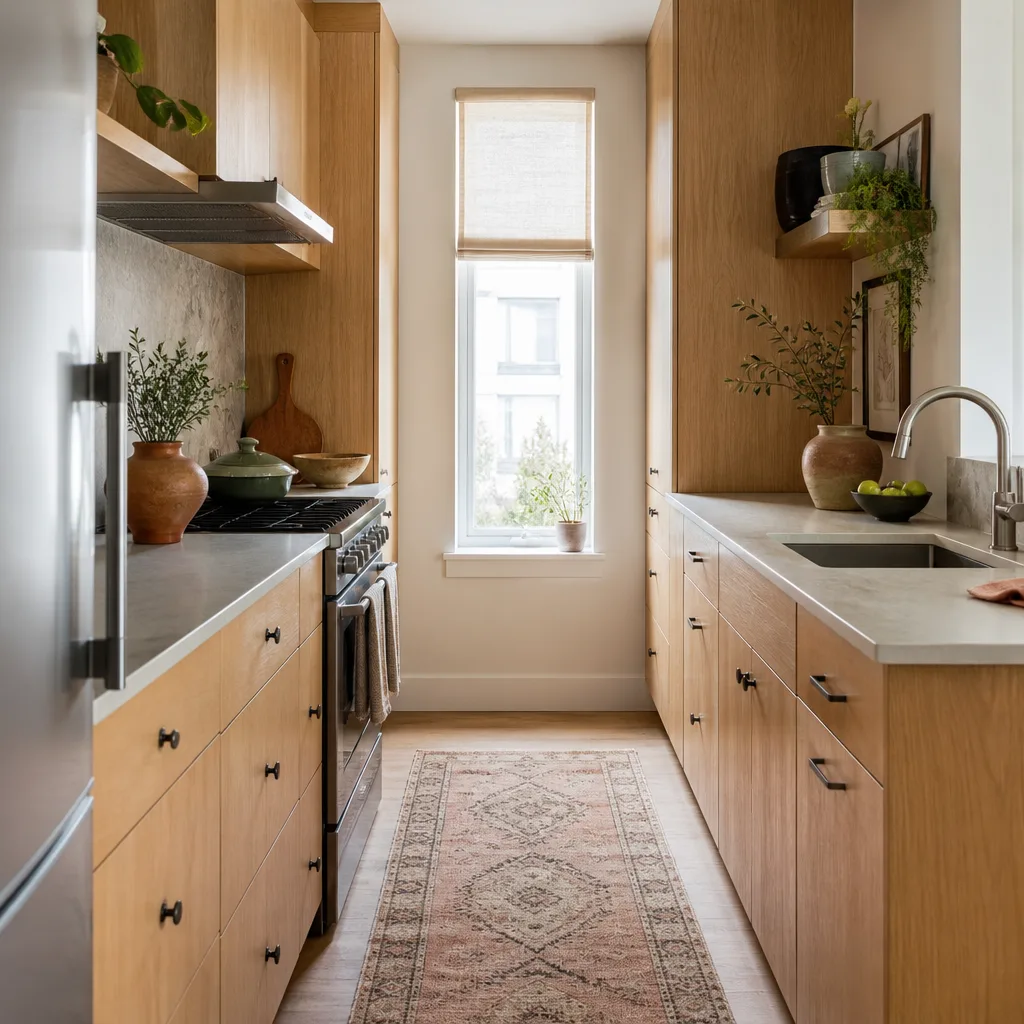
- Small kitchen remodel with Cambria (galley/condo): $9,000 – $20,000
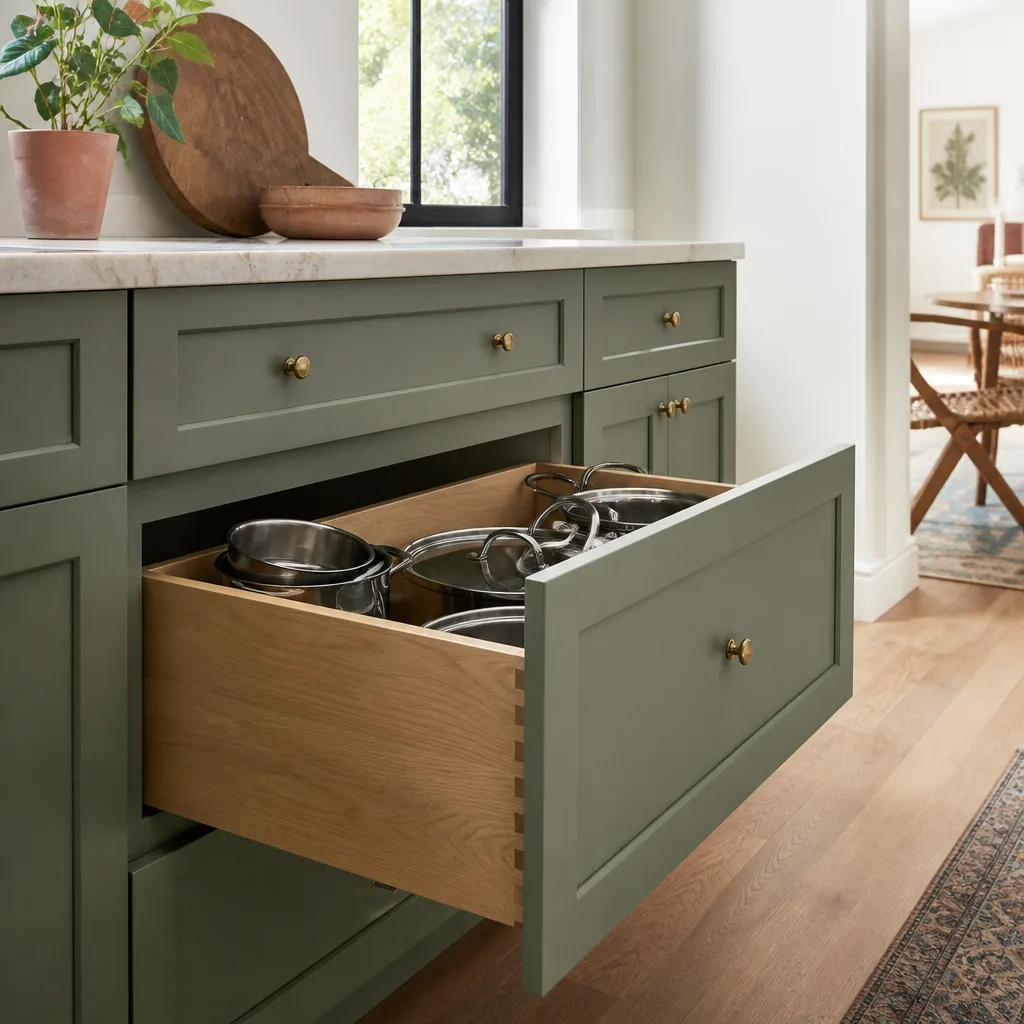
- Cabinet installation or replacement (support work for Cambria): $4,000 – $13,000
- Kitchen island installation with Cambria top: $3,000 – $10,000
What drives the range in Houston specifically: slab square footage, edge profile complexity (a waterfall edge adds fabrication time), whether existing cabinets need reinforcement, and whether the sink is undermount or drop-in. Every quote we write includes the part cost, fabrication, demolition of the old surface, installation, seam adhesive, color-matched silicone, and full cleanup with shoe covers and drop cloths throughout. The written price we give before any work starts is the price you pay – no change orders because a crew “found something.” If the substrate is compromised, we flag it during the estimate walkthrough, not after demo begins. Our 365-Day Done Right Promise covers the entire install: if a seam opens, a crack forms from our workmanship, or the surface shifts, we make it right within the year, no fine-print gymnastics.
DIY or Call Us?
If your Cambria issue is a foggy cleaner residue or food stuck in a seam, you can handle that yourself: a pH-neutral quartz cleaner and a soft cloth resolve most surface issues. A plastic razor blade – not a metal one – can gently clear a seam. Beyond that, honest truth: quartz repair is not a DIY project. Cutting and polishing engineered stone requires diamond tooling and water feed, and the dust from dry-cutting quartz is a respiratory hazard. Trying to glue a moving seam yourself with hardware store adhesive makes the eventual professional repair more expensive, because we have to remove the failed DIY adhesive before the real work starts. If the slab is cracked near a cooktop or sink, water is getting under it right now, and the cost of wait-and-see is cabinet damage and mold. Call (254) 272-5240 and we’ll come look. The estimate is free, and we’ll tell you straight if the fix is simple or if it’s time to plan a fuller remodel.
FAQs
A properly installed Cambria surface should last 20 to 30 years in a Houston kitchen. What shortens that lifespan here is the combination of clay soil movement and humidity swings, which stress the substrate and seams more than the quartz itself. The surface doesn’t wear out – what fails is what sits underneath it.
Yes, in many cases a crack can be color-matched with a polyester resin repair that is nearly invisible and structurally sound, provided the underlying cabinet support is fixed first. The repair holds up well for hairline cracks and small chips. If the crack runs more than about 8 inches or through the sink cutout, replacement is usually the smarter long-term money. Call (254) 272-5240 and we’ll give you an honest read.
Template to installed is usually 5 to 10 business days on Cambria replacement work. Templating takes about an hour in your kitchen, fabrication runs 3 to 5 days depending on the edge detail, and installation day is typically 4 to 6 hours including disconnect and reconnect of the sink and cooktop. We coordinate a plumber for the sink hookup so you’re not managing three vendors.
We order Cambria per project from the Houston distribution yard rather than stocking full slabs, because each design has dozens of current options and ordering to spec eliminates dye-lot mismatches. For seam repairs and crack work, we stock the adhesives, colorants, and polishing compounds on our trucks for the Cambria lines we service most in Houston: Brittanicca, Torquay, Summerhill, and Ella. If we also install KraftMaid, Silestone, or Kohler components in your remodel, those are ordered by name and spec the same way, so warranties track cleanly.
If your Cambria kitchen surface is showing any of the signs above – a crack, a gap, a dull patch, or a seam catching every crumb – call (254) 272-5240 to schedule a free estimate. We’ll send someone who measures, looks underneath, and gives you a written price before anything gets scheduled. No pressure, no vague talk. Just a straight answer about what your Cambria needs in Houston.
Written by Graham Stein, Owner, Elmstead Remodeling Houston at Elmstead Remodeling Houston, serving Houston and nearby areas.


