
Free written scope consultation - allowances, timeline, and change-order rules on paper before a single trade is scheduled
Atlas Home Additions & ADU: The Houston Owner’s Guide
For an Atlas home addition or ADU project in Houston, you’re looking at an installed range of $45,000 to $130,000 as the most common scope for a room addition, with detached ADU construction running $90,000 to $220,000 depending on size, utility connections, and foundation work. We carry and install the Atlas hardware, framing systems, and finishing components that match these structures, and we can typically get a written price to you within a couple of business days of walking the site. Most Houston owners don’t call about a single “failed part” in an Atlas addition; they call because they’ve noticed a door that no longer closes square, a floor that dips near an exterior wall, or a ceiling hairline crack that has started to widen in the summer humidity. Those are the quiet signals that something in the original framing, flashing, or connection detail is asking for attention.
One thing to know right away: Elmstead Remodeling Houston is an independent remodeling contractor, not affiliated with Atlas. We work on Atlas-built additions and ADUs because we know how their framing packages and window rough openings are spec’d, and because we stock the compatible replacement components. Graham Stein grew up in Los Angeles and learned the trade at Los Angeles Trade-Technical College before running crews across Southern California, and in his years working on Houston homes from Meyerland to the Energy Corridor, he has seen what the local soil and humidity do to addition foundations and wall assemblies. A written price and a covered floor before any work begins, that is where the trust starts.
Which Atlas Models This Applies To
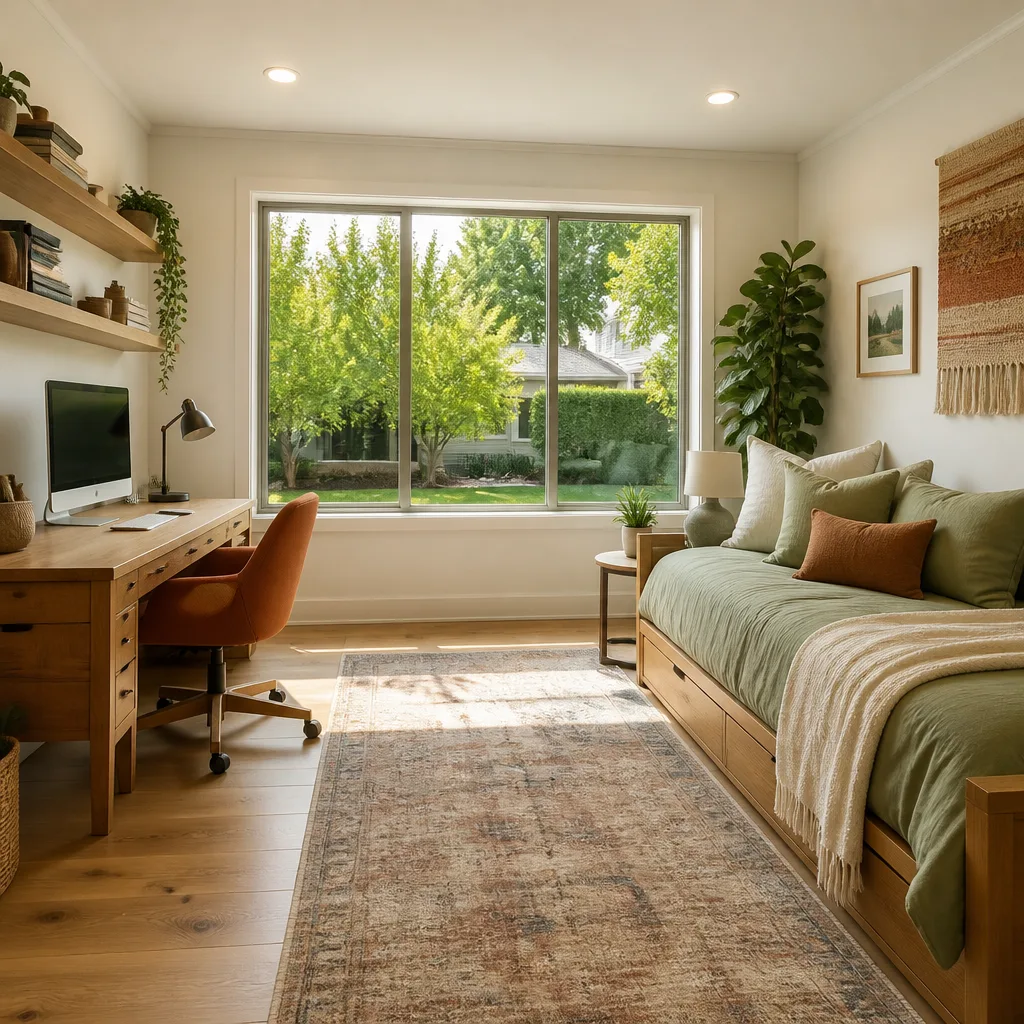
Atlas home additions and ADUs in the Houston market generally fall into three categories: stick-built room additions tied into the original roofline, prefabricated wall-panel additions, and detached ADU kits built on slab or pier-and-beam foundations. The compatibility question that matters to us on a service call is not the model name stamped on a label; it is the actual framing dimension and the connection hardware at the tie-in points. We look for the manufacturer tag on the main beam or corner post, usually a small metal plate or printed sticker with a series code and the rough-opening callouts.
The gotcha we see most often in Houston: an Atlas addition built with a 16-inch on-center wall panel but a floor system spec’d for a drier climate. Houston’s humidity cycle, wet May and June followed by dry July and August, causes the sill plate at the foundation line to swell and shrink. If the original sill gasket or termite shield was skipped or degraded, that plate starts to soften. The fix is not a shim under a door; it is pulling the bottom course of sheathing, replacing the sill plate with pressure-treated stock, and resetting the anchor bolts. We keep standard Atlas-compatible anchor kits, joist hangers, and sill sealer on the truck for exactly this. For OEM versus aftermarket: the original Atlas branded hardware is fine, but quality aftermarket equivalents from Simpson Strong-Tie and MiTek match or exceed the original spec at a lower parts cost, and we are careful to tell you which is which on the written estimate.
Styles & brands we work with







Signs Your Atlas Home Additions & ADU Is Failing
- Interior doors that stick or no longer latch in August. When Houston’s humidity peaks, wood framing swells. If the addition was framed too tight to the header or the door opening was not given proper clearance, the slab and jamb bind. It is usually a clearance correction at the hinge or strike side, not a new door.
- Floor that feels springy or dips near an exterior wall. This is often the rim joist or the sill plate at the foundation, softened by moisture wicking up from the slab edge. On pier-and-beam ADUs, the piers may have settled unevenly. We check with a level and a moisture meter before proposing anything.
- Hairline cracks in the ceiling drywall that grow wider during a dry spell. Houston’s clay soil shrinks in drought and swells in rain. An addition or ADU on a slab will move with it, and drywall cracks at the room-to-addition transition point are the first visible evidence. If the crack reopens after a tape-and-mud repair, the cause is movement, not the patch.
- Musty smell near the lowest point of the floor with no visible leak. That is usually moisture trapped under a vapor barrier failure or wicking through a compromised sill. In Houston, a musty addition in July is a moisture problem, not a mystery.
- Visible gap opening between the addition and the original house at the roof tie-in. This is the one to not ignore. The flashing at the transition failed or was never properly lapped, and now water is getting into the wall cavity during heavy rain. That is a repair, not a symptom to watch.
See the difference
 Before
 After
After Before
 After
After Before
 After
AfterReplacement Cost & What’s Included
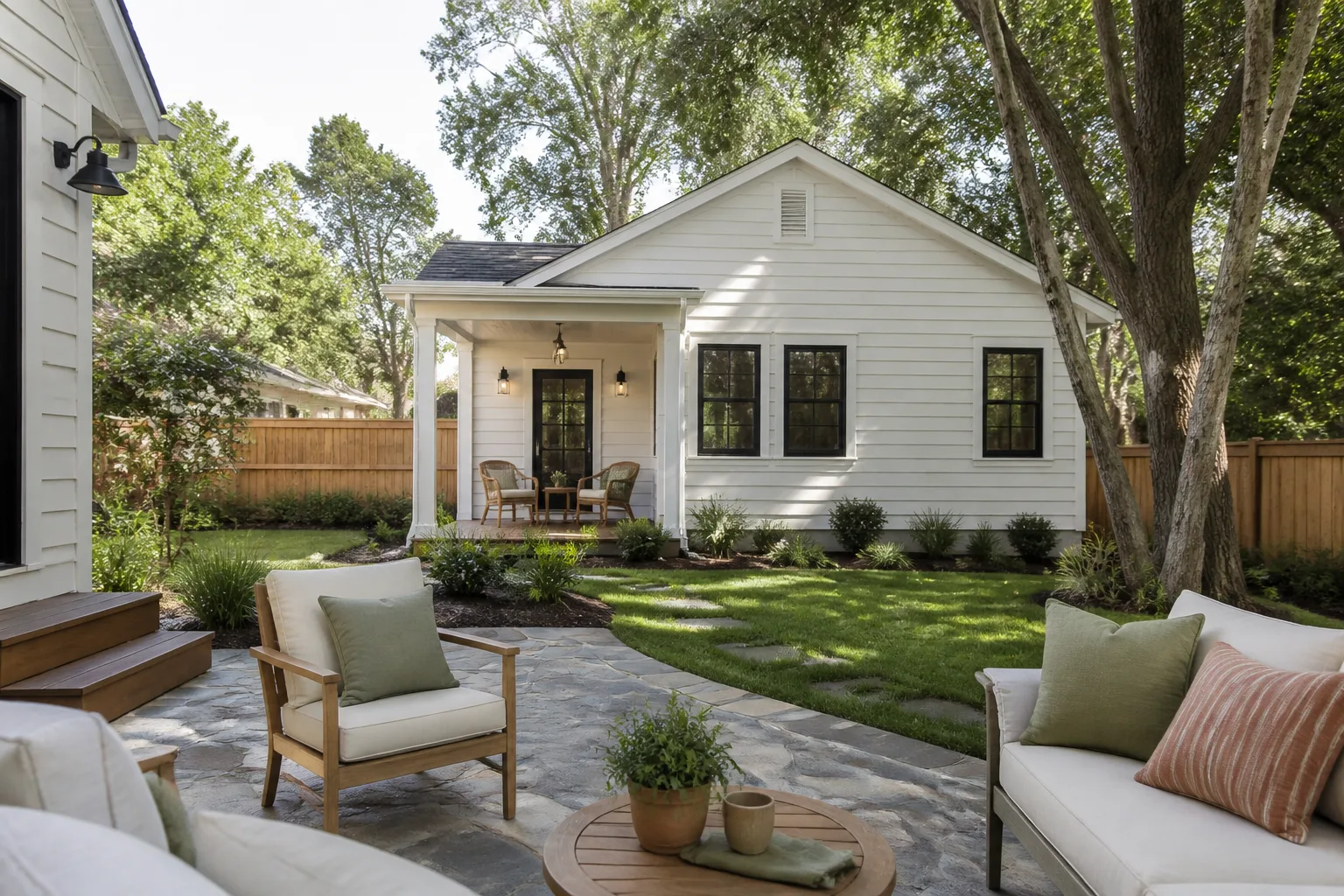
For an Atlas home addition or ADU repair in Houston, the price depends on what failed. Here is what we quote against:
- Room addition (full scope, tied to existing structure): $45,000 – $130,000
- Detached ADU construction: $90,000 – $220,000
- Garage conversion: $30,000 – $80,000
- Targeted repair work (sill plate replacement, flashing correction, tie-in rebuild): typically 10 – 20% of the original structure value, scoped in writing before work starts
The range is driven by foundation type, the condition of the existing framing, whether utilities need to be re-pulled, and how much of the original finish work has to come apart to reach the failed component. Every estimate is line-itemed, so you can see the parts and labor separately. The written price you get before we start is the price you pay, including the clean-up. We put drop cloths down before cutting, wear shoe covers at the door, and take a photo of the finished clean-up before the crew leaves. The 365-Day Done Right Promise covers the repair: if it is not done right, we make it right.
DIY or Call Us?
For an Atlas addition or ADU, the parts a homeowner can safely check are limited to the visible ones: the door clearances, the caulk joints at window edges, the grading at the foundation (soil should slope away, not back toward the sill). You can note the symptoms and take photos. What you should not do is cut into a wall assembly that carries roof load, remove anchor bolts, or attempt to jack up a settled corner of an addition. Framing and foundation work is structural. A wrong cut into a load-bearing wall in an occupied home is not a weekend project; it is a safety event. If you see the tie-in gap or a dipping floor, call us at (254) 272-5240. We will scope it, put the written price in your hand, and tell you honestly if the repair is urgent or if it can wait a season.
FAQs
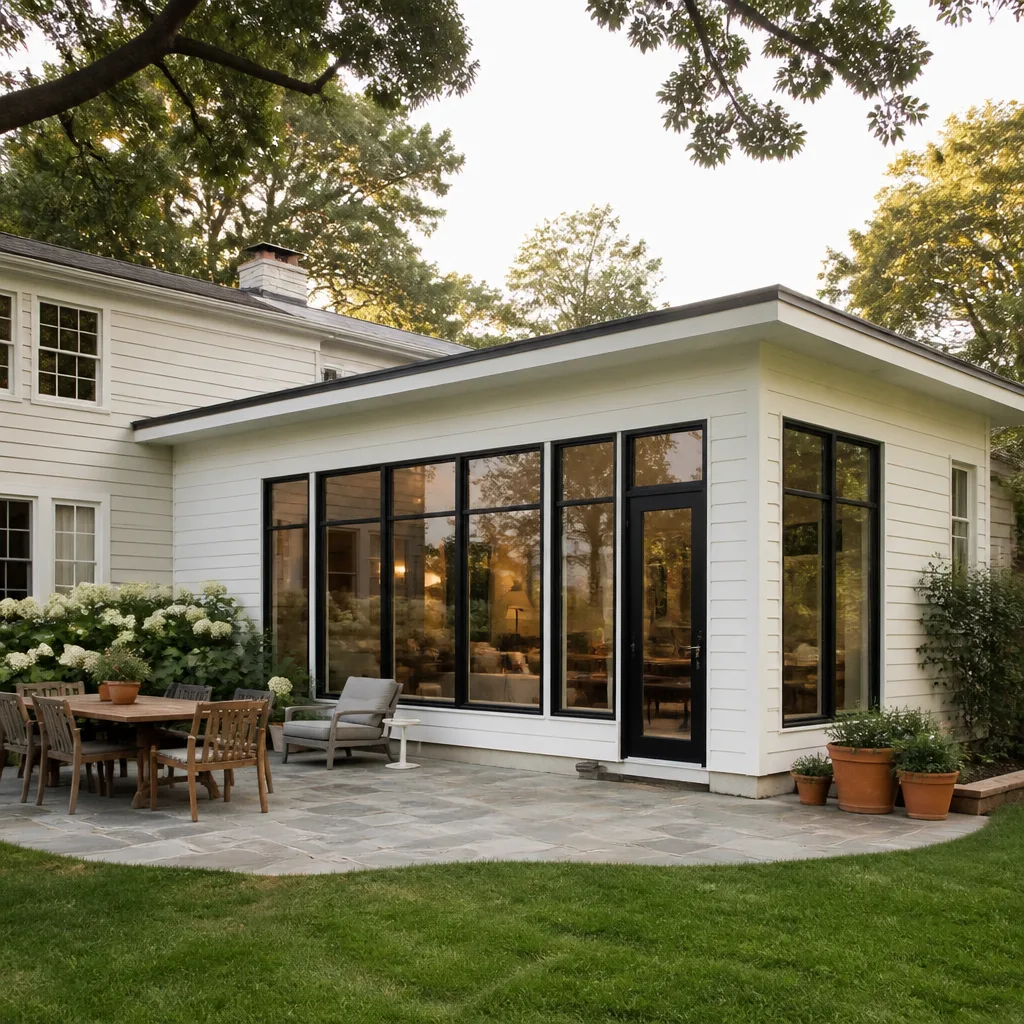
With correct initial flashing, a pressure-treated sill plate, and proper grading, the structural shell of an Atlas addition should last 50 years or more. The weak points in Houston are the sill plate and the roof tie-in, both of which fail from water before the framing itself gives out. If you catch those early, the addition holds up.
Yes, in most cases. A failing sill plate, a failed flashing transition, or a settling pier can be repaired without tearing down the addition. The exception is widespread termite damage or rot that has moved into the studs and top plates; at that point, a partial rebuild is cheaper and safer than patching. Call (254) 272-5240 and we can tell you which situation you have.
Most targeted repairs, like a sill plate replacement or a roof tie-in flashing rebuild, take two to four working days. A full resupport of a sagging floor or a foundation correction can run a week or two depending on drying time and mortar or concrete cure. We schedule around your family’s routine, keep quiet tools during rest hours where possible, and give you a written schedule before any work starts.
We keep the common Atlas-compatible items on the truck: anchor bolts, sill sealer, pressure-treated sill plate stock, joist hangers, and flashing materials rated for Houston’s rain. For specialized components like Atlas wall-panel connectors or specific rough-opening hardware, we source them to order and price them on the written estimate before anything is installed.
If you own an Atlas addition or ADU in Houston and something does not feel right, call us at (254) 272-5240. We will walk the site, hand you a written price, and treat the house like a home, with the floors covered and the cleanup photographed before we leave. You can also ask about matching components for KraftMaid, Cambria, or Silestone finishes if your project involves those brands.
Written by Graham Stein, Owner, Elmstead Remodeling Houston at Elmstead Remodeling Houston, serving Houston and nearby areas.


