





Free written scope consultation - allowances, timeline, and change-order rules on paper before a single trade is scheduled
CGI Home Additions & ADU: The Houston Owner’s Guide
We build CGI-style home additions and ADUs in Houston for $45,000 to $130,000 installed, depending on square footage, foundation work, and finish level. Most Houston homeowners call us when a previous addition has failed at the tie-in point – the seam where new framing meets the existing exterior wall – or when a detached ADU has developed moisture problems at the sill plate. If you have a CGI product line addition that is pulling away, leaking at the roofline junction, or showing floor sag at the connection point, this page is written for exactly what you are dealing with.
We’re Elmstead Remodeling Houston, a Cedarwell company, and we are an independent contractor – not affiliated with CGI. What that means for you: we specify and install CGI-compatible framing, flashing, and tie-in materials based on what actually holds up in Houston’s humidity and clay soil, not on a sales agreement with any manufacturer. Graham Stein, our owner, has seen enough failed additions in Meyerland and the Energy Corridor to know that the connection between old and new is where the whole project lives or dies.
Which CGI Models This Applies To
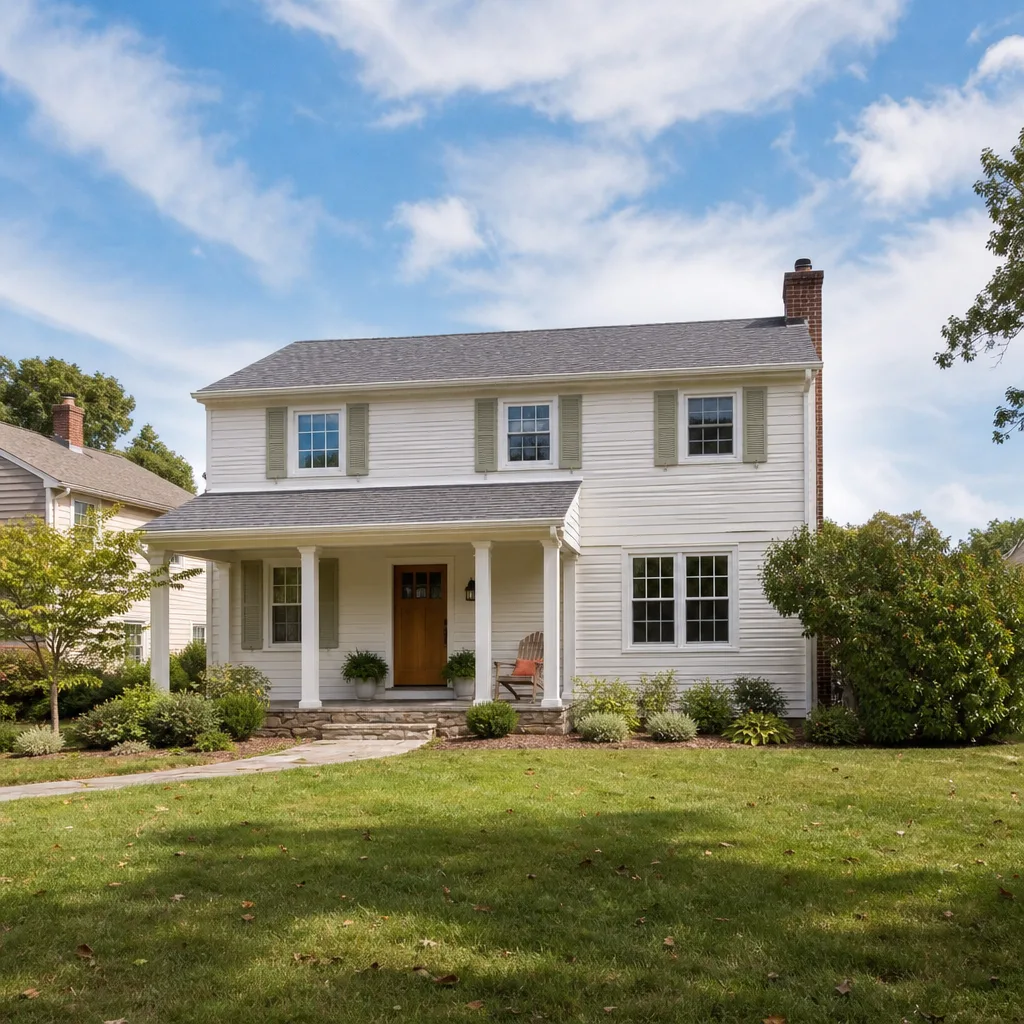
CGI home additions typically fall into two categories: room additions tied directly to the existing structure and detached ADUs built as standalone units. The compatibility question is less about a specific CGI model number and more about the tie-in method used at the original build. Most CGI additions in Houston use either a ledger-board connection at the roofline or a slab-on-grade foundation with a cold joint at the existing footing. Both have predictable failure modes in our climate.
To identify what you have, check the permit paperwork from the original build or look for a metal tag on the main beam at the addition’s exterior corner. If there is no tag, measure the floor joists: older CGI additions commonly used 2×8 joists at 16-inch centers, while newer builds spec 2×10 at 12-inch centers for longer spans. The aftermarket question matters here – OEM CGI flashing and ledger hardware is still available through specialty suppliers, but quality aftermarket equivalents from Simpson Strong-Tie and MiTek meet or exceed the original spec for about 20% less. We stock both on the truck when a tie-in repair is on the schedule.
Styles & brands we work with







Signs Your CGI Home Additions & ADU Is Failing
- Separation at the roofline junction: A gap opens where the addition’s roof meets the main house. This is almost always ledger-board rotation or rusted fasteners, and Houston’s summer storms make it worse every season it goes unaddressed.
- Doors that stick or bind inside the addition: The slab or pier foundation is moving at a different rate than the main structure. Houston’s clay soil expands and contracts dramatically through wet and dry cycles, and the cold joint at the old footing is the first place that movement shows up.
- Drywall cracks at the ceiling corners of the connection wall: This means the addition’s framing is transferring load differently than it did at original construction. It often appears within the first three years but is fixable with proper blocking and strapping.
- Musty smell or visible staining at the base of the addition’s exterior walls: Water is wicking up through the sill plate or the flashing at the foundation line has failed. In Houston, this is a year-round risk, not just a rainy-season problem.
- Squeaking floors concentrated near the tie-in point: The subfloor fasteners have loosened as the addition’s framing has moved. It is not a structural emergency by itself, but it tells you the connection is working harder than it should be.
See the difference
 Before
 After
After Before
 After
After Before
 After
AfterReplacement Cost & What’s Included
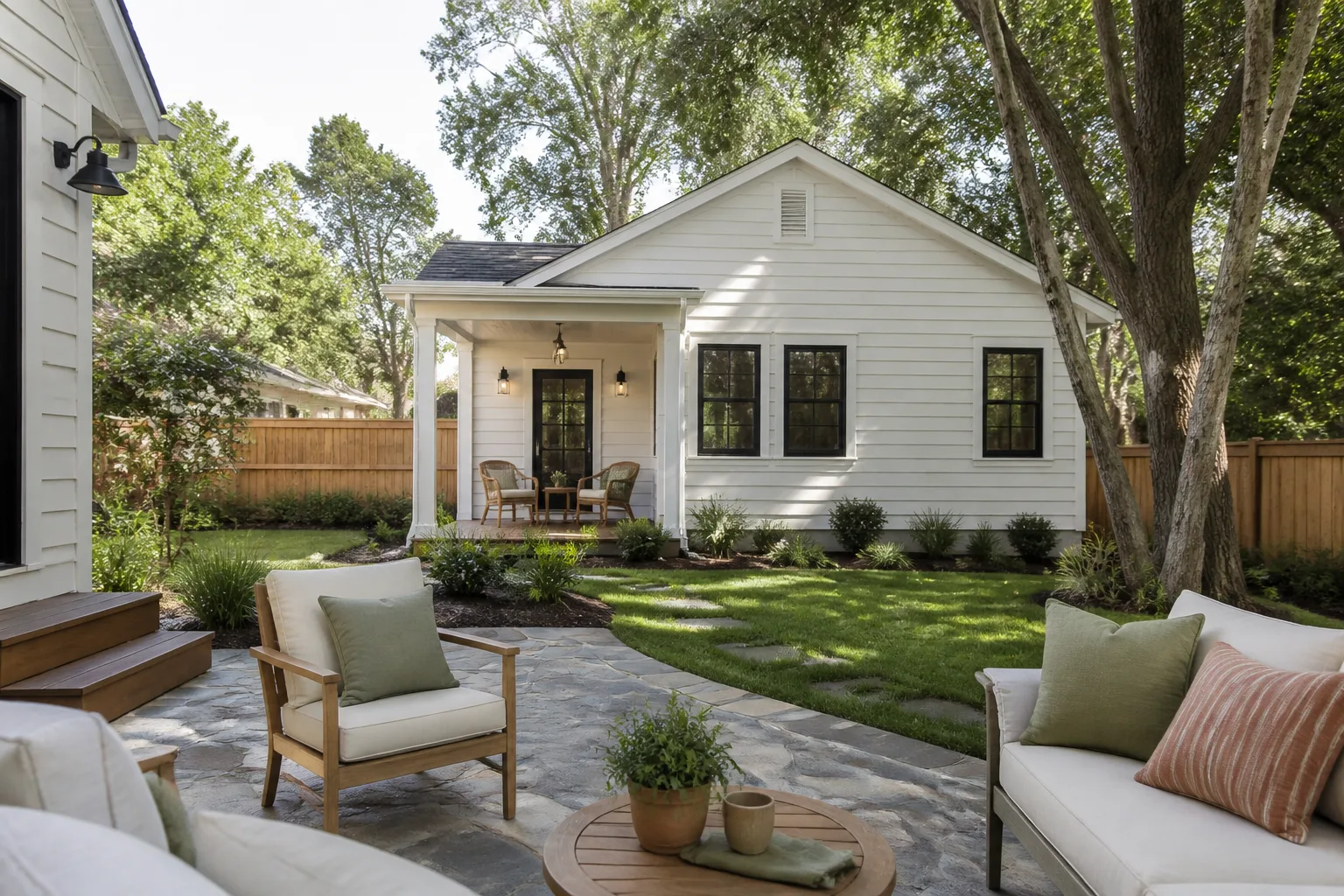
For a CGI addition or ADU rebuild in Houston, plan on $45,000 to $130,000. The range is driven by three things: whether we are repairing a tie-in on an existing structure or building new from the slab up, how much foundation correction the soil conditions require, and what finish level you want inside – cabinets from KraftMaid or Wellborn, countertops from Cambria or Silestone, and fixtures from Kohler or Moen all land differently on a written price.
Every project gets a written price before any work starts. No estimates that grow after the crew arrives. The number includes all framing, flashing, weatherproofing at the tie-in line, drywall, paint, and finish carpentry, plus the haul-away of any failed material we remove. Our work carries the 365-Day Done Right Promise: if it is not done right after the job is complete, we make it right. We also pull permits and stand behind every inspection on the project.
DIY or Call Us?
If you notice a gap at the roofline or sticking doors, you can safely do three things before calling anyone: photograph the separation at the connection point so you can track changes over a week, check that gutters are not dumping water directly at the addition’s foundation line, and note whether the problem gets worse after rain. Those observations help us diagnose faster when you call.
What you should not do is attempt to pull the addition back into alignment yourself. Framing under tension, ledger boards with rusted fasteners, and foundation movement are all areas where a wrong guess turns a $4,000 tie-in repair into a $45,000 rebuild. High-tension work like this belongs in the hands of a trained professional. We are that team for Houston families. Call (254) 272-5240 and we will schedule a time to look, talk through what is actually happening, and put a written price in front of you before a single tool comes out of the truck.
FAQs
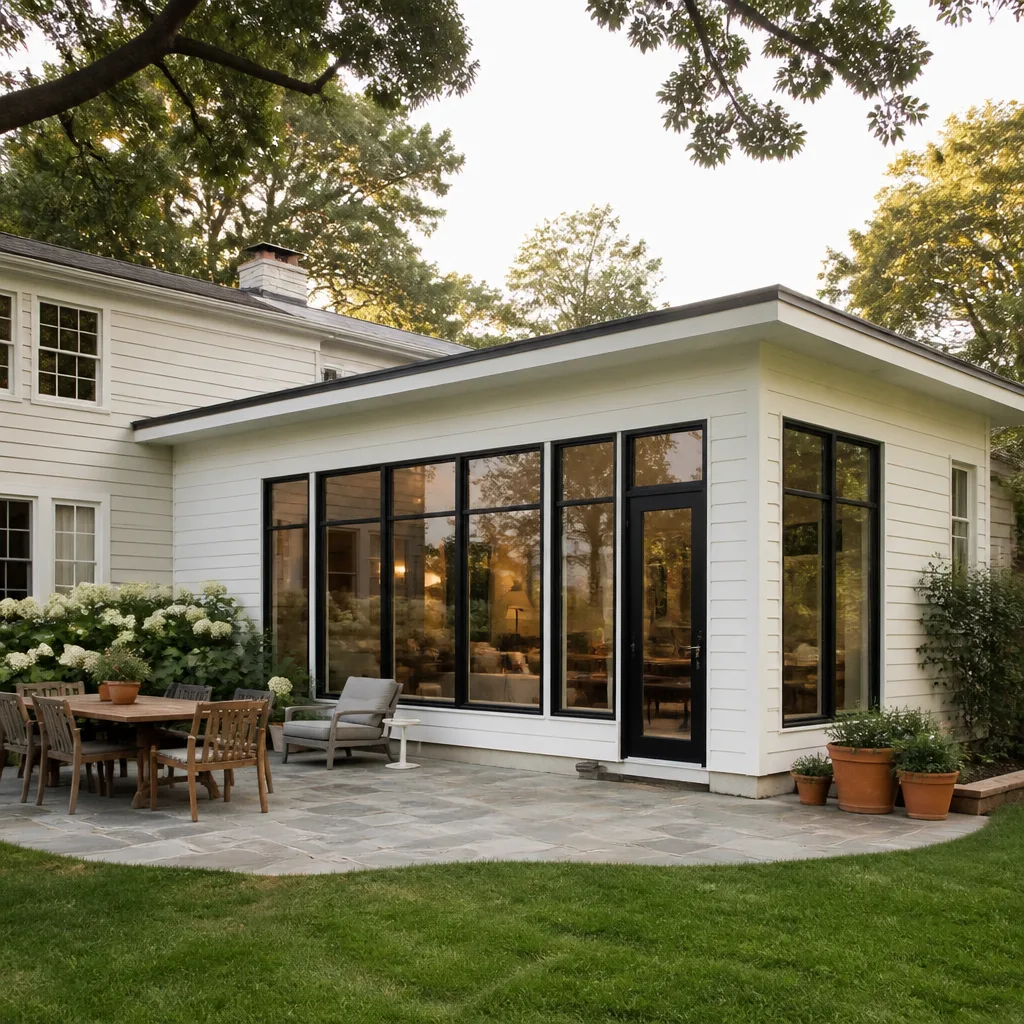
A properly tied-in addition should last 30 to 50 years in Houston, while a detached ADU on a well-drained slab can last longer. The tie-in point is the variable: Houston’s clay soil and humidity punish connection details harder than the rest of the structure, which is why we use heavier flashing and more strapping than code minimums on every addition we build.
If your addition is showing signs of movement, call (254) 272-5240 and we will assess what is actually happening. Estimates are free.
Yes, if the framing is still sound and the movement is at the connection hardware, we can repair the tie-in with new ledger hardware, proper flashing, and structural strapping without rebuilding the entire addition. If the framing has rotted or the foundation has shifted beyond tolerance, a partial or full rebuild is the honest answer. We will show you the evidence either way before you spend a dollar with us. Call (254) 272-5240 to schedule a look.
A tie-in repair typically takes three to seven working days. A full room addition runs eight to fourteen weeks, and a detached ADU runs twelve to twenty weeks depending on finish level and permitting. We give you a written schedule at the same time we give you the written price, and we do not start until both are signed.
We stock Simpson Strong-Tie and MiTek tie-in hardware, flashing, structural sheathing, and fasteners on the truck for most addition and ADU repair work. For OEM CGI-specific ledger hardware, we order it before the scheduled start date so it is on site the morning we begin, not three days into the project. Call (254) 272-5240 and we will let you know what your specific job needs after we look at it.
Written by Graham Stein, Owner, Elmstead Remodeling Houston at Elmstead Remodeling Houston, serving Houston and nearby areas.


