
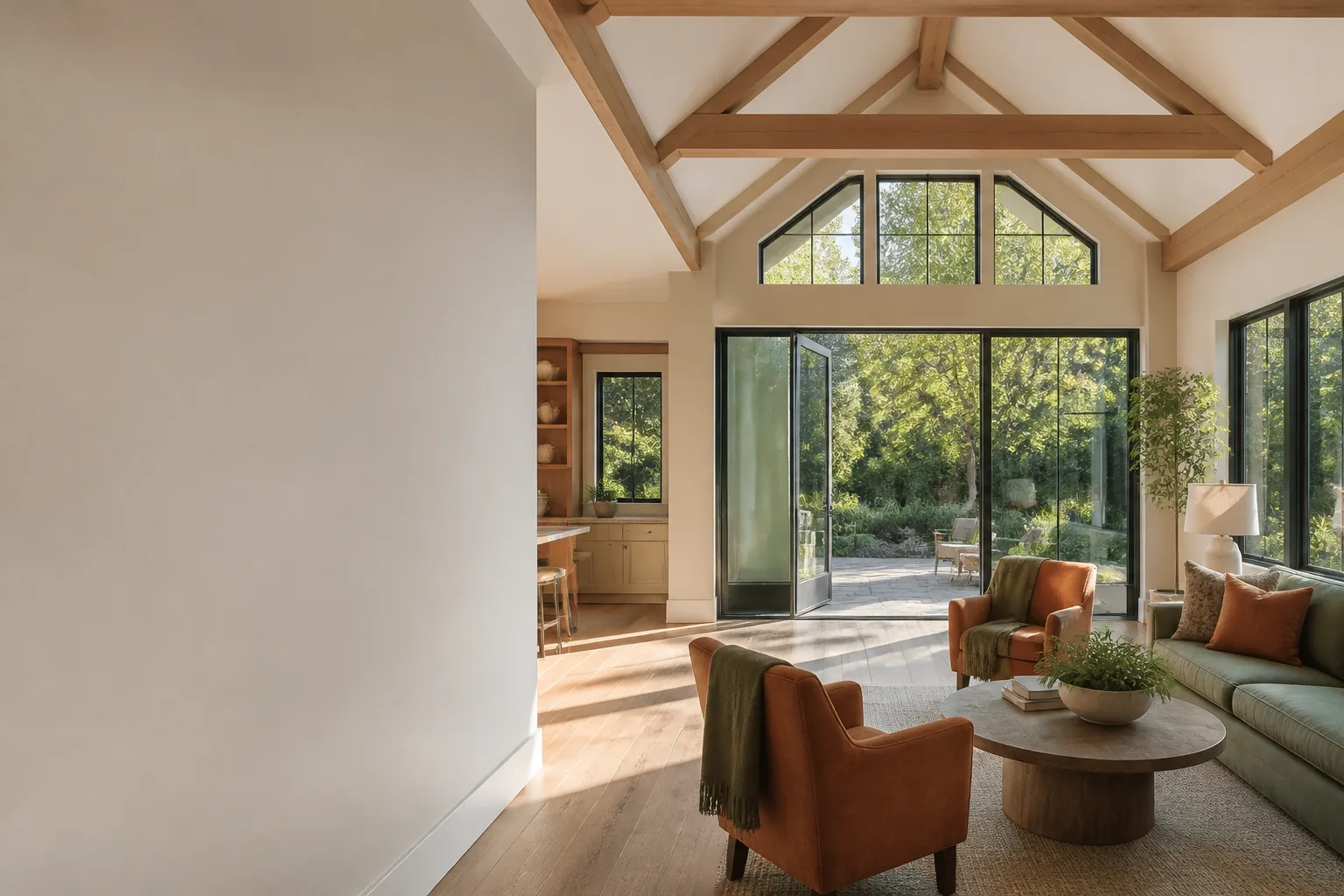
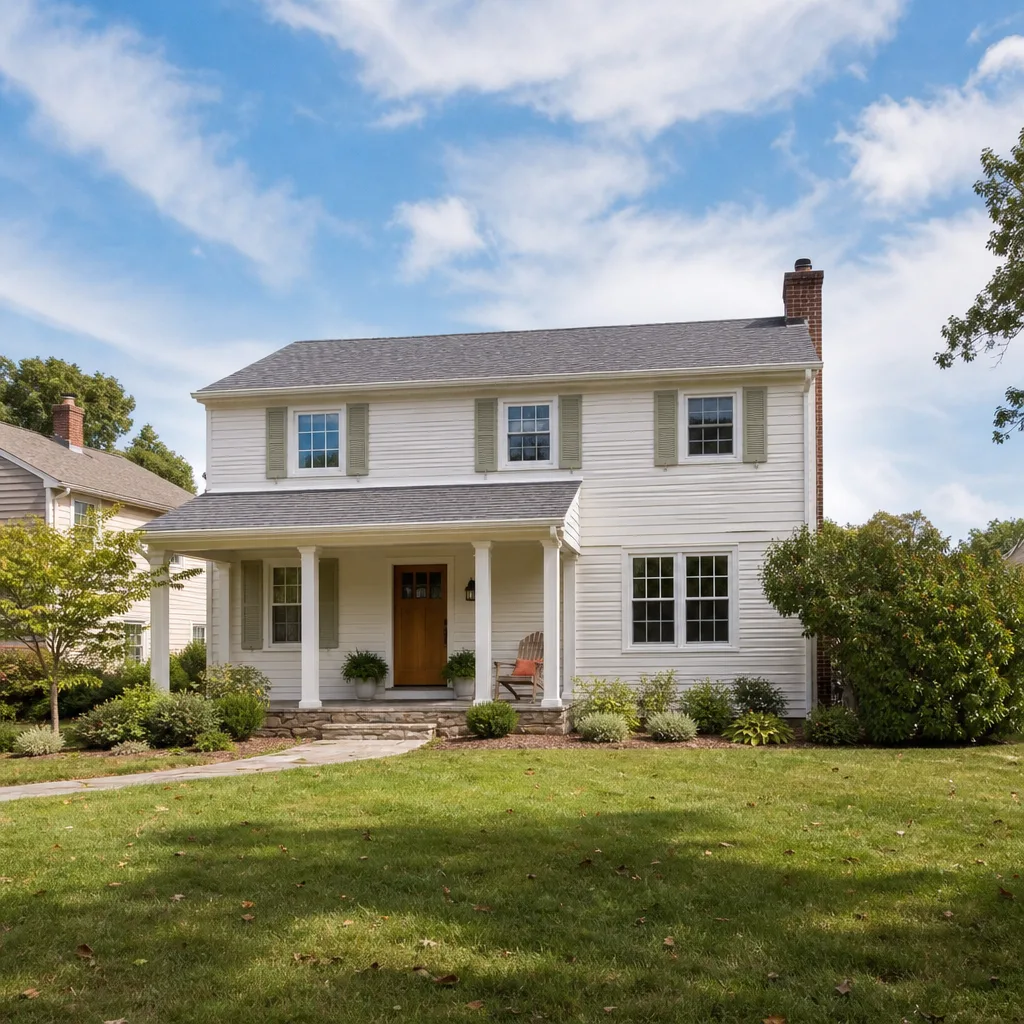
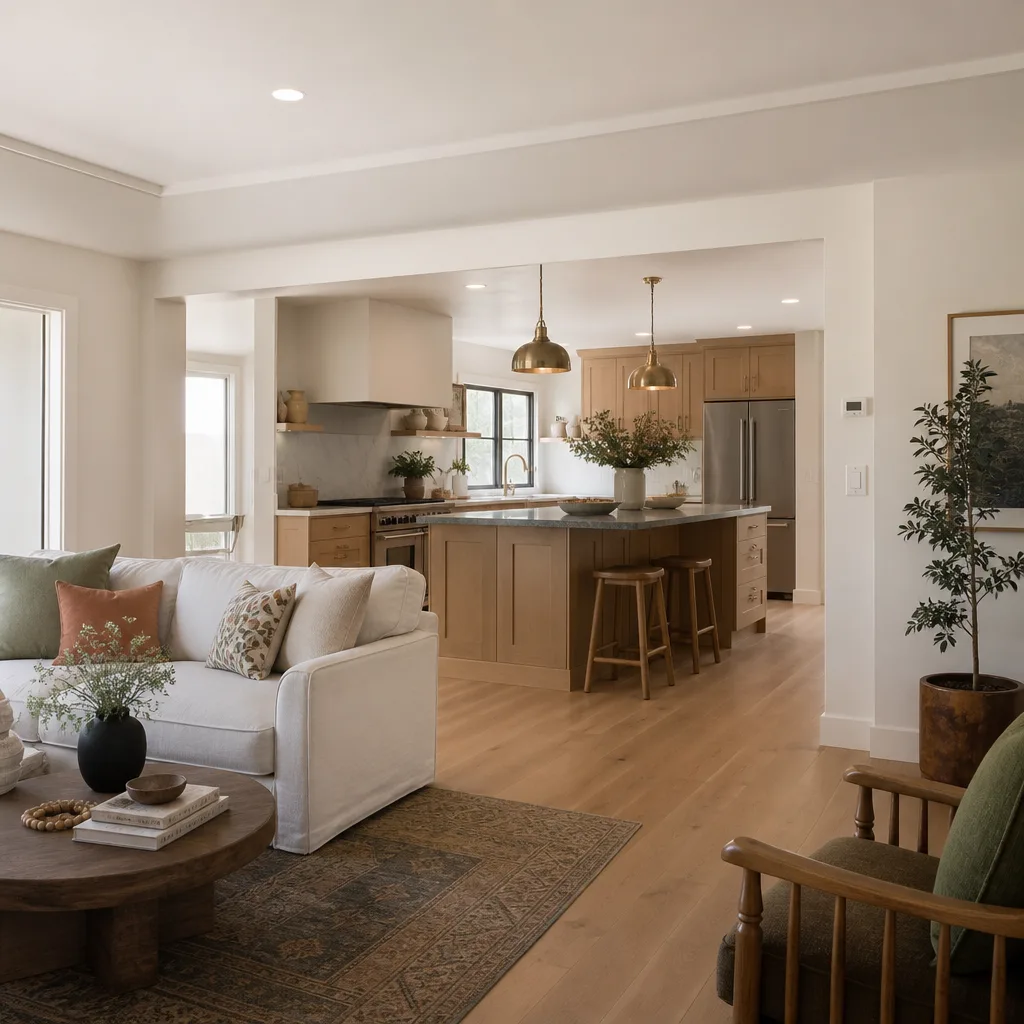
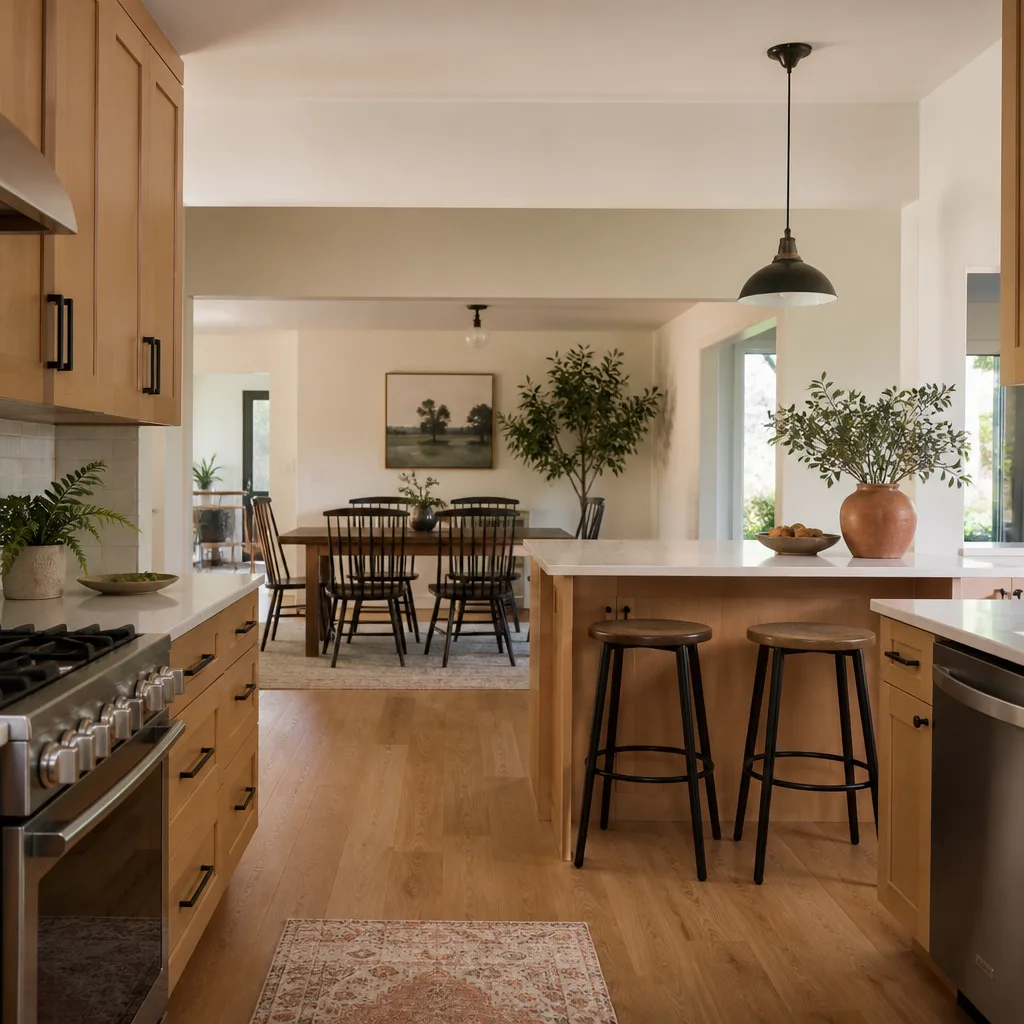
Free written scope consultation - allowances, timeline, and change-order rules on paper before a single trade is scheduled
CWS Home Additions & ADU: The Houston Owner’s Guide
A CWS home addition or ADU project in Houston typically runs $45,000 – $130,000 installed, depending on square footage, foundation type, and whether you’re building up or out. We handle CWS-compatible additions from the first foundation inspection to the final paint pass, with a written price before any work begins. Most Houston homeowners discover their addition project has stalled or failed when they notice cracked slab edges, doors that suddenly stick after heavy rain, or an existing CWS structure pulling away from the main house at the roofline.
We’re an independent Houston contractor, not affiliated with CWS, but we work on CWS-built additions and ADUs regularly. Our crews know the framing conventions, the typical utility routing, and the weak points these structures develop in our climate. That matters more than you’d think when you’re deciding whether to repair or rebuild.
Which CWS Models This Applies To
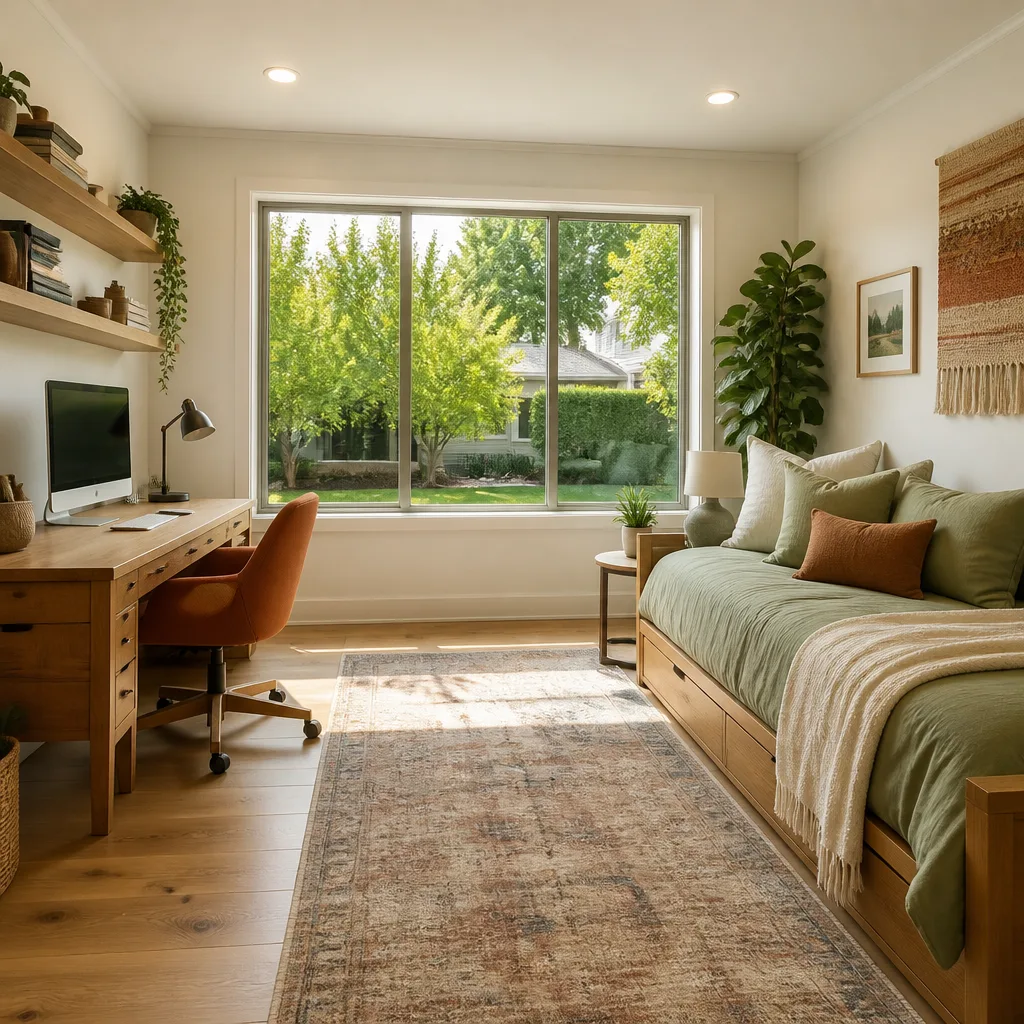
CWS home additions and ADUs in the Houston area fall into three broad construction types, and the repair or expansion approach changes with each. The first is a slab-on-grade addition, where the new floor sits on a poured concrete pad tied to the existing foundation with rebar dowels. The second is a pier-and-beam addition, more common in older Houston neighborhoods like the Heights or Montrose, where the floor system sits on concrete piers above the ground. The third is a second-story addition, which requires verifying that the existing first-floor framing and foundation can carry the added load.
If you have original CWS plans, the structural spec sheet will list the concrete PSI for the slab, the pier spacing for pier-and-beam work, and the engineer’s letter for any second-story framing. If you don’t have plans, we can pull the existing permits through the City of Houston’s permit office and match the original construction method. One compatibility gotcha we see on CWS additions from the 1990s and 2000s is undersized foundation rebar for Houston’s expansive clay soils, which leads to slab movement that was never an issue when the addition was built. We check for that before recommending any expansion or finish work.
For CWS ADUs specifically, the original build usually includes a compact kitchen, full bath, and a separate electrical subpanel. That subpanel matters. If you’re adding a mini-split, an electric water heater, or a cooktop, the existing CWS subpanel may not have the capacity, and you’ll need an electrician’s load calculation before we price the work. We do that up front rather than discovering it mid-project.
Styles & brands we work with







Signs Your CWS Home Addition or ADU Is Failing
- Cracks at the seam where the addition meets the original house. This is the classic Houston problem. Expansive clay soil swells and shrinks with our wet-dry cycles, and the addition’s foundation moves at a different rate than the original slab. A hairline vertical crack is usually cosmetic. A crack wide enough to slip a quarter into, or one that widens at the top, usually means differential settlement and needs a foundation assessment before any finish work.
- Interior doors that stick in the addition but not the main house. When a CWS addition’s floor system shifts even a half inch, door frames rack out of square. If the doors in the original part of the house are fine and the addition’s doors are not, the addition is moving independently of the house. That’s a structural red flag we addressed on a Meyerland job last year before it became a full slab repair.
- Moisture staining or musty smells along the addition’s baseboards. CWS additions built before the 2015 Houston drainage code updates often lack proper perimeter grading or a functioning French drain. Water that pools against the slab edge wicks up through the concrete and into the wall plates. We don’t patch over this; we find where the water is coming from first.
- Uneven gaps between the addition’s ceiling and walls. Truss uplift, shifting headers, or a failing tie-down between the addition roof and the main house will show up as gaps that change with the seasons. Texas humidity swings make this worse because the lumber swells and contracts. A consistent gap is one thing. A gap that opens and closes with the weather is a sign the roof structure isn’t truly connected to the house.
- Electrical flickering in the ADU when a big appliance cycles on. The ADU’s subpanel may be undersized, the feeder wire may be degraded, or a neutral connection may have loosened over time. We’ve seen CWS ADUs with 60-amp subpanels trying to run a mini-split, a washer, and a microwave at once. The panel wasn’t wrong when it was built; the usage just outgrew it.
See the difference
 Before
 After
After Before
 After
After Before
 After
AfterReplacement Cost & What’s Included
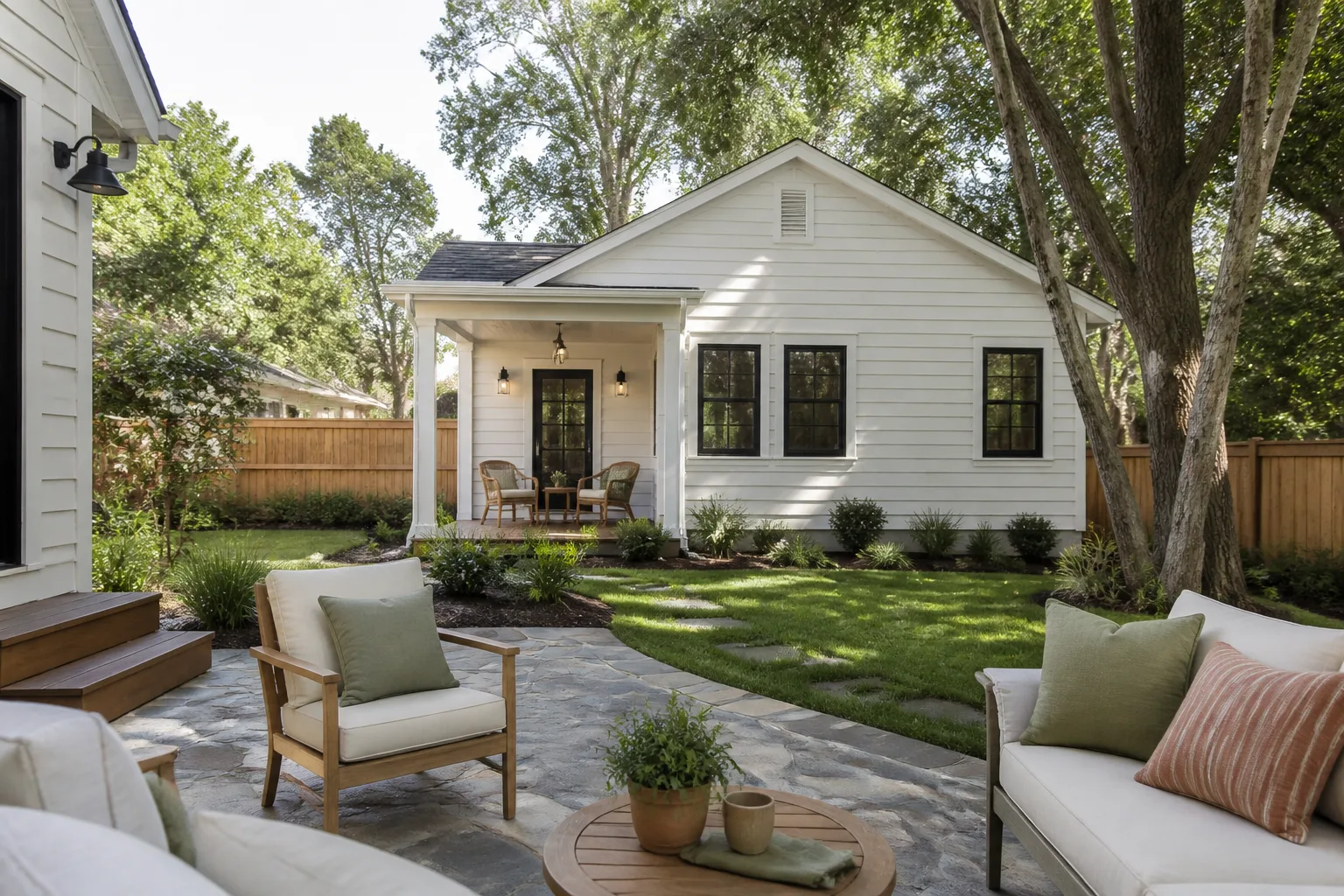
A full CWS addition rebuild or major repair in Houston falls in that $45,000 – $130,000 range for this page. A garage conversion into a conditioned living space typically lands between $30,000 and $80,000. An ADU built from the ground up is generally $90,000 to $220,000, because you’re adding a foundation, full utilities, and a separate address if the city requires it.
What widens the range is mostly site conditions, not material choices. Existing slab condition, soil classification, access for equipment, whether the addition’s roof ties into the main house or stands alone, and whether your CWS structure needs foundation remediation before any new framing goes up. We don’t hide that in the fine print. The written price we give you before work starts includes the scope line by line, and if we discover something that changes the scope, we stop and talk to you before any change is made. You’ll also have named-brand materials where they matter most: KraftMaid or Wellborn cabinets if your addition includes a kitchen, Cambria or Silestone counters, Kohler or Moen fixtures for the bath.
DIY or Call Us?
Some things you can absolutely check yourself. Walk the addition’s perimeter after a heavy Houston rain and look for standing water against the slab edge. Inspect the exterior seam where the addition wall meets the original house and photograph any new cracks. Note which doors stick and whether it changes with the season. Those notes save us time and save you money during the inspection.
What you shouldn’t do is open walls or floors on an addition that’s showing structural movement. If a load-bearing wall has to be temporarily supported, a shift in the wrong direction takes the roof with it. We also don’t recommend attempting foundation lift work, re-routing electrical feeders, or re-framing a roof connection on your own. That’s work where a mistake is measured in structural damage or injury, not just wasted time. Call us at (254) 272-5240 and we’ll walk you through what we see.
FAQs
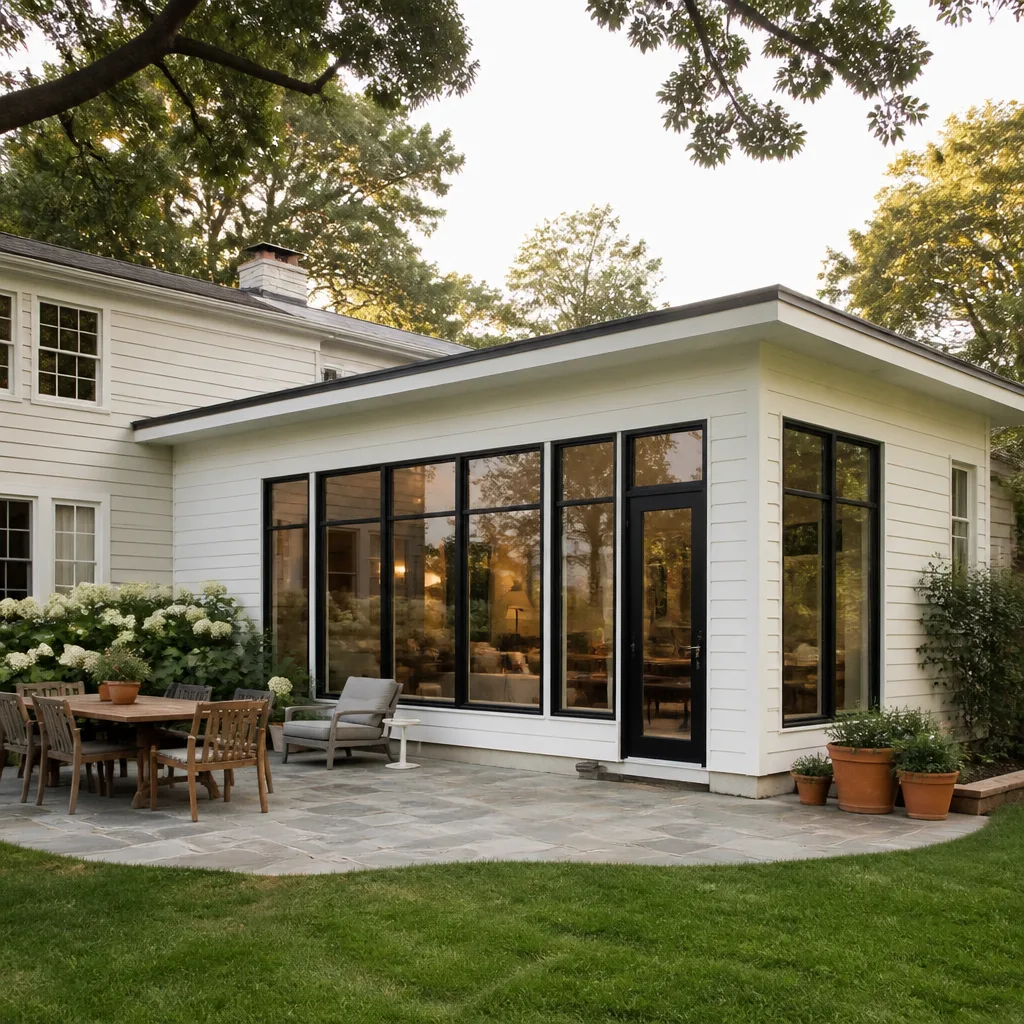
A properly built CWS addition on a correctly engineered Houston slab can go 40 to 50 years before major structural work, but the finish surfaces will need attention much sooner. The real variable is drainage and foundation movement. Additions with good perimeter drainage and gutters routinely outlast additions where water has been pooling at the slab edge for years. We see storm-related foundation stress on CWS structures in flood-prone Houston neighborhoods far more often than we see material failure.
If you’re trying to gauge where your addition stands, call (254) 272-5240 and we’ll take a look before recommending any work.
Yes, most CWS additions can be repaired rather than fully rebuilt, as long as the foundation movement is addressed first and the framing is sound. The repair usually involves stabilizing the slab or piers, re-tieing the roof connection, replacing any water-damaged plates, and then refinishing. A full rebuild is only necessary when the framing has been wet for years and lost its structural integrity, or when the addition was never properly tied to the house in the first place.
For an honest assessment of your specific addition, call (254) 272-5240 to schedule a free estimate.
A garage conversion typically takes 6 to 10 weeks. A ground-up ADU takes 4 to 6 months, including foundation, utility connections, and city inspections. A large home addition in the $45,000 – $130,000 range can run 3 to 5 months depending on permits, weather, and the condition of the existing CWS structure. We give you a written timeline with the written price, and we update you at the end of every workday so the schedule never takes you by surprise.
We keep common framing and rough-in materials on hand at our Houston shop, including dimensional lumber, treated plates, rebar, and standard exterior sheathing. But CWS additions and ADUs weren’t built from a single standardized parts catalog, so most structural materials are ordered per job to match the existing dimensions and engineer’s spec. We also stock KraftMaid and Cambria finish samples in-house, and we order Silestone directly with the manufacturer’s lead time so your warranty travels with the finished project.
Call (254) 272-5240 and we’ll tell you what’s in stock for your specific CWS structure and what has a lead time.
Written by Graham Stein, Owner, Elmstead Remodeling Houston at Elmstead Remodeling Houston, serving Houston and nearby areas.


