
Free written scope consultation - allowances, timeline, and change-order rules on paper before a single trade is scheduled
Unilock Home Additions & ADU: The Houston Owner’s Guide
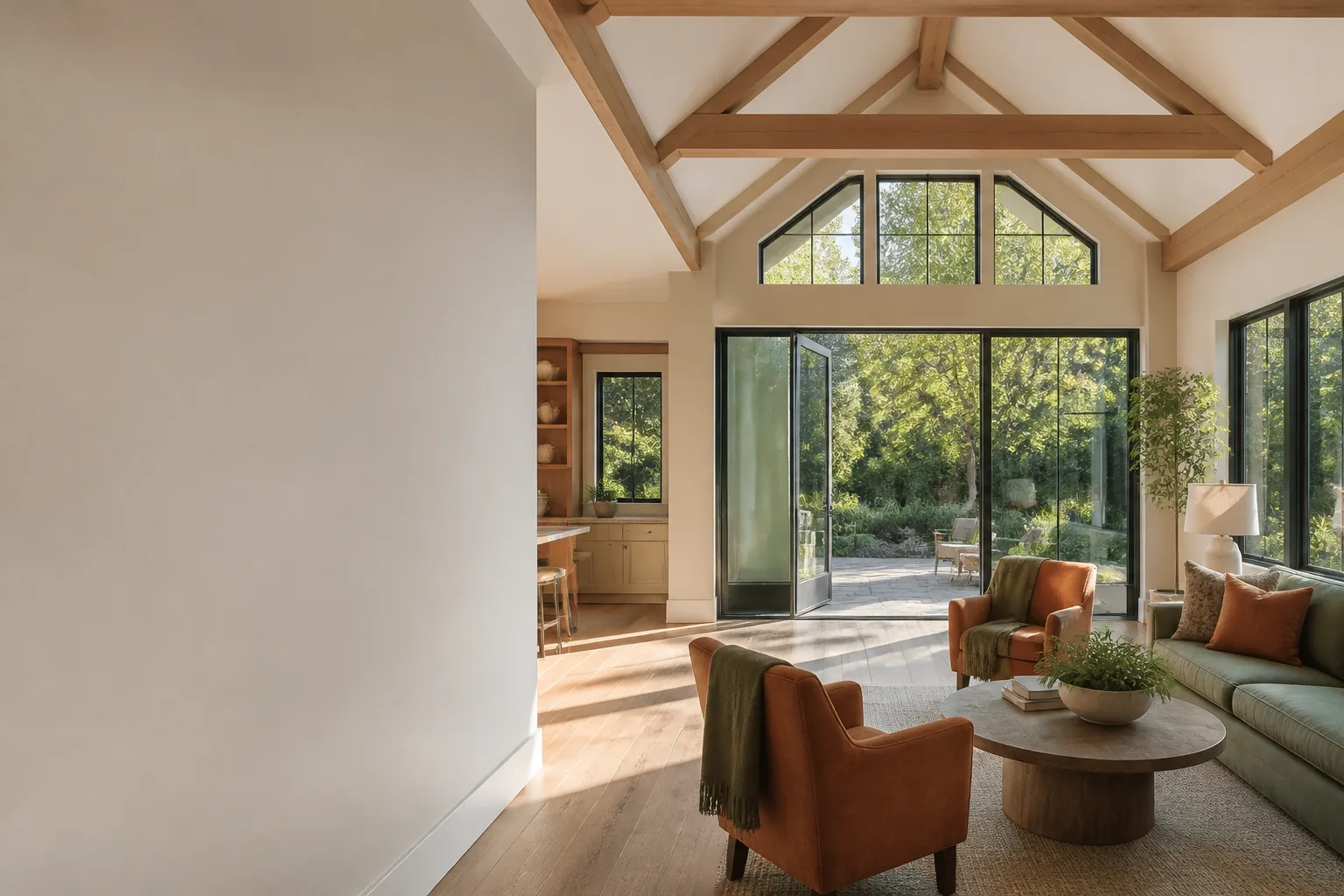
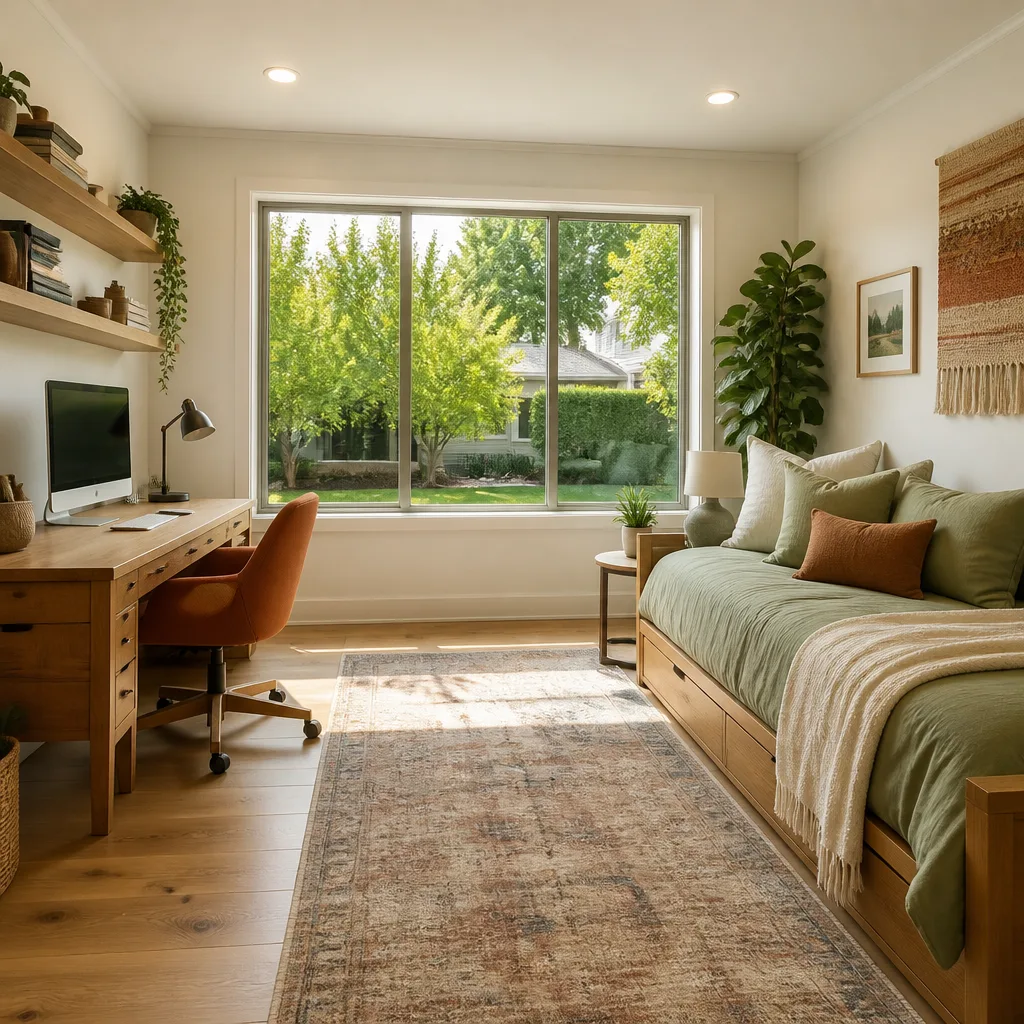
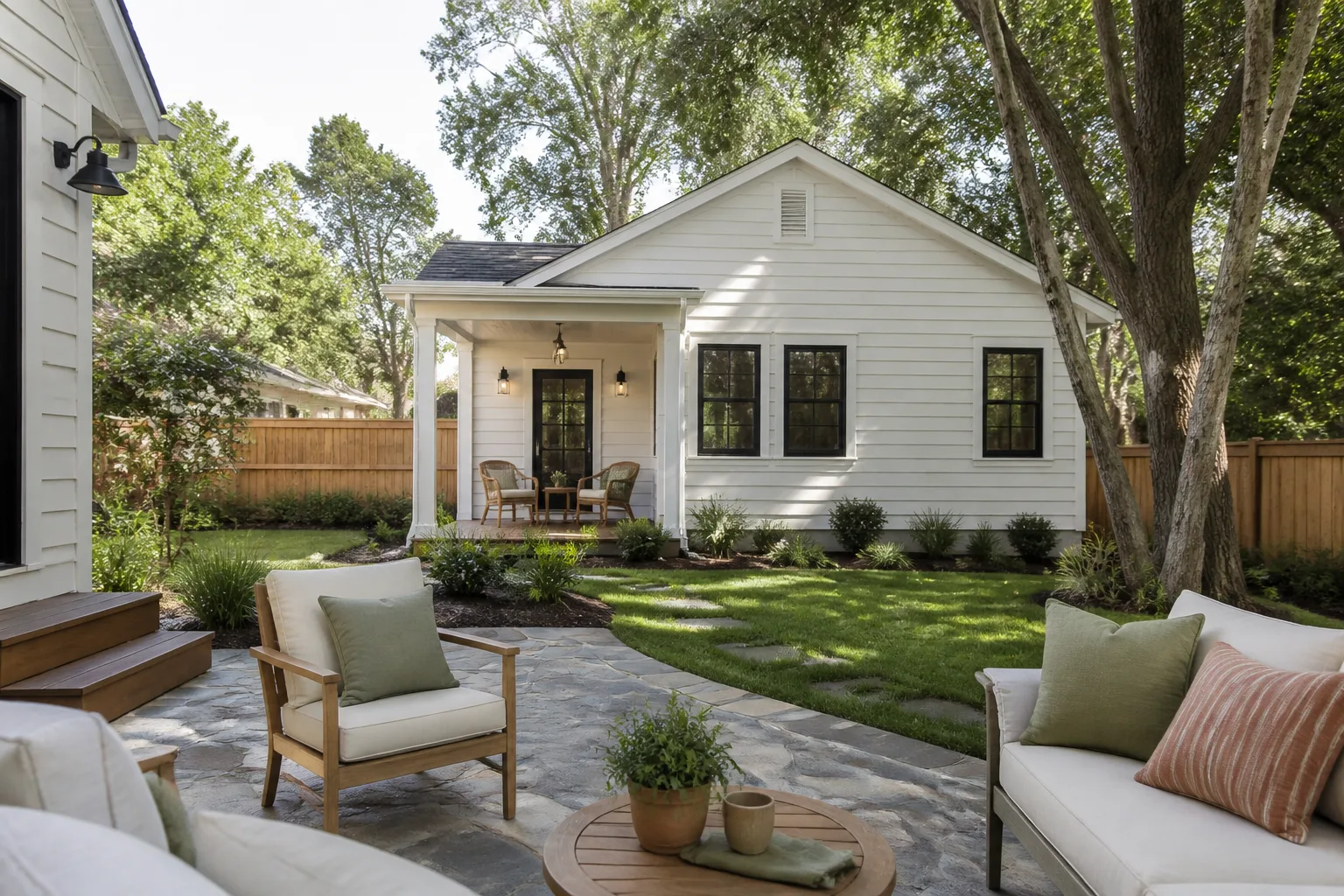
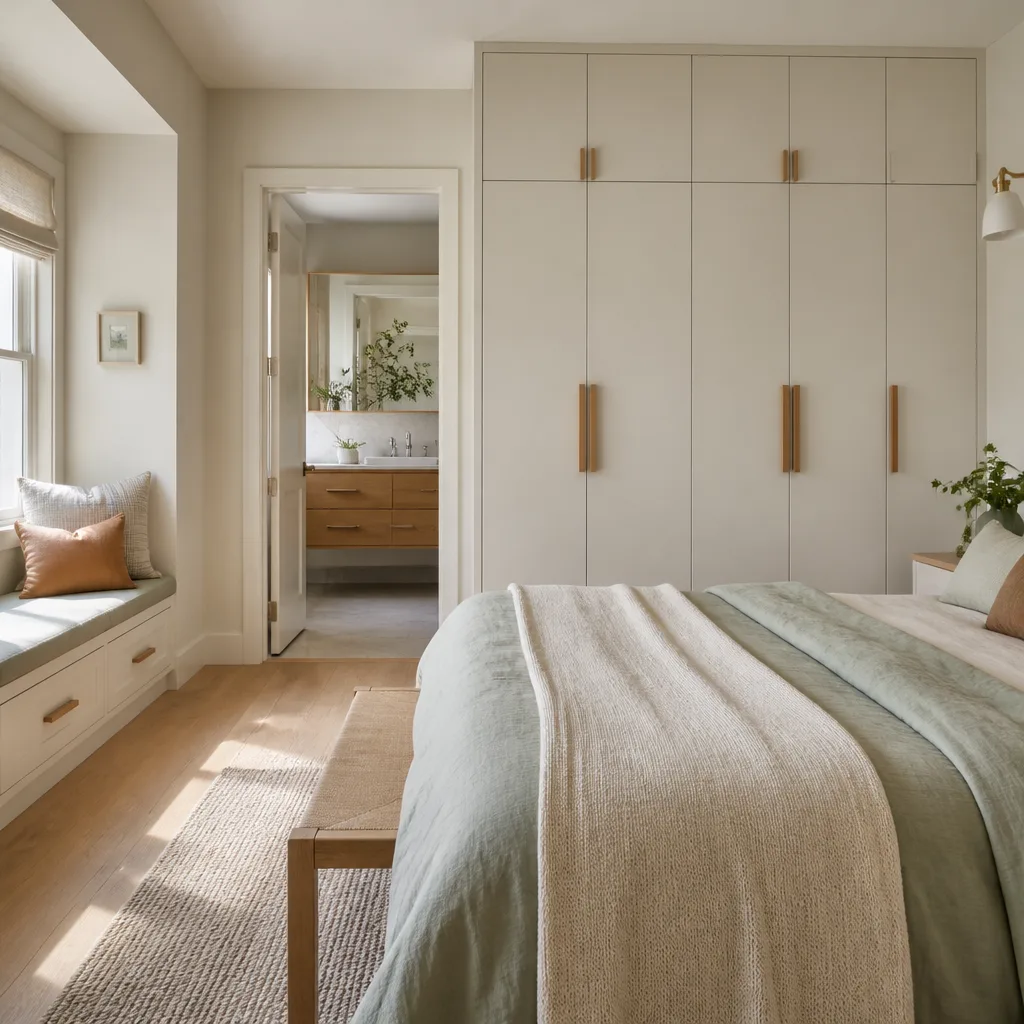
Elmstead Remodeling Houston builds home additions and ADUs that pair with Unilock pavers and retaining walls, with most Houston projects landing between $45,000 and $130,000 depending on footprint, finishes, and whether we’re tying into existing Unilock hardscape. A full written price comes before any work starts, every time, and we’ll walk the property with you to show exactly where new construction meets existing Unilock pavers, walls, or steps. Most owners reach out when a slab edge settles against Unilock pavers, when a retaining wall cracks under the weight of an addition, or when an ADU roof drains onto a paver patio and starts eating the base. Graham Stein has seen that drain-to-paver failure enough times in Houston that he now specifies a drainage check as part of every addition and ADU scope before the first wall goes up.
We’re an independent remodeling contractor in Houston, not affiliated with Unilock, but we work around Unilock hardscape regularly and know where additions and ADUs create stress points in those systems.
Which Unilock Models This Applies To
Unilock’s paver and wall product lines that we most often work around in Houston additions and ADUs are the Brussels Block, Courtstone, Mattoni, and Richcliff pavers, plus the U-Cara multi-face retaining wall system and Lineo dimensional walls. The gotcha that trips up a lot of Houston owners is this: Unilock pavers are modular and look interchangeable from above, but the base depth and edge restraint specs differ between pedestrian and driveway-rated applications. A Brussels Block patio edge that held fine for ten years of foot traffic will push outward and crack within two years if an addition’s foundation backfill shifts that edge and someone then parks near it. We identify the exact Unilock line by pulling a paver and measuring the thickness, checking the chamfer profile, and matching the color code stamped on the underside where it’s still legible.
For OEM versus aftermarket: Unilock pavers and walls are the “part” that usually fails in an additions/ADU context, and the honest reality is there is no equivalent aftermarket replacement for Unilock’s specific color blends. You either source matching Unilock units from a Houston dealer or you accept a visual break line and step the new hardscape intentionally. Where aftermarket parts do make sense is the non-decorative layer: base aggregate, geotextile fabric, edge restraints, and drain pipe sourced from supply houses in Houston are often the same or better spec than what any manufacturer bundles. We’ll tell you which categories we’ll use Unilock-only in and which categories we spec from the Houston supply yard, and why.
Styles & brands we work with







Signs Your Unilock Home Additions & ADU Is Failing
- Pavers sinking or heaving along the addition’s foundation line. This usually means backfill wasn’t compacted in lifts when the addition was built, and the Unilock base layer is now losing support from below, not failing from above.
- U-Cara or retaining wall blocks cracking near the addition corner. Houston clay soil expands and contracts with moisture, and when a new slab changes the drainage pattern, that moisture swings get worse in one spot. The wall unit itself is rarely defective; the load and water path changed.
- A settling patio pulling away from the new threshold. If you step out of the new French door and the first Unilock paver has dropped a half inch, that’s a base failure. It will only widen.
- Water pooling against an ADU skirting or foundation after storms. Grading is frequently the hand-off point nobody owned between the concrete contractor and the hardscape contractor. Houston gets the rain to make this obvious fast.
- Edge restraints popping up and paver joints spreading under foot traffic. Once the edge is lost, the whole field is working loose like a zipper from one corner.
See the difference
 Before
 After
After Before
 After
After Before
 After
AfterReplacement Cost & What’s Included
In Houston, our home addition work runs $45,000 to $130,000, and ADU construction runs $90,000 to $220,000. The part-specific piece clients ask about most is the paver and retaining wall repair that accompanies the build: if we’re rebuilding a Unilock patio edge, re-setting a section of pavers, or replacing a failed retaining wall section as part of the project, that typically lands between $3,500 and $11,000 on top of the addition or ADU scope, depending on square footage, access, and whether we’re reusing existing Unilock units or scoring matching ones from a Houston dealer.
What drives the range in Houston: soil condition and whether piers are required, how far the addition needs to tie into existing Unilock hardscape, and whether we’re repairing drainage as part of the job. Every written price includes drop cloths, shoe covers at the door, the daily end-of-day walkthrough, and the photo of the clean-up before we leave. The 365-Day Done Right Promise covers the finished project: if something isn’t done right, we come back and make it right.
DIY or Call Us?
There are two safe owner checks around a Houston addition or ADU with Unilock hardscape. First, look at where water sits after a hard rain, and mark those spots with spray paint before the next storm. Second, tap along the paver edge with a rubber mallet and feel for hollow spots. That’s the information we need from you, and you’ll get more out of the estimate call for having it.
What you should not do is pull up Unilock pavers yourself, cut base, or try to sister a new wall onto an existing U-Cara run without knowing what’s beneath the frost line and the drainage path. Wrong base repair will look fine for one Houston winter and fail in the first summer that follows. If you’re uncertain about what you’re looking at, call (254) 272-5240 and describe the spot. We’ll tell you honestly if it warrants a site visit.
FAQs
Unilock pavers themselves are rated for 25 years or more under normal use, but the base layer beneath them in Houston’s clay soil typically needs attention every 12 to 15 years, especially where an addition changed the drainage path. A well-built base can double the functional life of the surface. Call (254) 272-5240 and we’ll look at what’s happening under your pavers before recommending any surface work.
Yes, if the failure is localized, meaning a single section of wall or a defined paver field, repair is usually the better path and we’ll re-use existing Unilock units wherever the color and wear are consistent. If the base is compromised across a wider area, replacement gets cheaper per square foot than chasing recurring repairs. Call (254) 272-5240 for an honest read and a written price either way.
Plan on 3 to 8 months depending on the project’s footprint, permitting in Houston, and how much hardscape repair is folded in. We set quiet hours for children’s sleep and school time, and we’ll walk you through the written schedule before the first tool comes off the truck.
We don’t warehouse Unilock inventory ourselves, but we work directly with Houston-area Unilock dealers and can source matching units for your project, plus base, fabric, edge restraint, and drainage materials from our local supply partners. We also handle KraftMaid, Cambria, and Silestone materials on interior portions of the same addition or ADU. For a hardscape match, call (254) 272-5240 and share your paver’s color code if you have it.
Written by Graham Stein, Owner, Elmstead Remodeling Houston at Elmstead Remodeling Houston, serving Houston and nearby areas.


