
Free written scope consultation - allowances, timeline, and change-order rules on paper before a single trade is scheduled
Cover Home Additions & ADU: The Houston Owner’s Guide
If you’re searching for a Cover home addition or ADU in Houston, the honest answer is this: Cover as a company does not manufacture a standalone “home additions” product line. What most Houston homeowners actually need when they search this is a contractor who understands the scope of what Cover-style additions involve: a permit-ready plan, a fixed written price, named materials, and a crew that treats the house like it’s lived in during the entire build. At Elmstead Remodeling Houston, we build home additions and ADUs in the $45,000 – $130,000 range for additions and $90,000 – $220,000 for full ADU construction, and we’re the team Graham Stein leads for families across Houston who want the work done right and the house left clean every single day.
You usually land on a page like this after months of Googling, a few confusing contractor visits, and maybe a plan that stalled at the permitting desk. Here’s the symptom picture: you need more square footage, a second bath, a place for aging parents or a rental unit, but every estimate you’ve seen is vague, and nobody has told you the real number up front. That’s the failure point. Not a part. A process. And that’s exactly what we fix.
Key Takeaways
- Cover doesn’t sell a physical “home additions” part, but the work is real: $45,000 – $130,000 for additions in Houston, $90,000 – $220,000 for ADUs.
- Elmstead Remodeling Houston is an independent contractor, not affiliated with Cover. We’re a Cedarwell company founded in 2005.
- Written price before any work starts. Every project. No change orders that surprise you.
- Drop cloths down, shoe covers on, and a photo of the clean-up before the crew leaves. Every day.
Which Cover Models This Applies To
Here’s the compatibility truth: “Cover” in the home additions space typically refers to Cover Technologies, a company known for prefabricated or panelized building components and accessory dwelling unit kits in certain markets. Their components are not universal. A Cover wall panel system uses specific steel framing tolerances, connection points, and moisture barrier detailing that differ from standard stick-frame lumber. If your Houston property was originally built or permitted with Cover components, you need to check for the serialized panel labels, usually stamped on the top track of each wall assembly or inside the electrical panel cavity. The label will carry a series code (often a “CVR” prefix followed by a build date) that tells us exactly which hardware pack and flashing profile your addition was designed around.
For the OEM-versus-aftermarket decision: Cover’s proprietary connection brackets and shear wall fasteners are generally worth buying OEM when we can source them, because the engineering loads were calculated around those exact steel gauges. For everything else that a Houston addition needs, from the James Hardie exterior cladding to the GAF roof underlayment, Schlueter waterproofing, and Kohler or Moen fixtures, we use named brands you can research yourself. The manufacturer warranties travel with the finished project. We don’t substitute mystery materials to save a few dollars at your expense.
One compatibility gotcha we see in Houston specifically: Cover panel systems shipped to Texas must be re-verified for wind-load ratings after any field modification. We’ve had to re-engineer connections on three separate Houston projects where a previous contractor notched a panel to run plumbing. That notch is almost always an inspection failure. If you suspect anything like that, get it looked at before the sheetrock goes back up.
Styles & brands we work with







Signs Your Cover Home Additions & ADU Is Failing
- Drywall cracking at the roofline or ceiling corners. In Houston’s clay soil, differential settling is a slow, relentless force. Cracks that reopen within a year of patching usually mean the addition’s foundation wasn’t designed for the local soil movement. We map the crack pattern before touching anything.
- Doors and windows beginning to stick or refusing to latch. This is often framing movement, but in a panelized Cover system, it can also mean a connection bracket has worked loose. If the panel joints were ever exposed to moisture, the steel could be corroding quietly inside the wall.
- A musty smell in the addition that never fully goes away. Houston humidity will find any gap in a moisture barrier. Cover panels rely on a continuous air and vapor seal at every seam. One missed tape line during original install can feed mold for years behind the baseboard.
- Water staining at the seam where the addition meets the original house. This is the classic failure point for any addition, and it’s worse with panel systems if the transition flashing wasn’t lapped correctly. By the time you see the stain inside, the framing behind it has been wet for months.
- Energy bills climbing season after season. A failed seal or compressed insulation in a panel cavity means your AC is conditioning the attic or the crawlspace. In a Houston August, that is money literally leaking through the wall.
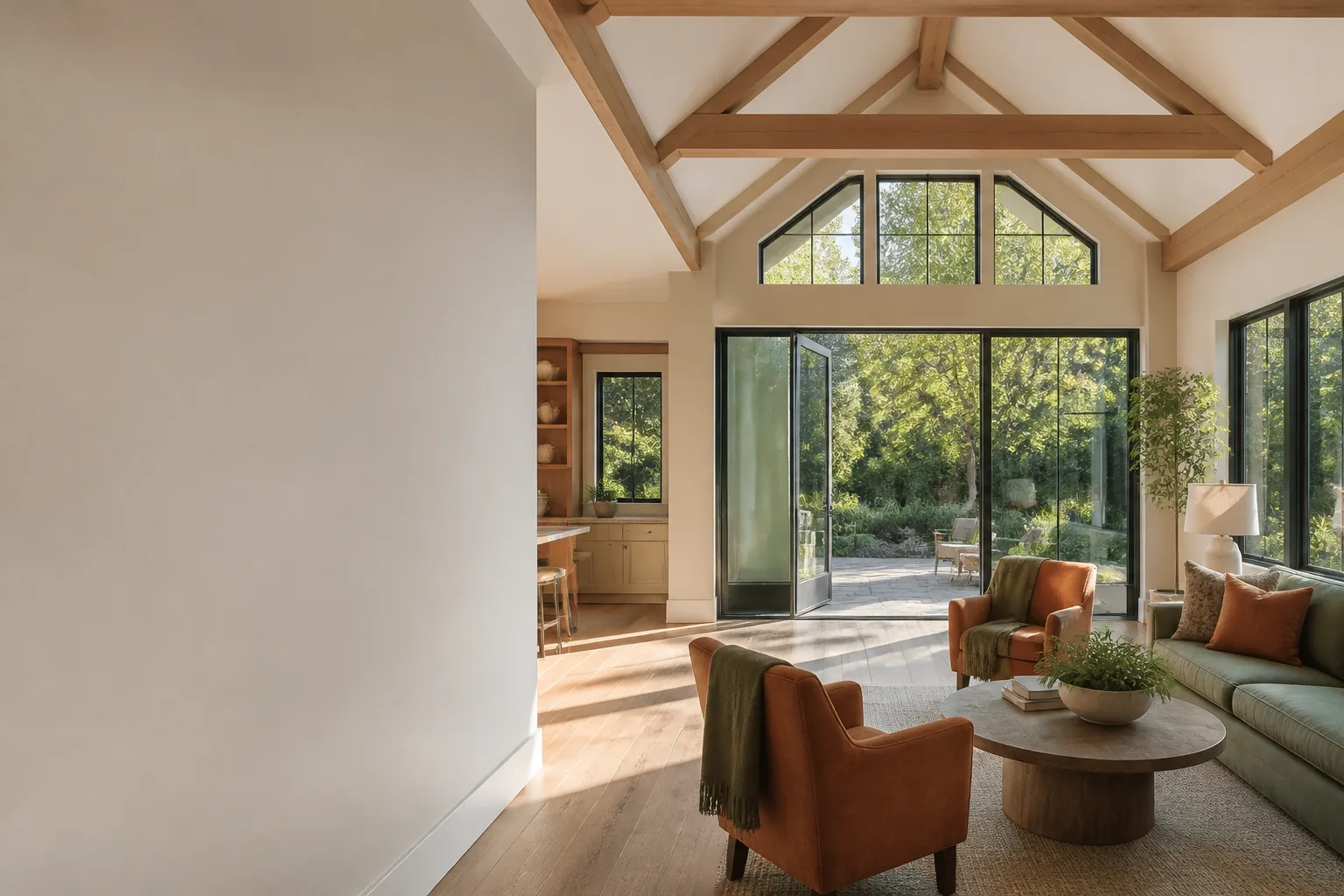
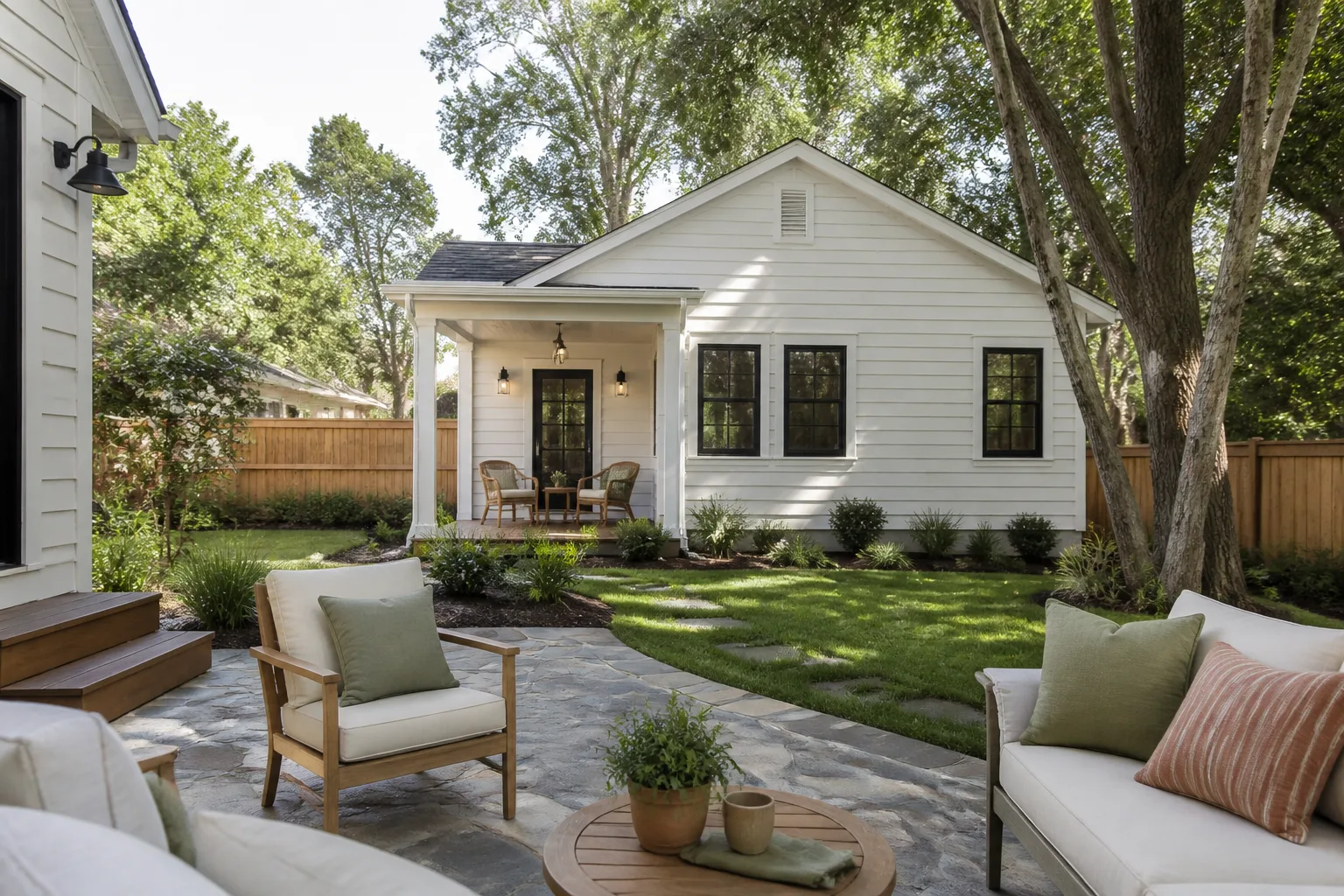
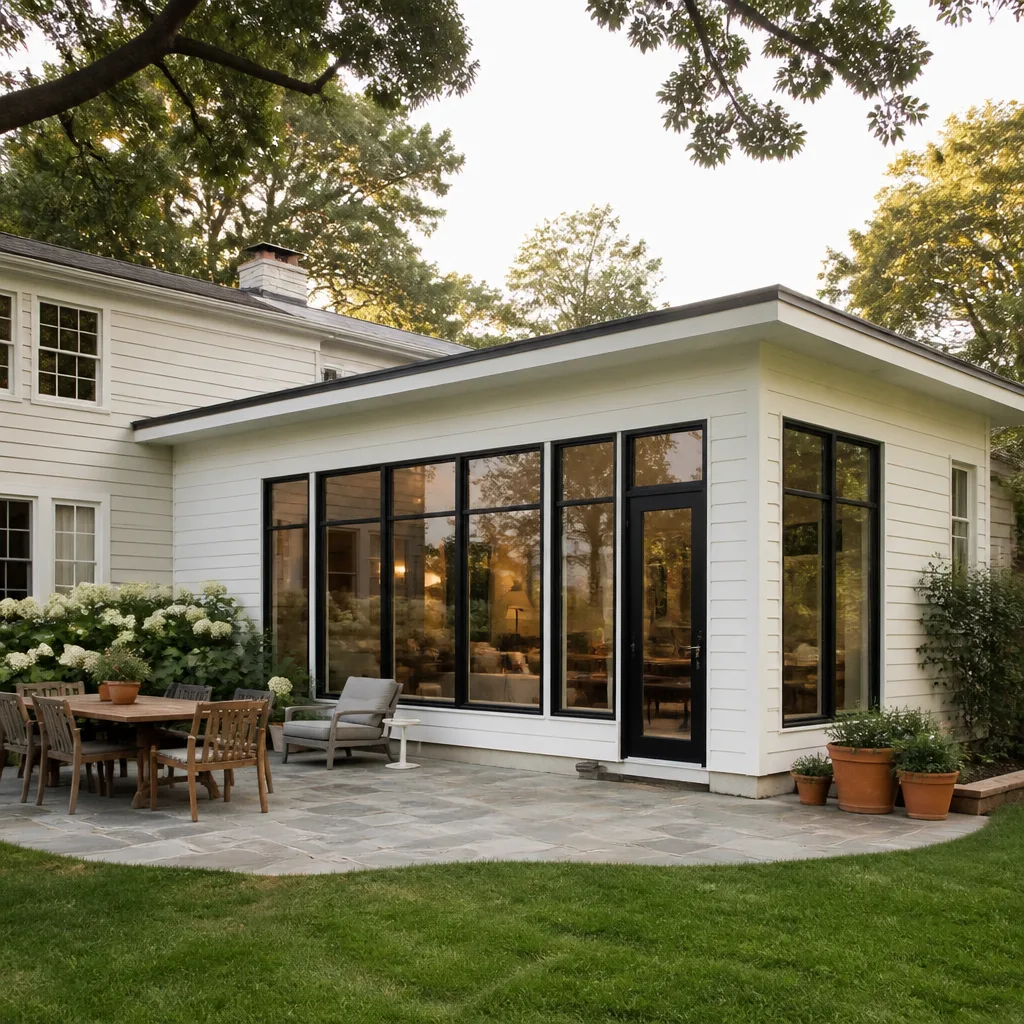
See the difference
 Before
 After
After Before
 After
After Before
 After
AfterReplacement Cost & What’s Included
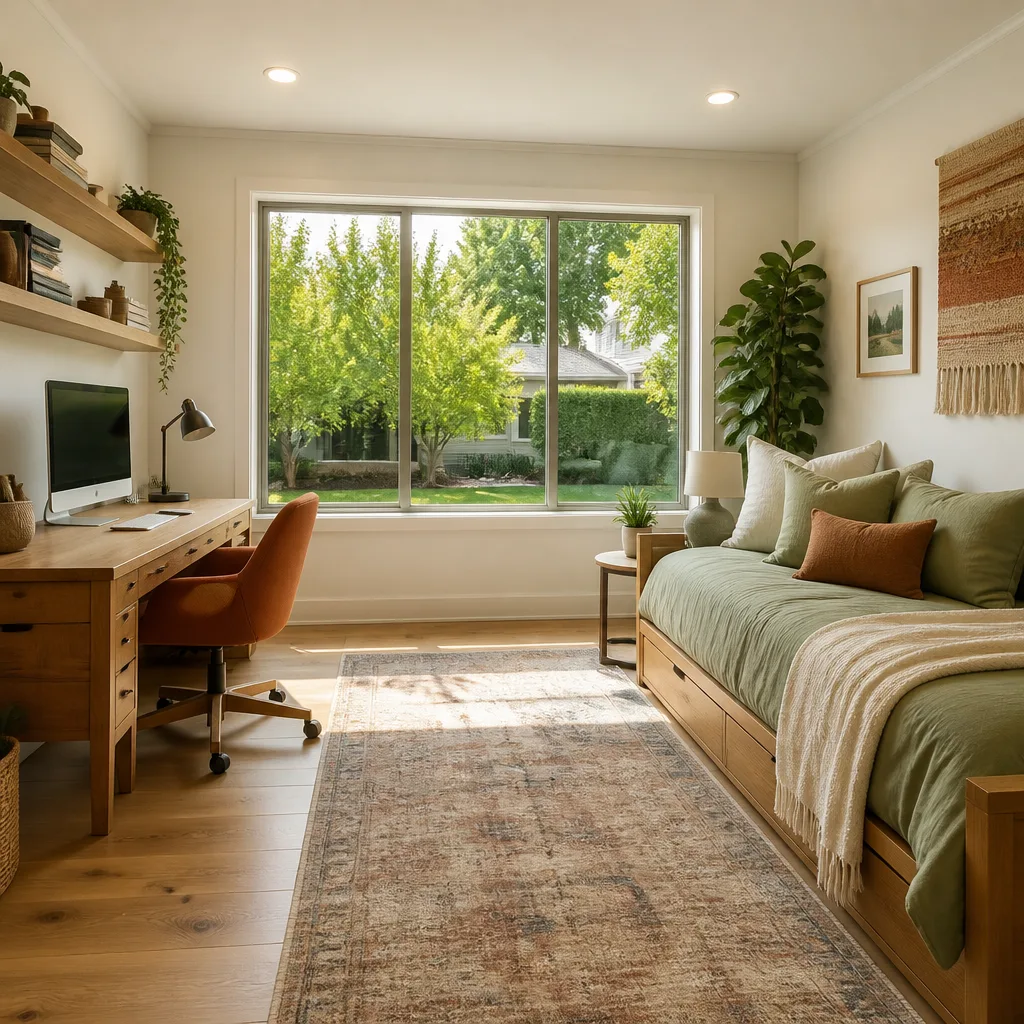
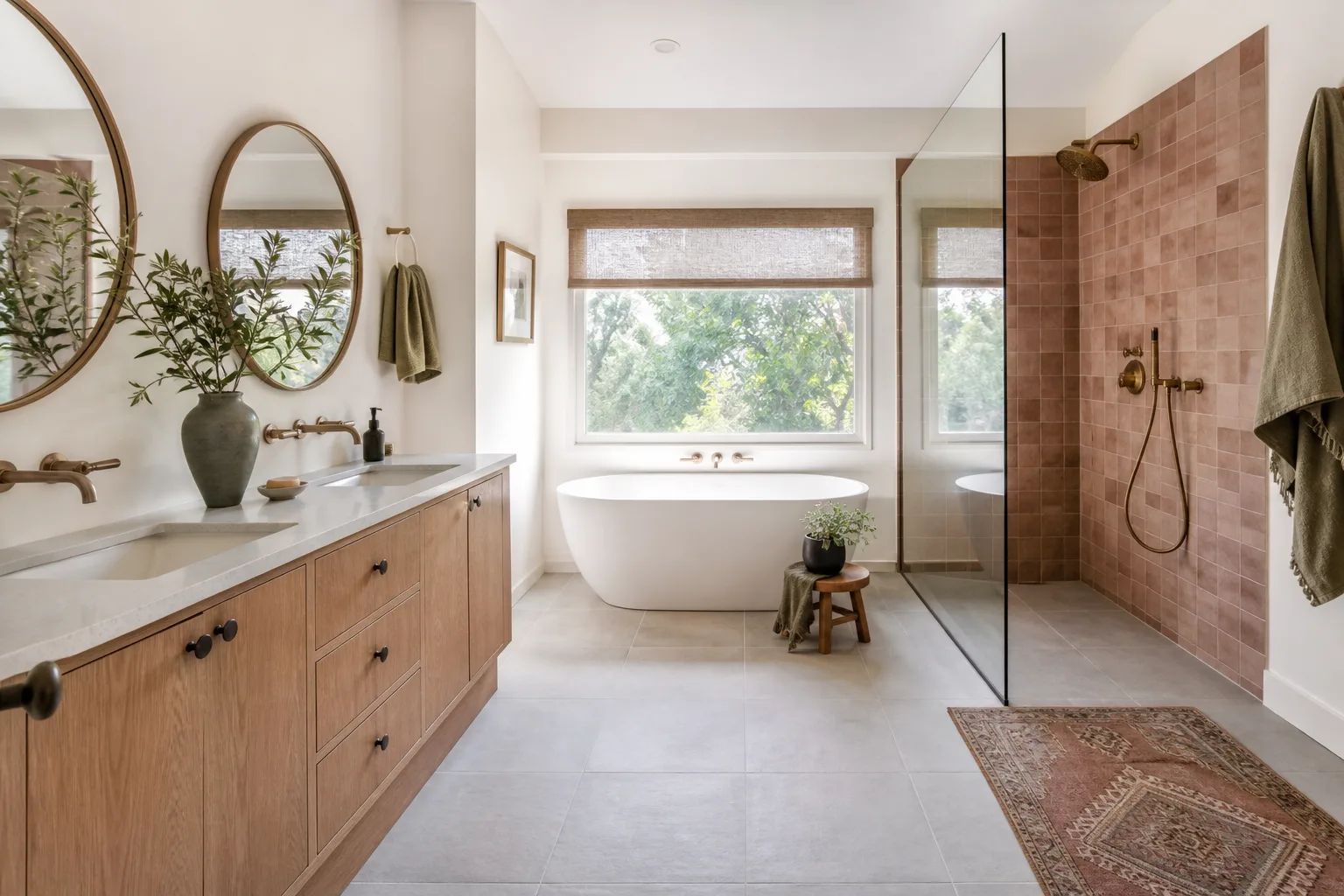
For a Houston home addition, plan on $45,000 to $130,000 depending on square footage, foundation work, plumbing rough-in, and finish level. Full ADU construction runs $90,000 to $220,000 when you’re adding a separate kitchen, bath, and independent utility connections. Garage conversions in Houston sit between $30,000 and $80,000. These are not “starting at” teaser numbers. They’re the ranges we write into our proposals before a single tool comes out of the truck.
What’s included in our price: the written scope with named materials (KraftMaid or Wellborn cabinets, Cambria or Silestone countertops where specified, Kohler or Moen fixtures, James Hardie cladding, GAF roofing), all permits, all inspections, daily clean-up, shoe covers and drop cloths on every visit, the end-of-day walkthrough, and our 365-Day Done Right Promise. If it’s not done right, we make it right. No fine print. No “that was an extra.” A written price and a covered floor before any work begins, that is where the trust starts.
DIY or Call Us?
If you’re dealing with a failing Cover-style addition, there are things you can safely do before calling anyone: photograph every crack and water stain with a tape measure in the frame, note whether doors stick seasonally or year-round, and check your attic insulation with a flashlight. Do not open a wall cavity, cut into a panel, or try to re-tension any structural fastener. Panelized systems carry shear loads, and the wrong cut in the wrong place can compromise the entire assembly. If the problem involves electrical rough-in or gas line relocation for a new ADU kitchen, that is licensed-trade territory, full stop.
Most Houston homeowners we meet are not looking for a DIY adventure on a $45,000 – $220,000 project. They’re looking for one clear answer and one crew that will be there next month and the month after. Call Graham and the team at (254) 272-5240 for an honest walkthrough and a written estimate. We’ll tell you what’s worth fixing and what isn’t, even if that means we don’t get the job.
FAQs
A properly built home addition or ADU in Houston should last 50 years or more as a structural system, but the exterior cladding, roof, and seals will need maintenance on a 10-to-20-year cycle because of our humidity and UV exposure. Panelized systems like Cover’s can perform well here if the original moisture barrier was done correctly and the foundation was engineered for Houston’s expansive clay soil. If either of those was short-changed, you’ll see the evidence within the first five years.
Often yes. Foundation issues can sometimes be addressed with piering, panel seams can be re-sealed, and a failed transition flashing can be replaced without tearing the whole addition down. The repair path depends on how long the problem has been active and what’s behind the wall. Call (254) 272-5240 for a straight answer and a written price before any work starts.
A garage conversion typically runs 6 to 10 weeks. A ground-up ADU or full home addition in Houston takes 4 to 8 months depending on permitting, foundation work, and finish selections. We give you a calendar schedule in the written proposal, and we walk you through the job site every day so there are no surprises at the end.
We source Cover-compatible connection brackets and panel hardware directly on a per-project basis, and we keep our trucks stocked with the everyday materials Houston additions need: flashing, sealants, moisture barrier, and the Schlueter, James Hardie, and GAF products we install by default. If you need a specific Cover bracket matched to your serial label, we can confirm availability before we open the wall.
Written by Graham Stein, Owner, Elmstead Remodeling Houston at Elmstead Remodeling Houston, serving Houston and nearby areas.


