
Free written scope consultation - allowances, timeline, and change-order rules on paper before a single trade is scheduled
Boxabl Home Additions & ADU: The Houston Owner’s Guide
If you own a Boxabl home in Houston and you’re looking to expand it with an addition or accessory dwelling unit, a realistic installed price lands between $45,000 and $130,000 depending on square footage, site prep, and finish level. That’s the range we work within at Elmstead Remodeling Houston, and we give you a written price before any work starts so the number doesn’t drift once the crew shows up. Most Houston owners come to us because their Boxabl arrived with the factory shell intact but the interior needs to grow, or because they bought a unit knowing they’d want a second bedroom, a home office, or a rental suite attached later. The gap between what the factory delivered and what your family actually needs is where our work begins.
We’re an independent remodeling contractor. We’re not affiliated with Boxabl, and we don’t pretend to be. What we do is handle the Houston-side work: foundation ties, exterior cladding that matches or complements your Boxabl’s metal skin, wiring, plumbing, drywall, flooring, and trim. We’ve built additions onto Boxabl units in Meyerland, the Heights, and out near Katy, and the pattern is consistent: the unit itself is fine, the connection details are where the planning lives.
Which Boxabl Models This Applies To
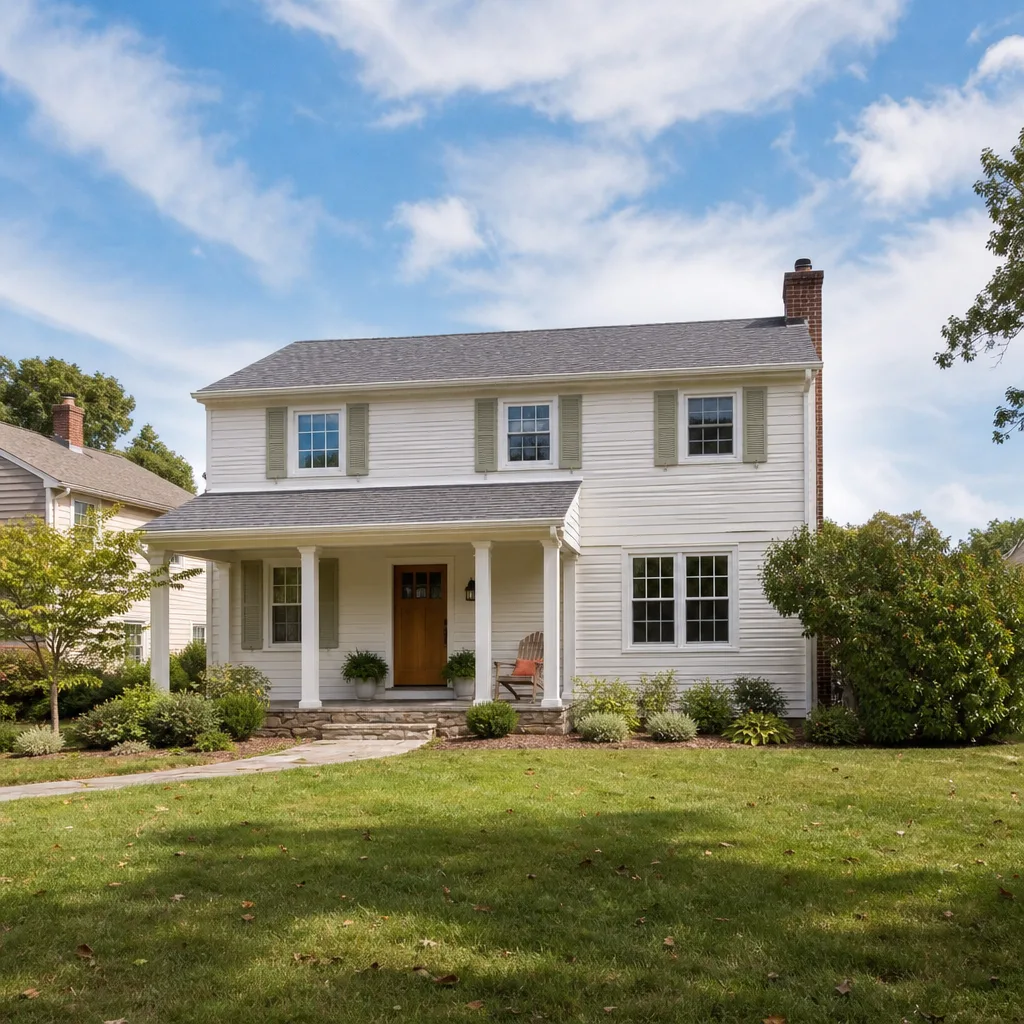
The Casita is the model we see most often in Houston, and it’s the one most owners want to expand. Its 20-foot-by-19-foot footprint leaves room for a side addition or a bump-out, but the roof line and the exterior metal panel system mean any addition has to be flashed and sealed differently than a stick-built house. The larger Boxabl models, where they exist locally, follow the same logic: the factory shell is steel-framed and panelized, so the additions we build need to tie into that frame without creating a thermal bridge or a water path.
If you’re not sure which Boxabl model you have, look at the data plate inside the unit, usually near the electrical panel or on the interior of the entry door. It lists the model name, serial number, and date of manufacture. When you call us, that plate is the fastest way to get the conversation moving. For the addition itself, we spec materials that hold up in Houston’s humidity, meaning treated lumber for sill plates, a peel-and-stick flashing membrane at every roof wall intersection, and exterior cladding from James Hardie or GAF so the warranty travels with the product and your Boxabl doesn’t look like it got a mismatched room stapled to the side.
One compatibility gotcha worth knowing before you plan: Boxabl’s rear wall sits close to the property line on some Houston lots, especially in denser neighborhoods like Montrose or the East End. Setback rules dictate how far an addition can extend, which sometimes changes the design from a rear bump-out to a side wing. This is the kind of thing we verify against Houston’s building code before you spend a dollar on drawings.
KraftMaid and Wellborn cabinets, Cambria and Silestone countertops, and Kohler and Moen fixtures are what we typically install in Boxabl additions, because those brands carry manufacturer warranties you can verify independently. For an ADU with a kitchenette, that matters, because the cabinet boxes and counter surfaces take a beating from renters in a way a primary residence doesn’t.
Styles & brands we work with







Signs Your Boxabl Home Additions & ADU Is Failing
- Water staining where the addition meets the original shell. The joint between the Boxabl’s steel panel system and any framed addition is the most common failure point we see in Houston, largely because our rain comes sideways in the spring. If the flashing wasn’t lapped correctly or the sealant has dried and split, water finds the seam.
- Doors that stick seasonally or won’t latch after a heavy rain. Houston’s clay soil expands and contracts with moisture, and a Boxabl’s steel frame moves differently than a wood-framed addition. A door that binds in July but closes fine in February is usually a foundation or framing connection issue, not a hinge problem.
- Visible gaps opening between the addition’s interior walls and the Boxabl’s original wall plane. Differential settling shows up here first. A quarter-inch gap at the top of the wall that widens over a month means the addition’s footing isn’t moving in sync with the Boxabl’s chassis.
- Condensation or mildew smell inside the addition’s wall cavities or closets. Poor vapor management in a Houston addition shows up as a musty smell before it shows up as a stain. The Boxabl shell is tight, and if the addition’s insulation and vapor barrier weren’t sequenced correctly, moisture gets trapped.
- Electrical flicker or dimming when the addition’s HVAC kicks on. A Boxabl’s electrical panel is sized for the original unit, and an addition with its own minisplit or electric water heater can push the load past what the feeder was designed to carry. This shows up as momentary dimming, not a full trip, and it’s a sign the panel or subpanel needs attention.
See the difference
 Before
 After
After Before
 After
After Before
 After
AfterReplacement Cost & What’s Included
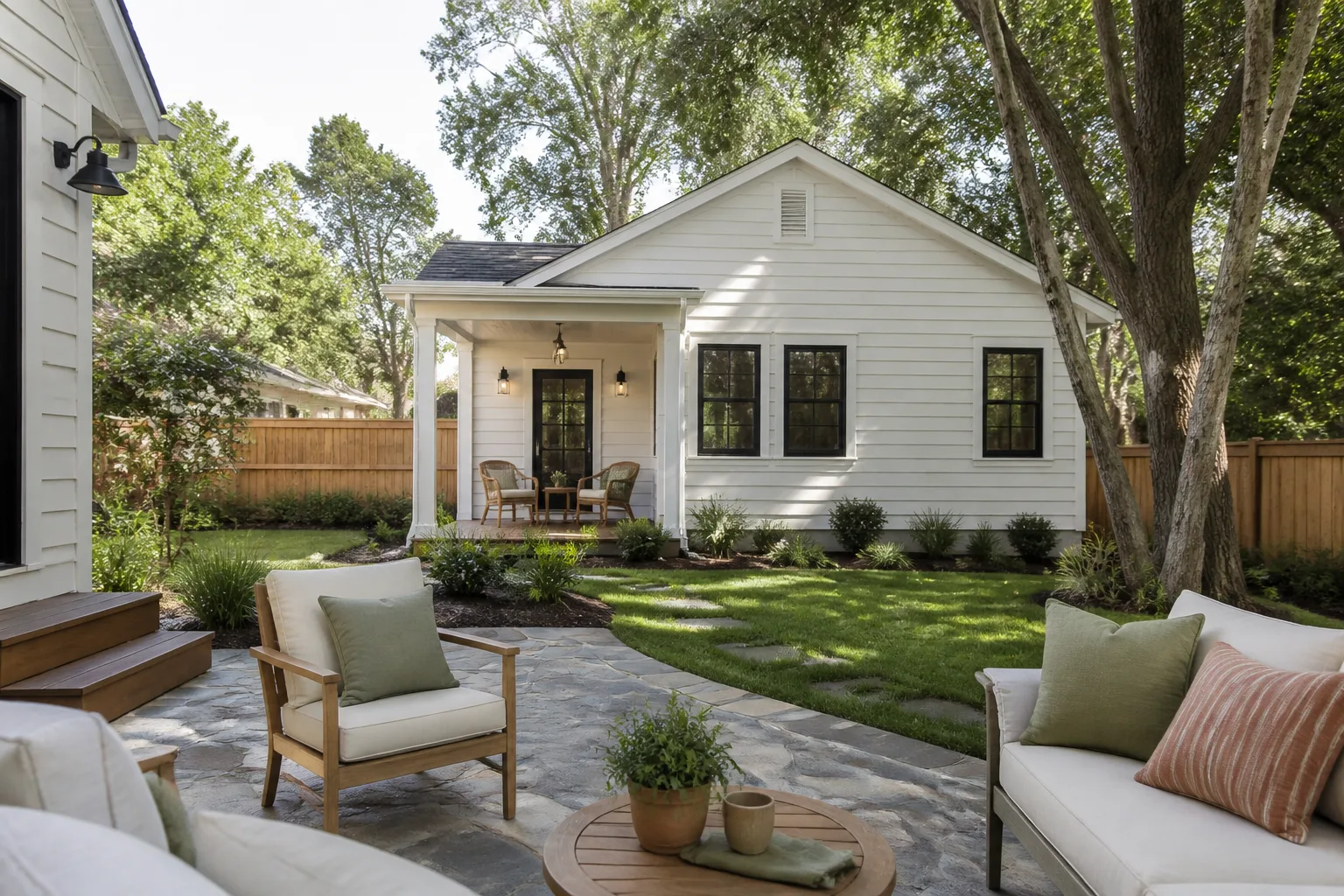
In Houston, a Boxabl-compatible addition falls between $45,000 and $130,000 installed. The range is wide because a 200-square-foot office bump-out with a single minisplit and basic trim sits at the low end, while a full ADU with a kitchenette, bathroom, separate entrance, and upgraded finishes runs to the top. Site conditions drive the number too: pier-and-beam versus slab, how far the addition sits from the property line, whether we need to run a new electrical feeder from the panel, and whether the soil report requires deeper footings than standard.
What’s included in our written price: all labor, all materials, permitting, drawings, and disposal. We name the exact cabinet line, the exact countertop material, and the exact fixture models before you sign anything. You’ll never see a line item called “miscellaneous” or “contingency” without a specific explanation. The 365-Day Done Right Promise covers the completed addition: if something’s not right after the job is done, we make it right. That promise is stamped on every project we do, including Boxabl additions.
DIY or Call Us?
There are things you can safely check on your own. Walk the perimeter after a hard rain and look for gaps between the Boxabl’s exterior panels and the addition’s cladding. Note where water pools near the foundation. Listen for new sounds: a popping nail, a rub, a hum. If you find something, call us and describe it. You don’t need to fix it yourself, and with framing connections, electrical, and waterproofing, you shouldn’t try. The danger isn’t just a mistake that costs money; it’s a mistake that hides inside a wall cavity for two years before the mildew shows up, or a wiring error that turns a light switch into a hazard.
Structural tie-ins, panel feeder work, and roof flashing on a Boxabl addition are not weekend projects. They’re not even most-contractors’ weekend projects, because the Boxabl’s steel frame and panelized shell behave differently than conventional lumber, and the wrong assumption can compound quickly. If you want an honest look at your addition’s condition or you’re ready to plan one, call us at (254) 272-5240 and we’ll send Graham or another experienced member of the team out to talk specifics. The estimate is free, and like every Elmstead Remodeling Houston project, you’ll get a written price before a single tool comes out of the truck.
FAQs
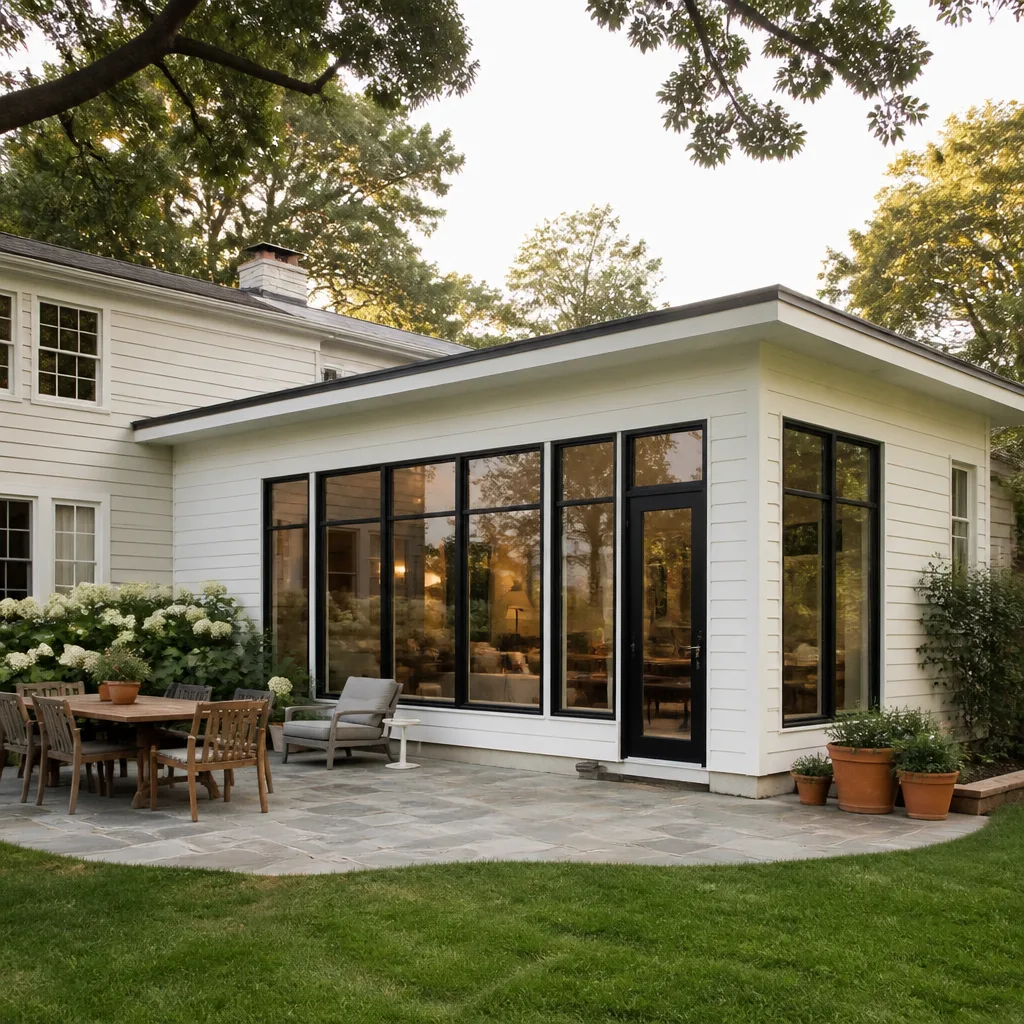
With correct flashing, a properly sized foundation, and materials rated for Houston’s humidity, a Boxabl addition should last 30 to 50 years before major envelope work. The weak link is always the joint between the addition and the Boxabl shell, which is why we use a peel-and-stick membrane at every transition and re-caulk with sealants designed for Houston’s UV and rain exposure. Call (254) 272-5240 if you want us to walk your existing addition and check that joint.
Yes, and repair is usually the right first move unless the framing or footing has moved beyond shimming and re-flashing. Water intrusion at the seam, a settling foundation edge, or an undersized electrical feeder are all repairable without tearing the addition down. We’ll always tell you what a repair would cost versus a replacement, and why, before you commit to anything.
A typical bump-out or small addition takes 8 to 14 weeks from permit approval to final walkthrough in Houston, assuming no major soil surprises. ADUs with plumbing and a full kitchen run 14 to 22 weeks. The pace is set by permitting, inspections, and weather, not by us trying to rush the work, and we’d rather tell you a longer timeline and beat it than the reverse.
We stock the common trim, flashing, sealants, and fasteners we need for Boxabl tie-ins on our trucks, and we order project-specific items like James Hardie siding, Schluter waterproofing, and named-brand fixtures in advance so they’re on site before the crew needs them. For the cabinet and countertop brands we use, including KraftMaid, Cambria, and Silestone, lead times run 3 to 6 weeks depending on the line, and we build that into your schedule up front.
If you’re thinking about a Boxabl addition or ADU in Houston, call us at (254) 272-5240 for a free estimate. We’ll come out, look at what you have, and hand you a written price that names every material and every scope item. A written price and a covered floor before any work begins, that is where the trust starts.
Written by Graham Stein, Owner, Elmstead Remodeling Houston at Elmstead Remodeling Houston, serving Houston and nearby areas.


