




Free written scope consultation - allowances, timeline, and change-order rules on paper before a single trade is scheduled
Blanco Home Additions & ADU: The Houston Owner’s Guide
If you’re looking at a Blanco home addition or ADU in Houston that’s failing, here’s the short version: a full addition typically runs $45,000 – $130,000 installed in this market, and the most common failure points we see are foundation settlement at the tie-in, roof flashing leaks where the new roofline meets the original, and improper moisture barriers under slab-on-grade pours. ADU construction, which carries its own structural and permitting requirements in Houston, sits in the $90,000 – $220,000 range. Most owners discover the problem the same way: a crack opens at the seam where the addition meets the original exterior wall, or water shows up at the transition after a heavy Houston rain.
We’re Graham Stein and the team at Elmstead Remodeling Houston. We service these failures and we also do the work right the first time when you’re ready to add on. If you have a Blanco-branded addition or ADU component that’s underperforming (window packages, door systems, cabinetry installed as part of a Blanco build, or the structural envelope itself), we’ll give you a written price before any work starts. That’s not a courtesy. It’s how we run every job.
Which Blanco Models This Applies To
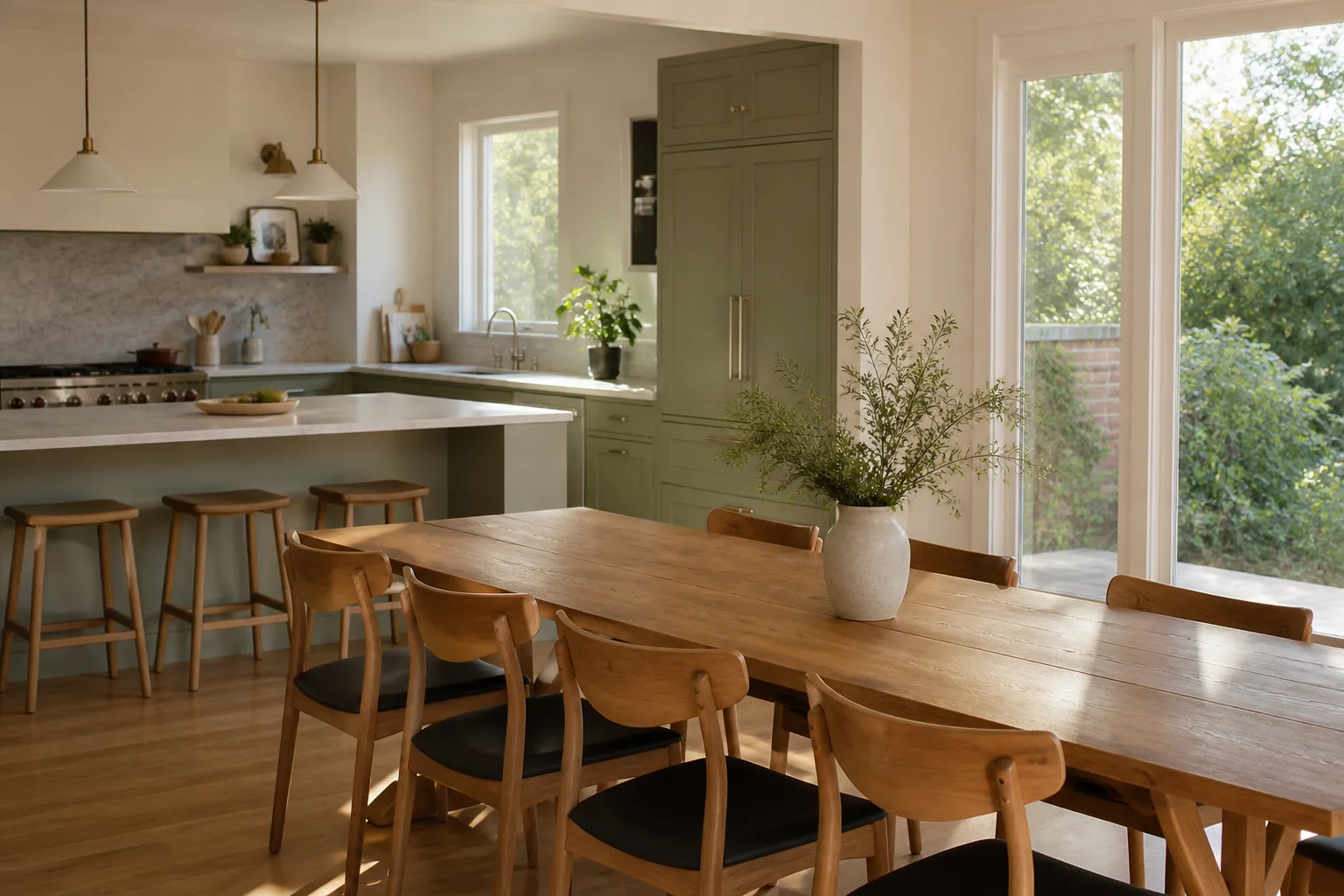
Blanco as a brand doesn’t manufacture structural additions or ADU kits the way it manufactures sinks and faucets. In the Houston market, “Blanco Home Additions & ADU” typically refers to projects where Blanco fixtures, Blanco Silgranit sinks, Blanco faucets, or Blanco kitchen systems were spec’d into a larger addition or accessory dwelling unit during the original build. The failing component is usually the structural envelope, the tie-in, or the mechanical rough-in, not the Blanco fixture itself. So when someone says “my Blanco ADU is failing,” nine times out of ten in Houston what they mean is: the addition’s slab has moved, the roof flashing at the tie-in has pulled away, or the original contractor didn’t flash the wall-to-roof intersection correctly. Sometimes it’s simpler: the Blanco sink or faucet inside the ADU is fine, but the cabinetry it’s mounted into wasn’t anchored to a wall that was properly tied to the addition’s framing.
What we’ve learned running jobs from Meyerland to the Energy Corridor: the Blanco components are rarely the thing that fails. The integration around them does. We’ve pulled Blanco Silgranit sinks out of ADU kitchens where the failure was the countertop substrate underneath, swollen from a window leak the original crew never sealed. If you’re trying to pinpoint whether your issue is the Blanco product or the addition around it, start by checking the transition points: where the roof line changes, where the new slab meets the old slab, and where framing intersects the original exterior wall. Those are the seams that fail first in Houston’s clay soil and humid air.
Styles & brands we work with







Signs Your Blanco Home Additions & ADU Is Failing
- A crack at the slab transition or a door that suddenly rubs. Houston’s gumbo clay expands and contracts with moisture, and additions poured on piers rather than a properly engineering slab can separate. If one door in the addition starts sticking while others don’t, that’s not humidity. That’s movement.
- Water staining at the ceiling or wall where the addition meets the original roofline. This is the #1 Blanco-related call we get. The flashing detail at the tie-in wasn’t lapped correctly, and Houston’s heavy rain finds it within a season or two.
- Mold smell inside the ADU that gets worse after rain. This usually means the moisture barrier under the slab is compromised, or exterior drainage isn’t moving water away from the foundation. In a Houston summer, that smell doesn’t fade. It grows.
- Blanco sink or faucet loose in the countertop, or cabinet doors no longer closing flush. A well-integrated Blanco fixture shouldn’t move. When it does, the failure is usually in the installation: improper bracing, water damage to the cabinet box, or shifting from the structural problem above.
- Windows or doors in the addition that fog between the panes or won’t latch. Failed seals and misaligned frames are often the first visible sign that the addition’s framing has moved enough to stress the window package. In Blanco-spec’d additions, the windows are typically good. The rough openings around them sometimes aren’t.
See the difference
 Before
 After
After Before
 After
After Before
 After
AfterReplacement Cost & What’s Included
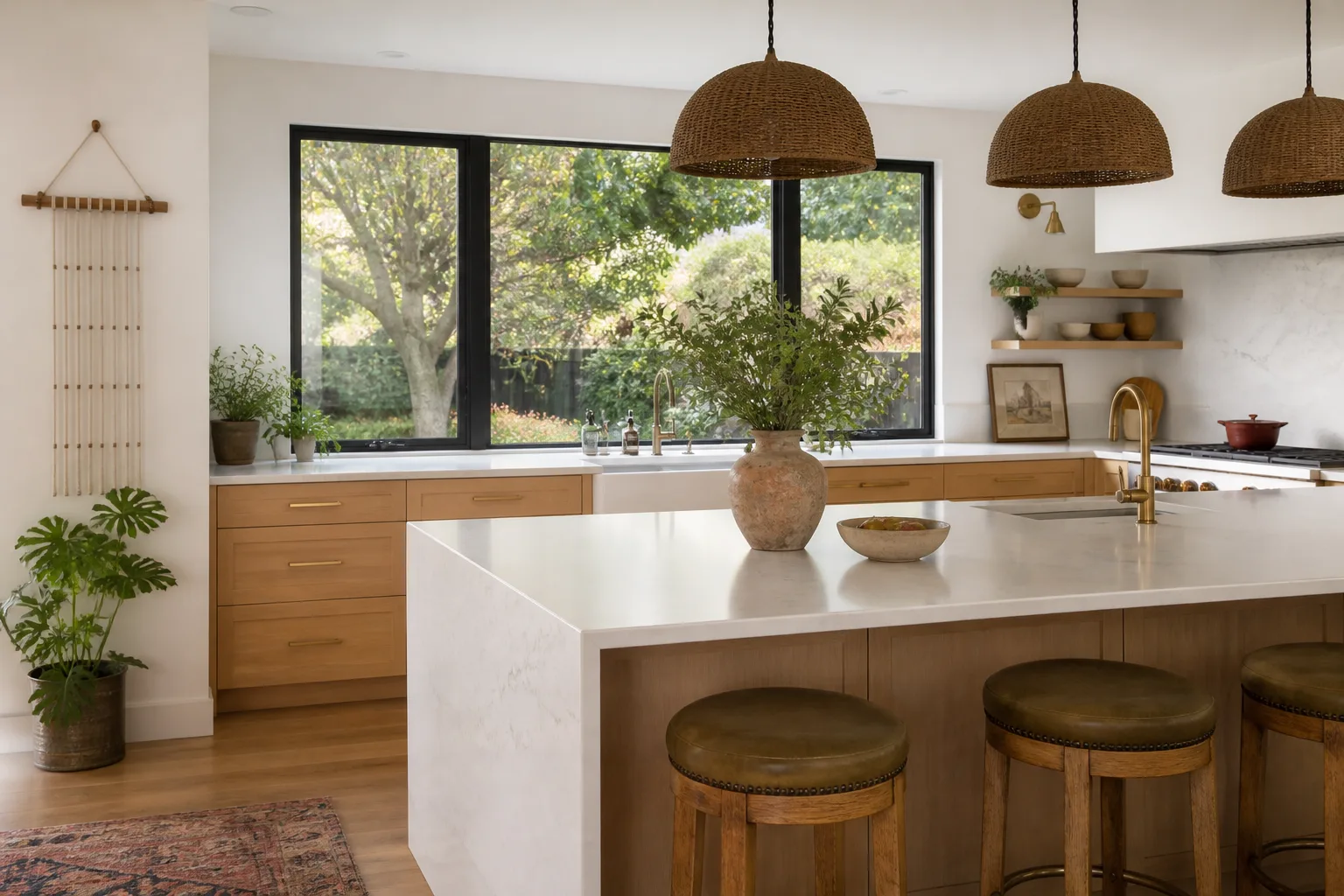
For a home addition in Houston, plan on $45,000 – $130,000 depending on whether you’re adding a single room or a multi-room expansion with plumbing. ADU construction runs $90,000 – $220,000 because it includes separate utility runs, a small kitchen or bath, and often its own foundation pour. Garage conversions, which are one of the most common ADU paths in Houston, land at $30,000 – $80,000. But if you’re calling about a failed Blanco addition rather than a new build, the repair scope is narrower: flashing repair at the tie-in may be a few thousand dollars. A slab issue is a different conversation entirely.
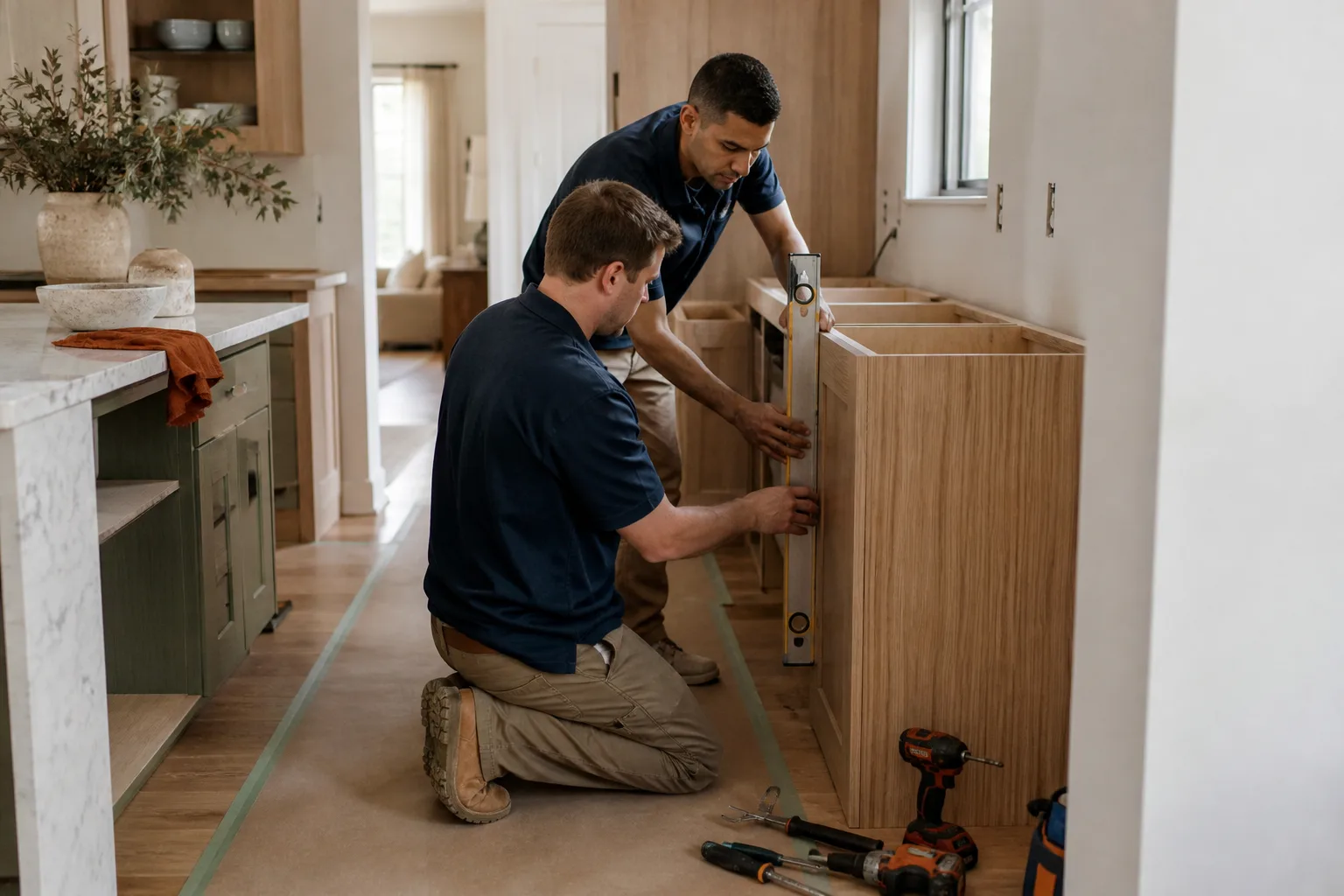
Every price we give is written, line by line, before the crew arrives. You’ll see exactly what the materials cost, what the labor cost is, and what’s included: drop cloths on the floors and shoe covers at the door as standard, a clean-up photo before we leave, and the 365-Day Done Right Promise on the completed repair. No estimate that grows after the crew shows up. Ever.
DIY or Call Us?
Two things you can safely check on your own. First, caulk and sealant around the Blanco sink and countertop. Cracked caulk is normal wear and easy to redo. Second, the flashing at roof-to-wall transitions: if you can safely inspect from a ladder (you’re comfortable with heights, the roofline is single-story, and you’re not on a wet surface), you might see obvious gaps or lifted shingles. That tells you what to tell us when you call.
You should not attempt to repair structural framing, reset a shifting slab, or rework a roof tie-in yourself. Those repairs involve load-bearing members, and a wrong cut or a missed flashing lap means the same problem comes back next storm, only worse. We’re not giving you a scare tactic here. We’re telling you what a contractor in Houston sees every month: DIY repair work at the tie-in that held for a year and then failed at the worst possible time. If you’re seeing movement, water, or mold, call us at (254) 272-5240. We’ll come look, and you’ll get a written repair price before any work starts.
FAQs
In Houston, a correctly built addition with proper flashing, an engineered slab, and sealed transitions should last 20 – 30 years before the envelope needs real work. The problem is that incorrect flashing at the tie-in can fail within two years, particularly with our heavy seasonal rain and clay-soil movement.
Yes, in most cases. Flashing failures, seal failures, and cabinet or countertop issues around Blanco fixtures are repairs. Structural issues like a moving slab or compromised tie-in framing may require partial replacement but rarely require tearing down the whole addition. Call (254) 272-5240 and we’ll tell you honestly which one you have.
A flashing or seal repair is typically one to two working days. A full home addition in Houston runs eight to sixteen weeks depending on scope and permitting. An ADU typically takes four to eight months from permit to final inspection. We’re happy to give you a written schedule before work starts.
We work with named-brand partners including KraftMaid, Cambria, Silestone, and others, so in most cases we can match the quality level and warranty of what was originally installed. We do not claim to stock every Blanco faucet or sink model on the truck; we’ll assess what you have and source the match, with the price on paper before work begins.
If your Blanco home addition or ADU is failing in Houston, don’t keep wondering if it’ll make it through the next storm. Call (254) 272-5240. We’ll arrive, we’ll look, and you’ll get a written price and a covered floor before any work begins. That is where the trust starts.
Written by Graham Stein, Owner, Elmstead Remodeling Houston at Elmstead Remodeling Houston, serving Houston and nearby areas.


