

Free written scope consultation - allowances, timeline, and change-order rules on paper before a single trade is scheduled
James Hardie Kitchen Remodeling: The Houston Owner’s Guide
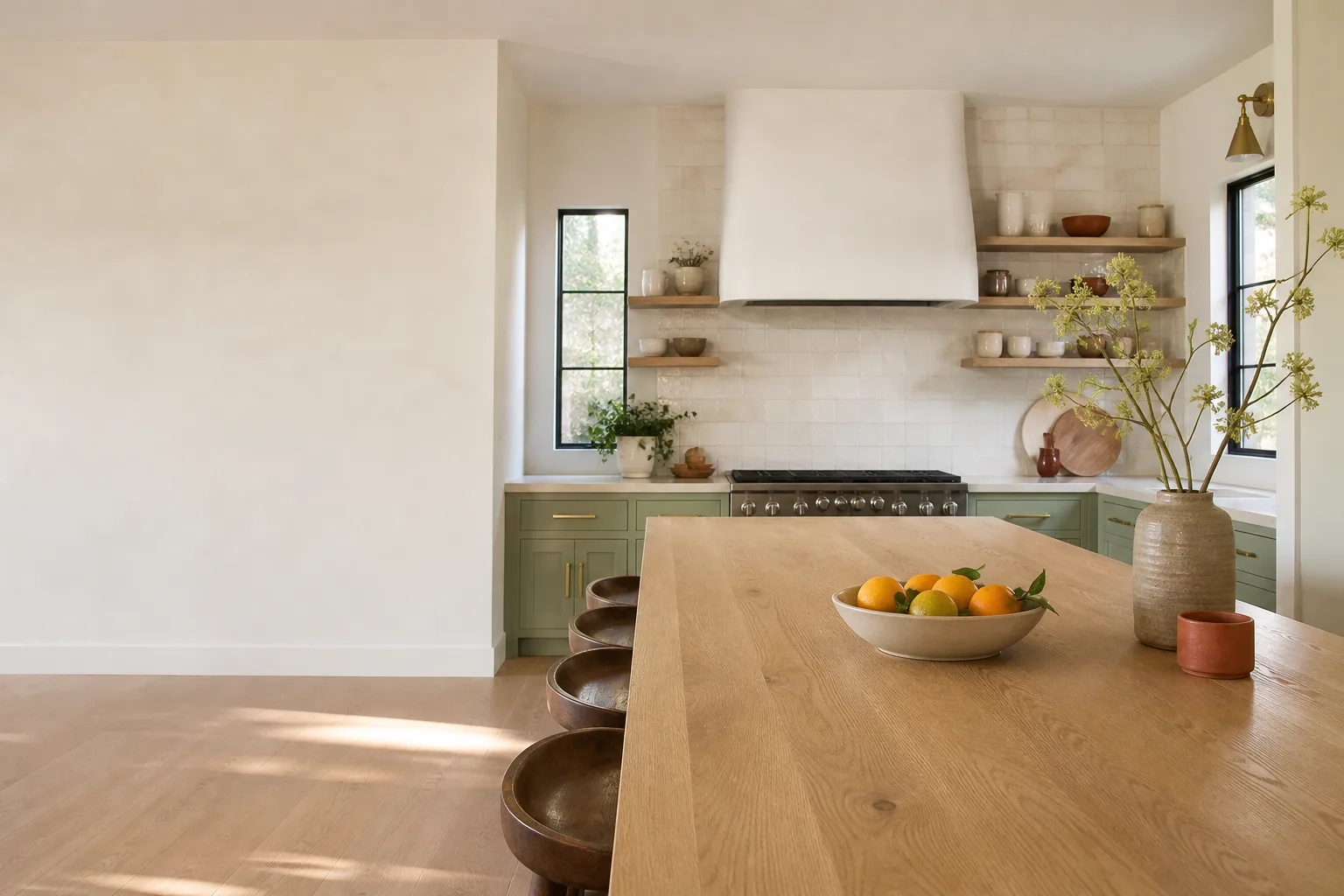
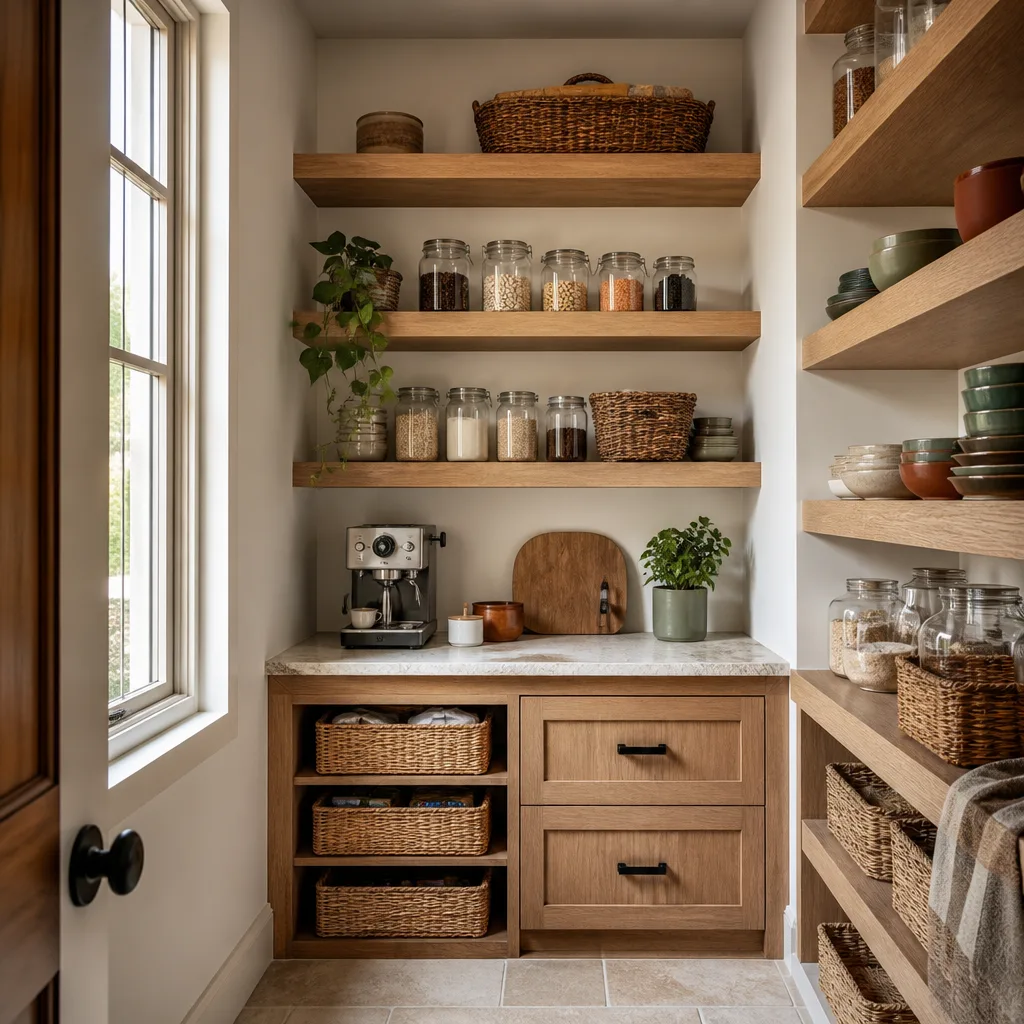
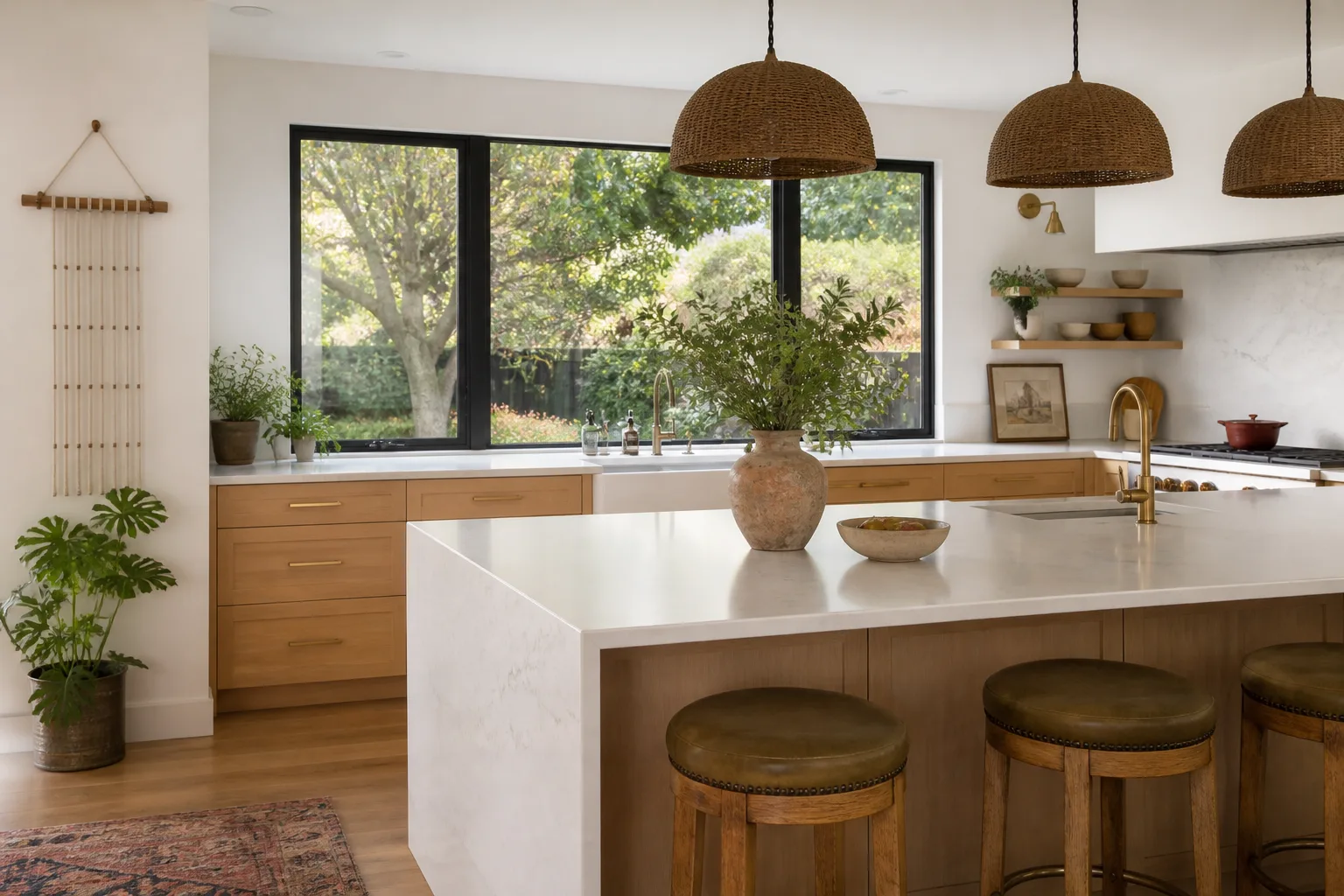
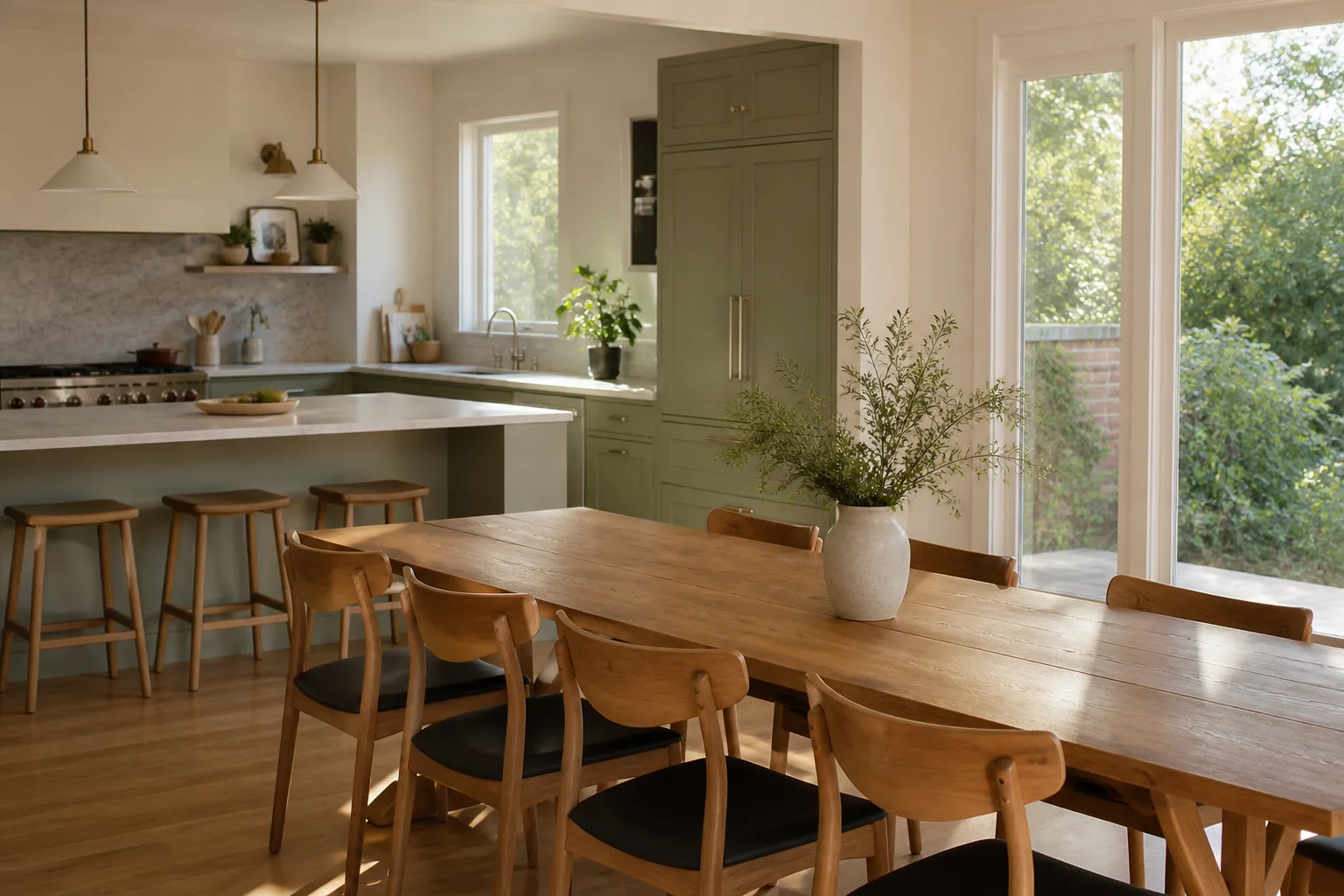
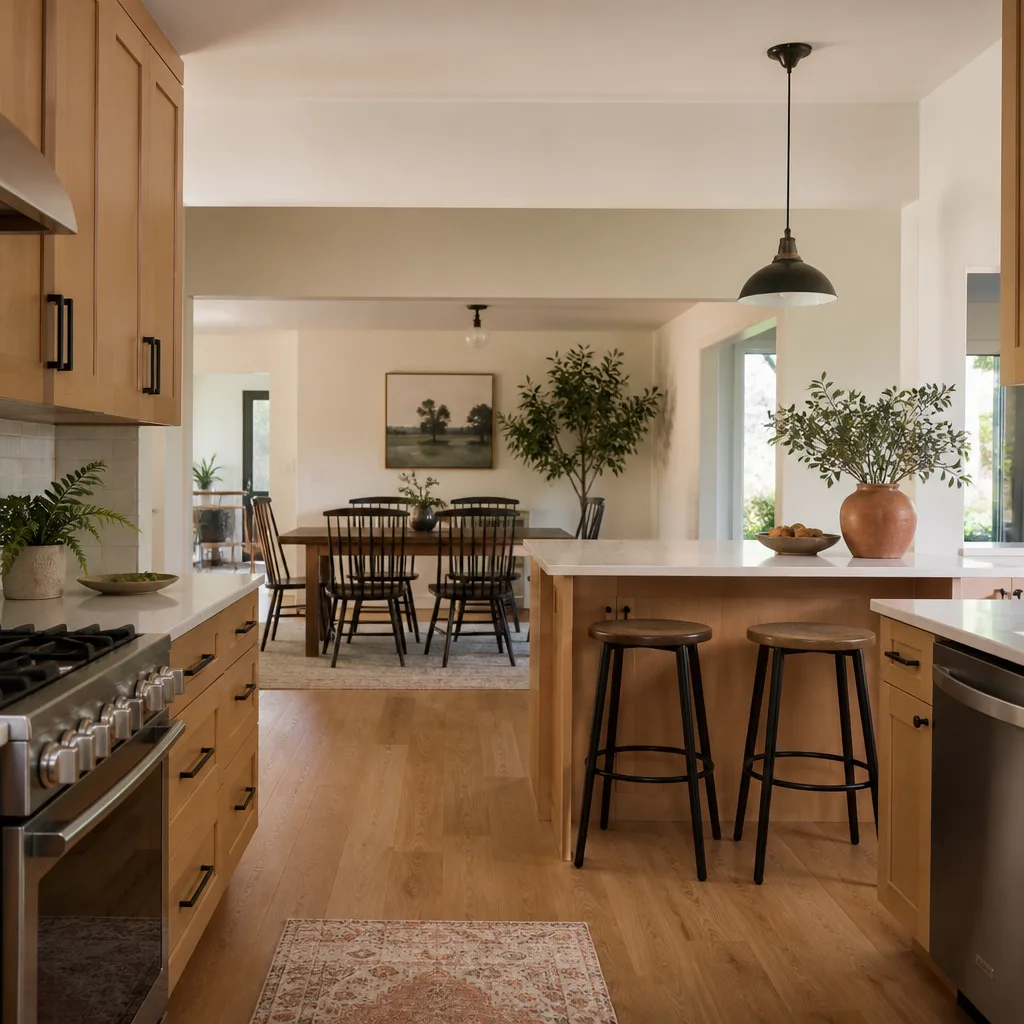
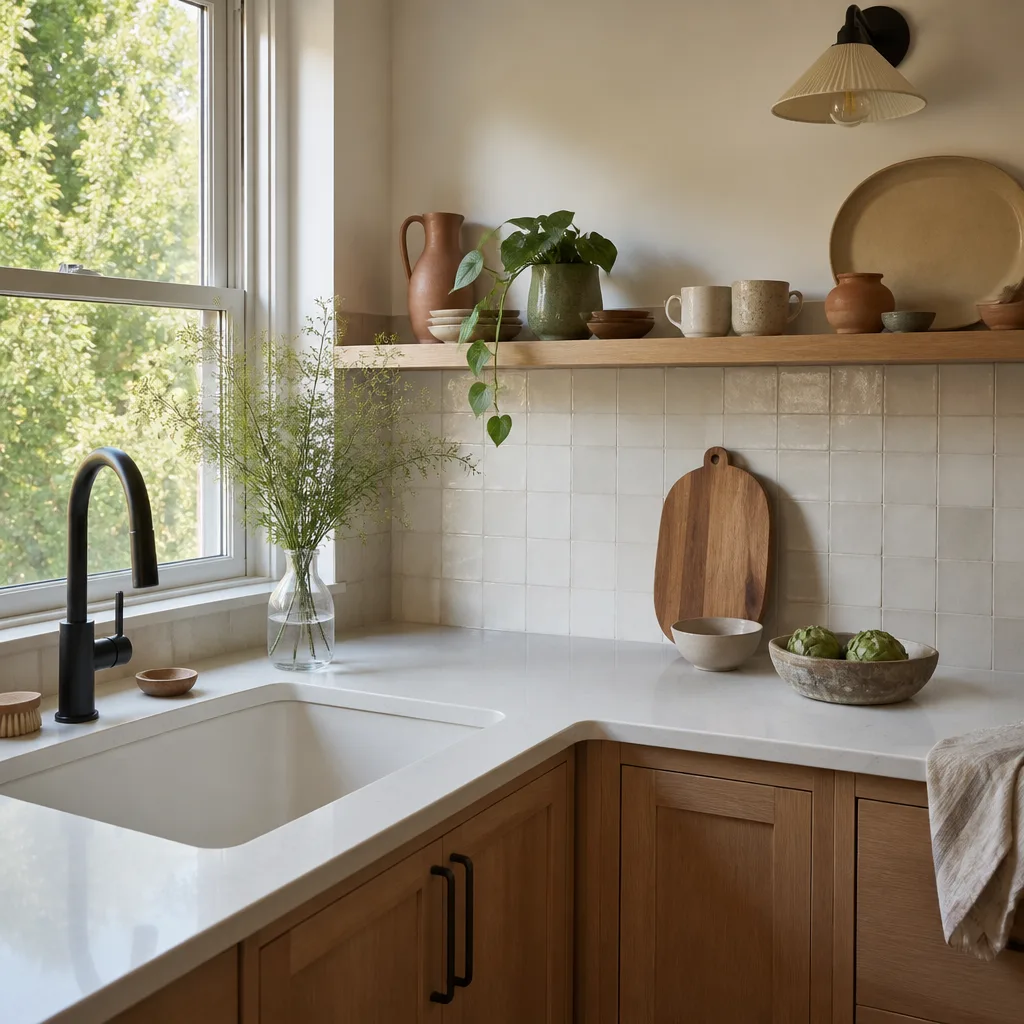
If you’re planning a kitchen remodel in Houston and want James Hardie materials as part of it, a full project typically runs $14,000 – $45,000 depending on the size of the kitchen, the cabinet line you choose, and how much structural work the room needs. We stock and install James Hardie-compatible trim, siding, and interior panel products alongside KraftMaid cabinetry, Cambria and Silestone countertops, and the fixtures that tie the room together. Most homeowners discover they need this level of work when a specific part has failed: a water-damaged cabinet run, a cracked backsplash, a countertop that’s delaminated, or exterior-adjacent walls where a previous Hardie install wasn’t flashed correctly and moisture got in. The failure usually shows up first at the seams, the corners, or around the sink base.
What we’ve learned from Houston kitchens over the years is that the failure is rarely the product itself. James Hardie’s fiber cement is genuinely well-suited to this climate, the humidity, the heat, the occasional freeze. The failure is almost always in how a previous job was cut, flashed, installed, or sealed. That’s the part we pay attention to.
Which James Hardie Models This Applies To
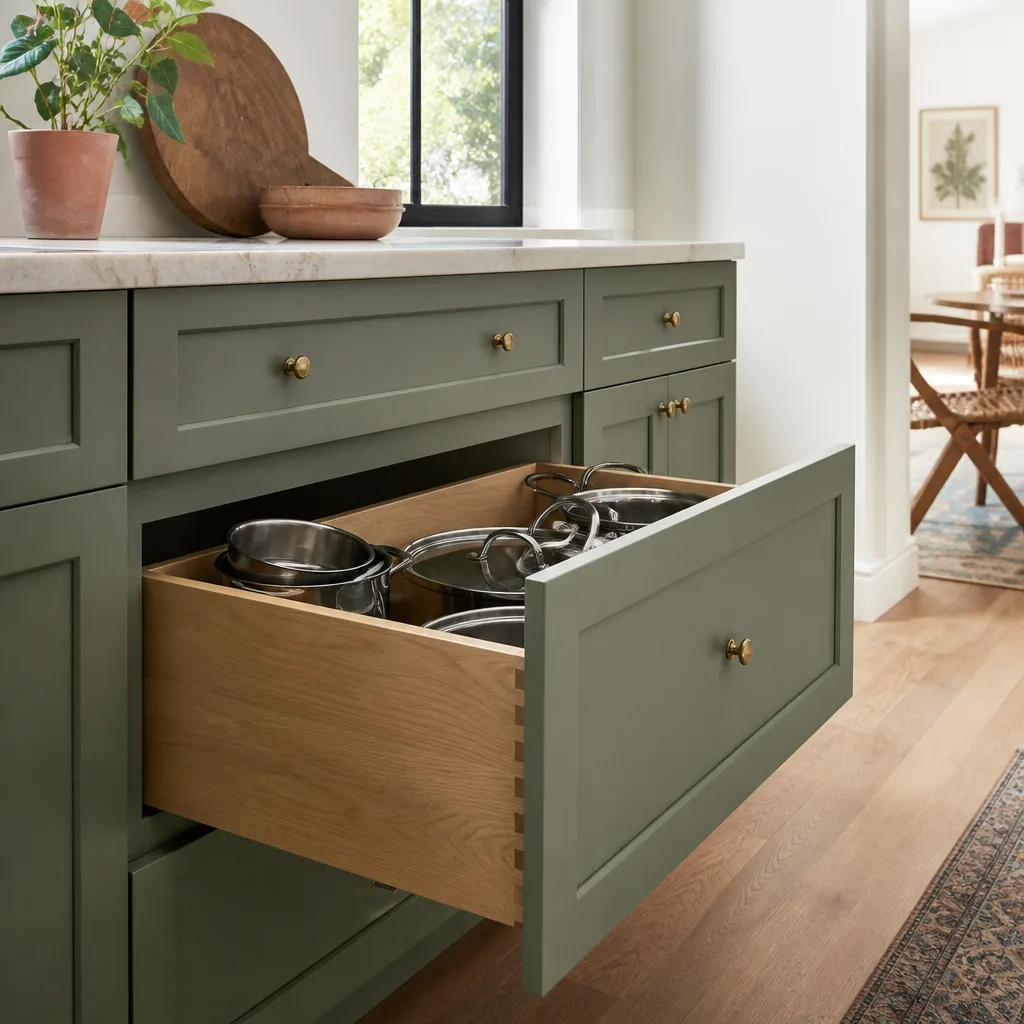
James Hardie makes a number of products that end up in or adjacent to Houston kitchens. The one we see most often in remodeling work is HardieBacker cement board, in both the 1/4-inch and 1/2-inch versions, used as a tile substrate behind backsplashes and under floors. You’ll also see HardiePanel and HardiePlank on exterior-adjacent kitchen walls, particularly in homes where the kitchen butts up against a patio or an exterior entry. Occasionally we’ll work with Hardie’s Aspyre or Reveal panel lines when the client wants a cleaner finished edge on an accent wall.
Here’s the compatibility gotcha that owners should know: HardieBacker thickness determines the tile height at the transition. If your existing backsplash was installed over 1/2-inch board and you replace it with 1/4-inch board, your finished tile will sit lower than the wallboard adjacent to it, creating a visible step at the edge. The reverse is also true. We measure before we order so the new surface lands flush. The second gotcha: HardieBacker needs alkaline-resistant mesh tape and thin-set at the seams, not standard drywall mud. That’s a small detail that a surprising number of previous installs have missed, and it’s why we see cracked grout lines in Houston kitchens where the substrate was treated like drywall.
When it comes to OEM versus aftermarket, James Hardie doesn’t license third-party alternatives for its fiber cement board. What you’ll find at Houston supply houses is genuine Hardie product, and we buy it the same way. Where aftermarket matters is the tile, the grout, the cabinetry, and the fixtures that go on top of it. There we use named brands with real manufacturer warranties: KraftMaid and Wellborn cabinets, Cambria and Silestone countertops, Kohler and Moen fixtures, Schluter at the wet transitions. The Hardie board is the substrate. The materials on top of it are what you touch every day.
Styles & brands we work with







Signs Your James Hardie Kitchen Remodeling Is Failing
Here’s what we see in Houston kitchens, symptom by symptom, when a previous Hardie installation is starting to go:
- Cracked grout lines in the backsplash, especially near windows or corners. This usually means the HardieBacker seams were taped with drywall mud instead of alkaline-resistant tape, or the board wasn’t properly fastened to the studs. Houston’s humidity causes the board to expand and contract slightly; if it can’t move as one panel, the stress shows up in the grout.
- Soft spots or “bounce” in the floor tile in front of the sink or dishwasher. The subfloor may not have been prepped to Hardie’s spec, or the board wasn’t screwed on the recommended schedule. Water wicks through, the board degrades, and the tiles start to move.
- Swollen or discolored base cabinets along an exterior wall. If the HardiePlank or HardiePanel on the outside corner wasn’t flashed or sealed correctly, Houston’s heavy rain plus the kitchen’s interior temperature differential pushes moisture against the back of the cabinets. We see this in Bellaire and Westbury kitchens where an exterior kitchen wall meets a patio cover.
- Mold or musty smell coming from behind the lower cabinets. This is the hardest one to catch early because the cabinets hide it. By the time you smell it, moisture has been sitting behind the run for months. The source is almost always a compromised substrate or a failed seal at the bottom plate, not the cabinet itself.
- Loose or falling tiles around the exhaust hood or vent pipe. Vibration from the fan, combined with heat cycling and an improperly anchored HardieBacker edge, will work tiles free over a couple of years. It’s one of the most common failure points in Houston kitchens with gas cooktops, and it’s easy to spot at eye level.
See the difference
 Before
 After
After Before
 After
After Before
 After
AfterReplacement Cost & What’s Included
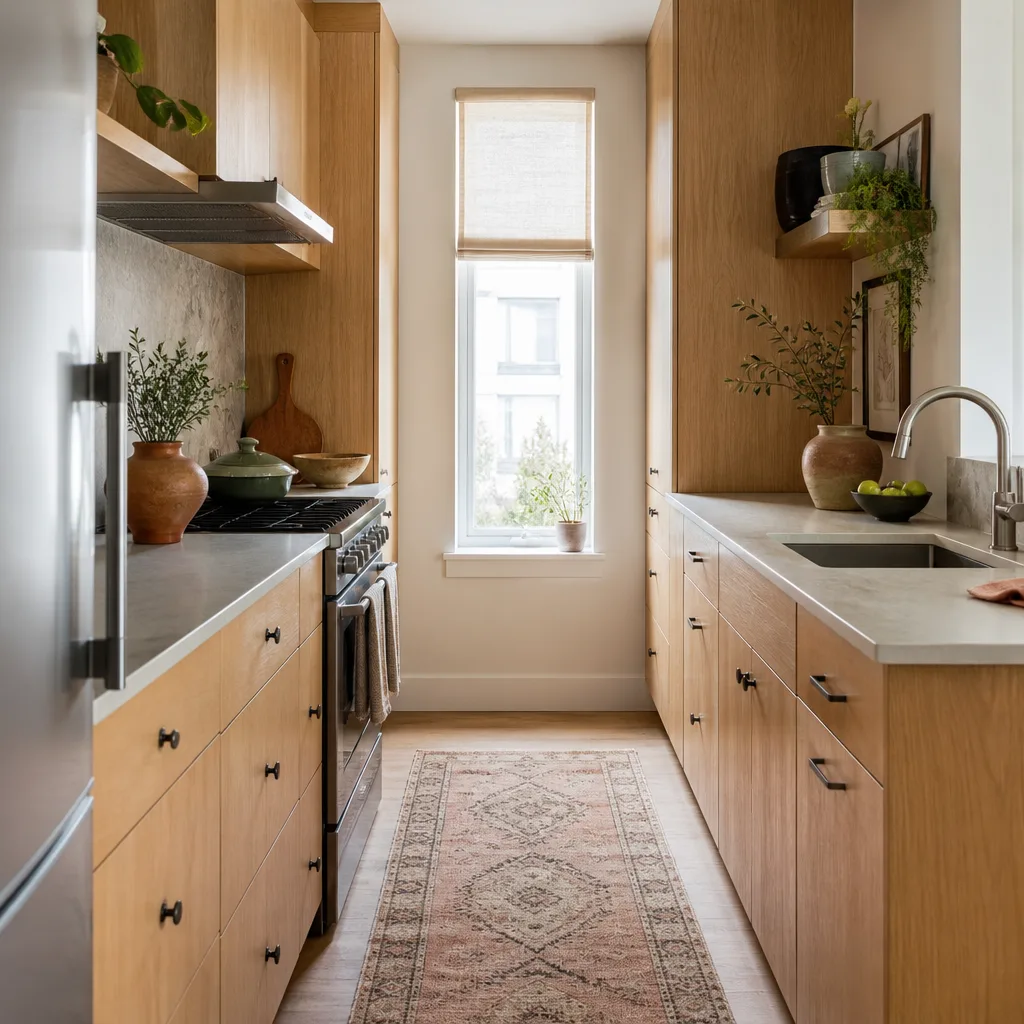
For a James Hardie kitchen remodel in Houston, here’s the range we give every client, in writing, before any work starts:
| Scope | Typical Houston Range |
|---|---|
| Full kitchen remodel with James Hardie substrate | $14,000 – $45,000 |
| Smaller kitchen (under ~150 sq ft) | $9,000 – $20,000 |
| Cabinet installation alone | $4,000 – $13,000 |
| Countertop installation alone | $2,000 – $6,500 |
| Backsplash replacement over HardieBacker | $800 – $2,500 |
| Island buildout with Hardie substrate | $3,000 – $10,000 |
What moves the number within those ranges: how much HardieBacker needs to come out and be replaced, whether the underlying framing is sound, the cabinet line (KraftMaid is our mid-range, Wellborn runs higher, and both carry factory warranties), and the countertop choice. Cambria and Silestone quartz sit at the higher end of the countertop range but hold up longer in a Houston kitchen that sees daily cooking. Every price we give is written before the first tool comes out of the truck. No change orders if the crew finds something behind the wall. We tell you what we found, we price it, you approve it first.
The 365-Day Done Right Promise covers the finished project. If something isn’t right a year later, a cracked grout line, a loose edge, a door that’s drifted, we make it right. That’s the whole promise.
DIY or Call Us?
Here’s the honest split. What you can safely check yourself: look for cracked grout, feel for soft spots in the floor, note where the cabinets meet an exterior wall and whether the paint is bubbling or the wood is swollen. Take photos, measure the affected areas, and know what you’re looking at before you call anyone. That helps you get an honest read on the scope.
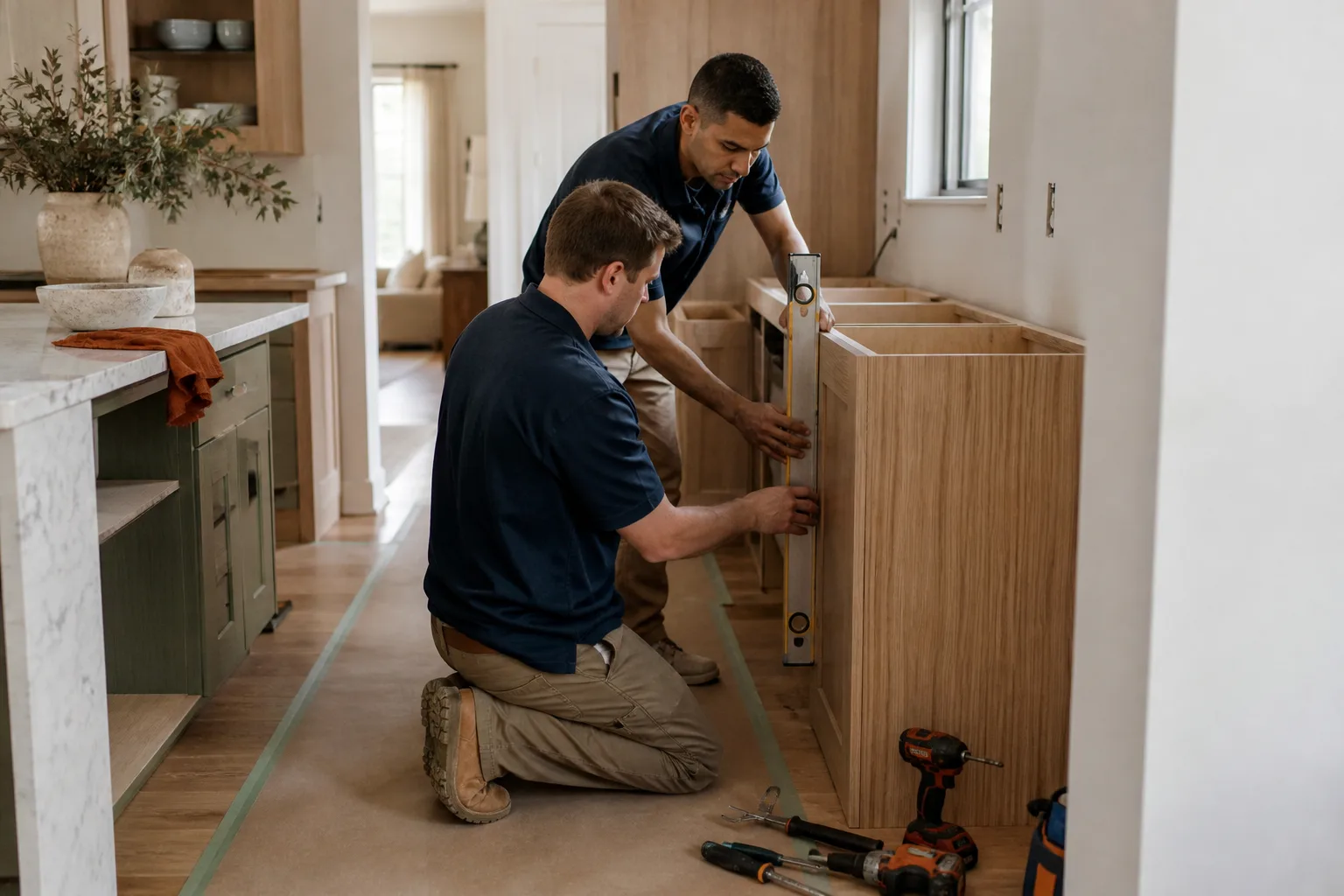
What we’d caution against doing yourself is anything involving the removal of HardieBacker board, particularly near plumbing or electrical. Cutting and pulling fiber cement produces silica dust, and doing it safely requires the right respirator, the right air control, and the right fastening schedule when the new board goes back. The framing behind a failed kitchen wall in Houston often has moisture damage that isn’t visible until the board is off. We’ve opened walls in Meyerland expecting a simple substrate swap and found the bottom plate needs replacing. That’s not a weekend project.
If you want to talk it through first, call us at (254) 272-5240. We’ll tell you what we think over the phone, a real person answers, and if it makes sense, we’ll come look. No charge for the visit. No pressure either way.
FAQs
A properly installed Hardie substrate in a Houston kitchen should last 25 to 30 years or more, but the tile, grout, and caulk above it will need periodic touch-ups much sooner. Houston’s humidity swings and the heat from cooktops put wear on the surface layer first. Call (254) 272-5240 and we can tell you if what you’re seeing is normal aging or a substrate problem.
In some cases, yes. If the board is dry, intact, and properly fastened, we can repair the surface layer, re-tape the seams with the right mesh, and re-tile over it. If the board has been wicking water or if the fasteners are loose, patching it will fail again. The only way to know is to open it up, and we’ll tell you before we do. Call (254) 272-5240 to schedule a look.
Most Houston kitchen remodels we handle run two to six weeks depending on scope, and a substrate replacement at the start of the job typically doesn’t extend the timeline by much. We set quiet hours for the crew where possible, keep drop cloths down throughout, and walk you through the end-of-day state of the room every evening. Call (254) 272-5240 for a written estimate and we’ll give you a realistic schedule up front.
We stock HardieBacker in both 1/4-inch and 1/2-inch on our trucks in Houston, along with alkaline-resistant tape, the correct fasteners, and the thin-set we use on Hardie seams. If a job needs HardiePlank or HardiePanel for an exterior-adjacent wall, we order it from our Houston supplier and it’s usually on site within a day or two. Call (254) 272-5240 and we’ll tell you exactly what we have before we arrive.
Written by Graham Stein, Owner, Elmstead Remodeling Houston at Elmstead Remodeling Houston, serving Houston and nearby areas.


