

Last updated October 15, 2026




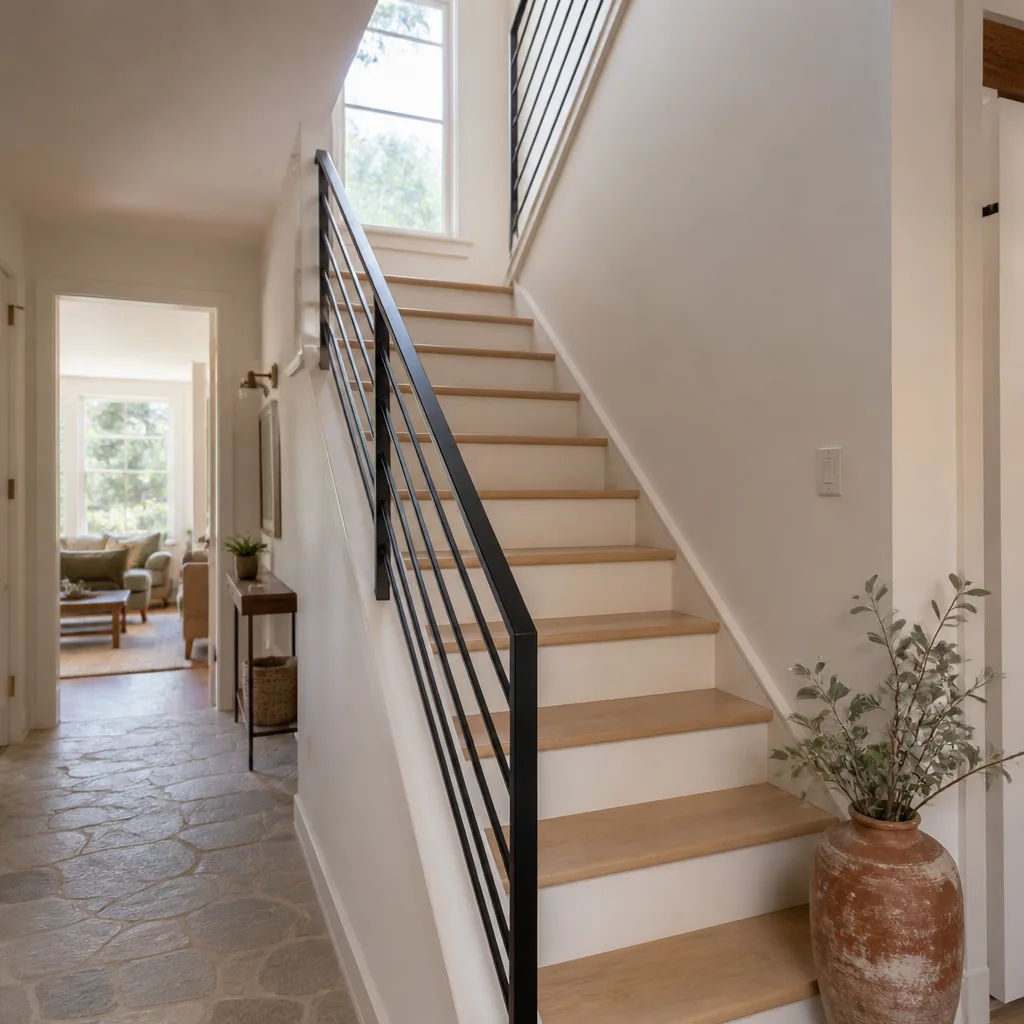



Free written scope consultation - allowances, timeline, and change-order rules on paper before a single trade is scheduled
How to Hire a Construction Contractor in Houston: A Step-by-Step Guide
When three Houston contractors bid the same kitchen remodel and the quotes come back at $38,000, $52,000, and $61,000, the gap usually isn’t profit margin. It’s what the lowest bidder left out of scope and what you’ll pay for in change orders later. This guide walks you through the hiring process in the order that actually protects you: scope clarity and written protections first, price comparison last. If you’re planning a general contractor in Houston project, the sequence below will save you money and months of frustration.
Quick Answer
To hire a construction contractor in Houston, start by writing a detailed scope document that names every room, material, and finish level, then verify each candidate’s Texas Department of Licensing and Regulation standing, and finally compare written quotes that price the same scope. The most important step is demanding a written price before any work starts, because a contractor who won’t commit to one is telling you ahead of time how the change orders will go. For a deeper look at the full process, see our Complete Guide to Construction in Houston.
Styles & brands we work with







Table of Contents
- Write the Scope Document Before You Pick Up the Phone
- Verify Licensing Through the TDLR Database
- Shortlist Three Contractors, Not Seven
- Review Five Contract Clauses That Protect Houston Homeowners
- Interview References With Questions That Reveal the Truth
- Post-Hurricane and Post-Freeze Red Flags
- Compare Prices Only After Scope Is Locked
Write the Scope Document Before You Pick Up the Phone
Most Houston homeowners invite bids before they’ve written down what the job actually includes. That’s backwards. When three contractors each interpret “redo the kitchen” differently, you get three price points that tell you nothing. A scope document forces every bid to cover the same ground. Here’s how to write one in under an hour.
Start with a list of rooms. Then for each room, name the materials you expect. If you’re replacing a bathroom, write “Kohler or Moen fixtures” not “nice fixtures.” If you’re doing a bathroom remodeling in Houston project, specify whether the shower will be tiled with Schluter waterproofing or use a prefabricated Sterling unit. That single decision changes the material cost by thousands.
Then define the finish level. Write down whether cabinets are stock, semi-custom, or full custom. Name the countertop material: Cambria quartz, Silestone, or granite. Note the flooring type and whether you want real hardwood or engineered. If you don’t know the difference, say “engineered hardwood, mid-grade” and let the contractor fill in the brand.
Finally, list what’s not included. Who handles the dumpster? Who patches drywall after the plumber leaves? Who moves furniture? A scope document that answers these questions prevents the line item that appears on one bid and disappears on another. Without this document, Houston contractors are pricing different jobs and calling it a bid.
Write it down in plain language. It doesn’t need to be a legal document. It needs to be specific enough that a contractor can’t claim the job “changed” because you assumed crown molding was standard.
Verify Licensing Through the TDLR Database
Texas licenses contractors through the Texas Department of Licensing and Regulation, and the TDLR database is the first place to check. But here’s what most guides don’t tell you: the TDLR only covers specific trades. Electricians, HVAC technicians, and plumbers are licensed. General contractors who coordinate those trades often are not.
Houston has no city-level contractor license requirement, which means the burden falls on you to verify what a contractor claims. Ask for the TDLR license number for any electrical, plumbing, or HVAC work, and run it through the database yourself. A Houston contractor who hesitates to give you a number you can verify is already showing you how documentation will go on your project.
Beyond licensing, verify insurance directly with the carrier. Ask for a certificate of insurance and call the number on it. Confirm the policy covers the dates of your project and that the limits match what the contractor stated. A certificate someone hands you is a promise. A phone call to the carrier is a verification.
For the general contracting layer, ask about the company’s structure and oversight. Elmstead Remodeling Houston is a Cedarwell company, and every project is governed by the Cedarwell Care Promise: shoe covers and drop cloths inside the house, a written price before any work starts, a photo of the clean-up before the crew leaves, quiet tools during family rest hours where possible, and pet-safe product choices where available. That’s a verifiable operating standard, not a slogan.
Shortlist Three Contractors, Not Seven
The instinct to gather six or seven bids feels thorough, but it works against you. More bids means less time spent with each contractor, thinner written scopes, and more pressure to decide on price alone. Three candidates, each vetted through the licensing and insurance steps above, gives you enough comparison without diluting your attention.
Here’s the process we recommend, in order:
- Write the scope document first. Refer back to the section above. This is the document every bid will respond to.
- Ask each contractor to walk the project with you. A contractor who shows up and asks questions about the room before talking price is reading your scope. One who quotes from the curb is guessing.
- Request a written quote within one week. A contractor who can’t produce a line-item written price in that time is telling you how change orders will go.
- Compare the quotes side by side. Mismatched line items reveal what each contractor missed or assumed. Call and ask about the gaps.
The point of three bids isn’t to find the cheapest. It’s to pressure-test each contractor’s attention to detail. When one quote includes a line for floor protection and the other doesn’t, the gap is the profit the second one will try to recover later.
Ask each candidate how they handle the things your family actually lives with. We find that Houston families with children and pets care more about the daily logistics than the final photo. A contractor who names the drop cloths, the shoe covers at the door, and the quiet hours during nap time is thinking about your home as a home, not a job site. If they look confused when you ask about pets, that’s information.
Review Five Contract Clauses That Protect Houston Homeowners
Most contracts protect the contractor. Here are five clauses that shift the protection back to you, and they are all reasonable asks. A contractor who refuses any of them is telling you how the end of the project will go.
- Lien waiver on final payment. This clause confirms that when you pay the final invoice, you’re released from any future claim by a subcontractor or supplier. Without it, a subcontractor who didn’t get paid can file a mechanic’s lien against your Houston home, and you’ll be the one sorting it out.
- Named-brand material specifications. “Quality cabinets” is a placeholder. “KraftMaid or Wellborn cabinets, semi-custom, with soft-close hinges” is an enforceable line item. The same applies to countertops (Cambria, Silestone), fixtures (Kohler, Moen, Grohe), and exteriors (James Hardie, GAF). A contract that names the brands names the job.
- Written change-order requirement. This clause says that any scope change, any added work, any “we discovered this while we were in the wall” moment must be documented in writing and priced before the work is done. No verbal agreements, no surprises at the end of the week. A Houston contractor who works without this clause is pricing your project in real time.
- Daily cleanup standard. Write into the contract exactly what “clean” means: drop cloths on the floors, shoe covers at the door, debris removed daily, and a photo of the clean-up before the crew leaves. At Elmstead Remodeling Houston, that photo is part of every job, and it’s included, never charged as an add-on.
- Post-completion warranty with a named duration. Every contractor says they stand behind their work. Ask for the duration in writing. Our 365-Day Done Right Promise is spelled out on every project: if it’s not done right after the job is complete, we make it right. A named duration is a promise you can hold. An unspecified “we warranty our work” is not.
These clauses don’t make you difficult. They make you a client who won’t be surprised, and the right contractor will read them as a sign you’ll be clear and steady through the whole project.
Interview References With Questions That Reveal the Truth
References are only useful if you ask questions that can’t be answered with a polite “we were happy.” Here’s what to ask a Houston contractor’s past clients, and why each question matters.
“Did the final price match the written quote?” This cuts to the core of change-order behavior. If the answer is a pause, followed by “well, we added a few things,” that’s different from “yes, the only change was one we asked for and it was priced in writing before it started.” The difference is the entire point of this guide.
“How did the subcontractors behave in your home?” A contractor’s own crew may be excellent, but if the plumber or electrician they bring in tracks mud through the hallway, that’s the experience you’ll have as well. Ask specifically about subcontractor behavior, shoe covers, language, and whether they asked before moving furniture.
“How were surprises handled?” Every remodel finds something unexpected behind a wall. The question is whether the contractor brought it to the homeowner with options and a written price, or whether it appeared on the next invoice without discussion. A Houston client who says “they found a pipe that had to move, walked me through it, and the change order was fair” is giving you a green flag.
“Was the crew quiet during the hours you asked for?” This question signals you care about how the home functions during construction. Families with young children and pets need a contractor who can schedule around nap and school hours. The reference’s answer will tell you whether that’s a real consideration or a line in a brochure.
Call references, don’t email. People are more candid on the phone, and the cadence of their answer tells you more than the words. A reference who hesitates, hedges, or qualifies is giving you a useful signal. A reference who answers quickly and specifically is too.
Post-Hurricane and Post-Freeze Red Flags
Houston weather creates boom cycles for contractors, and some of the people who show up after a storm or freeze are not who they claim to be. Here are the red flags we’ve seen most often in Houston, and they’re worth knowing before you open the door.
Out-of-state plates on the work truck. After a major hurricane or the 2021 freeze, crews from other states flood the Houston market. Some are legitimate and some are not. Ask for a local address, verify it against county records, and run the business name through the Texas comptroller’s office to confirm it’s registered. A contractor who just arrived from out of state has no Houston reputation to protect.
Door-to-door solicitation after a storm. A roofer or contractor who knocks on your door in the days after a hurricane is working on volume, not reputation. The right Houston contractor is busy answering the phone for existing clients, not cold-calling new ones after a storm. Politely decline and do the research on your own timeline.
Pressure to sign before the adjuster visits. If a contractor wants a signed contract before your insurance adjuster has assessed the damage, that’s a warning. The adjuster’s visit changes the scope and the budget, and a contractor who wants to lock you in first is protecting their margin, not your claim. Your kitchen remodeling in Houston contractor should be comfortable waiting for the adjuster to finish their work.
A quote that seems too low to be true. Post-storm, low bids are often priced to win the job and recover profit through change orders. The same rules apply after a storm as before: written scope, written price, named brands, and a warranty with a duration. Disasters don’t change what makes a good contract.
Compare Prices Only After Scope Is Locked
Price comparison comes last because it only works when every bid is pricing the same job. Houston labor and material costs vary by project type, and here’s what families should expect to see in written quotes. For detailed pricing context, see our Construction Cost Breakdown: The Houston Homeowner’s Reference for 2026.
| Project Type | Typical Houston Range | What Moves the Number |
|---|---|---|
| Bathroom remodel (guest) | $18,000 – $34,000 | Tile vs. prefab shower, fixture grade, vanity material |
| Bathroom remodel (primary) | $35,000 – $70,000 | Schluter waterproofing, custom glass, heated floors |
| Kitchen remodel | $45,000 – $110,000 | Cabinet line (stock vs. KraftMaid vs. Wellborn), countertop material, appliance relocation |
| Whole-home remodel | $120,000+ | Square footage, structural work, sequencing and temporary living costs |
These ranges reflect what we see in Houston’s current market. They aren’t quotes, and your project may fall outside them, but they give you a frame for evaluating bids. A kitchen quote of $28,000 when the other two are $55,000 and $61,000 is not a bargain. It’s a warning that the lower bidder left out half the scope, plans to use unverified materials, or expects to recover profit through change orders.
Ask each contractor to walk you through the line items, not just the total. A written line-item quote lets you see where one bid carries more for drywall repair and another more for plumbing, and ask why. That conversation is where you learn which contractor actually understands the project and which one is guessing.
Price is the last thing you evaluate, not the first. If you’ve done the work on scope, licensing, references, and contract clauses, the price will make sense. If you start with price, the other steps never happen.
Common Mistakes to Avoid
- Writing a vague scope and then comparing prices. Three quotes for three different jobs tell you nothing. Lock the scope first, then the bids will mean something.
- Skipping the TDLR check because the contractor “seemed fine.” A license verification takes five minutes online and catches the biggest problems early. Houston has no city license requirement, so this check matters more, not less.
- Accepting verbal assurances instead of written line items. “Don’t worry about the quote, we’ll take care of it” is the sentence that precedes the surprise invoice. Everything goes in writing.
- Picking the lowest bid without reading what’s in it. The lowest bid is usually the one that omitted the most. Open the line items and compare.
- Skipping reference calls because reviews looked good. Reviews are a start. A phone call with a past client reveals what reviews don’t, especially about subcontractor behavior and final price.
- Signing before the adjuster visits after a storm. Post-hurricane pressure to sign quickly is a tactic. Wait for the adjuster and get the damage assessed before any contract is signed.
- Not asking about clean-up standards before hiring. If maintaining a clean, safe job site for children and pets matters to you, it needs to be named in the contract, not assumed. Our crews use drop cloths and shoe covers on every visit, but not every Houston contractor does.
See the difference
 Before
 After
After Before
 After
After Before
 After
AfterWhen to Call a Professional
Some projects are safe to tackle on your own, and some are not. A licensed professional should handle anything involving gas lines, electrical panels and wiring, structural changes, load-bearing walls, or roofing work above one story. These are the trades where a mistake is expensive and dangerous, and a good contractor will tell you the same. Beyond safety, a professional makes sense when the project touches multiple trades, when permits are required in Houston (which is any structural, electrical, or plumbing change), and when you want a written warranty that extends past the day the crew leaves. If you’re not sure whether your project needs a contractor, that uncertainty is itself an answer. Browse our more guides & resources to keep learning. Elmstead Remodeling Houston offers free estimates in Houston – call (254) 272-5240 and describe what you’re planning. A live person answers, 24/7, and will help you think through the scope.
Frequently Asked Questions

Run the contractor’s name or license number through the Texas Department of Licensing and Regulation database, which covers electricians, plumbers, and HVAC technicians. For general contractors in Houston, there is no state or city license requirement, so ask for a certificate of insurance and verify it directly with the carrier. Call (254) 272-5240 if you want help thinking through what to ask a Houston contractor before you commit.
A written quote should list every room being touched, every material by brand name, and every line item priced separately, including permits, labor, materials, and cleanup. If the quote is a single number with no line items, you’re looking at an estimate, not a bid. A complete quote is the document that makes price comparison possible.
Houston project costs vary widely by scope: a guest bathroom remodel typically runs $18,000 – $34,000, a primary bathroom $35,000 – $70,000, and a kitchen $45,000 – $110,000. The exact number depends on the scope document and the named brands in the contract. Call (254) 272-5240 for a free estimate specific to your project.
Yes, but limit them to three. More bids than that dilute your attention and push contractors toward quicker, less careful quotes. Three bids from contractors you’ve already vetted through licensing and references gives you enough comparison to see gaps and assumptions without overwhelming your time.
A lien waiver protects you from a subcontractor or supplier filing a claim against your Houston home if the general contractor doesn’t pay them. It releases you from future liability once you’ve made final payment. It’s a standard, reasonable contract clause, and a contractor who refuses one is telling you something about their payment practices.
A guest bathroom typically takes 3 – 5 weeks, a primary bathroom 5 – 8 weeks, and a kitchen 8 – 12 weeks, depending on scope, material lead times, and permit review with the city of Houston. The timeline should be written into the contract and updated in writing if it changes. Call (254) 272-5240 to discuss your specific project’s timeline.
The Bottom Line
Hiring a Houston contractor well is about sequence. Write a detailed scope document before you call anyone, verify licensing and insurance through the TDLR and the carrier directly, shortlist three contractors, and review the five contract clauses that protect your family: lien waiver, named-brand materials, written change orders, daily cleanup standards, and a post-completion warranty. Price comes last, and only after the scope is locked. Most Houston hiring mistakes happen before the first phone call, which means most of them are preventable. We’d rather you spend an hour on the scope document with us on the phone than spend six months fixing a project that started wrong. For a free estimate, call Elmstead Remodeling Houston home at (254) 272-5240 – a live person answers, every time.
Written by Graham Stein, Owner at Elmstead Remodeling Houston, serving Houston since 2005.


